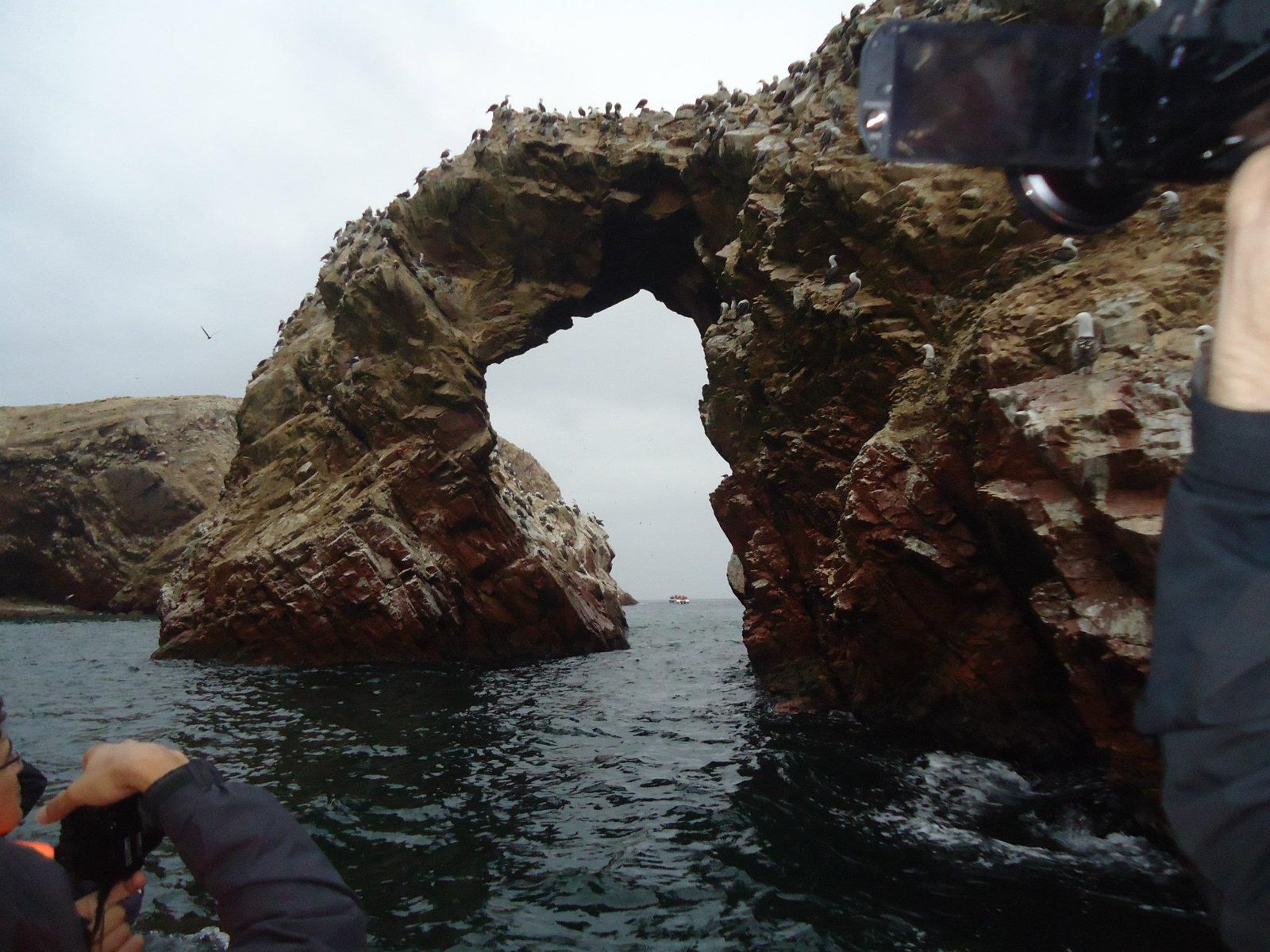
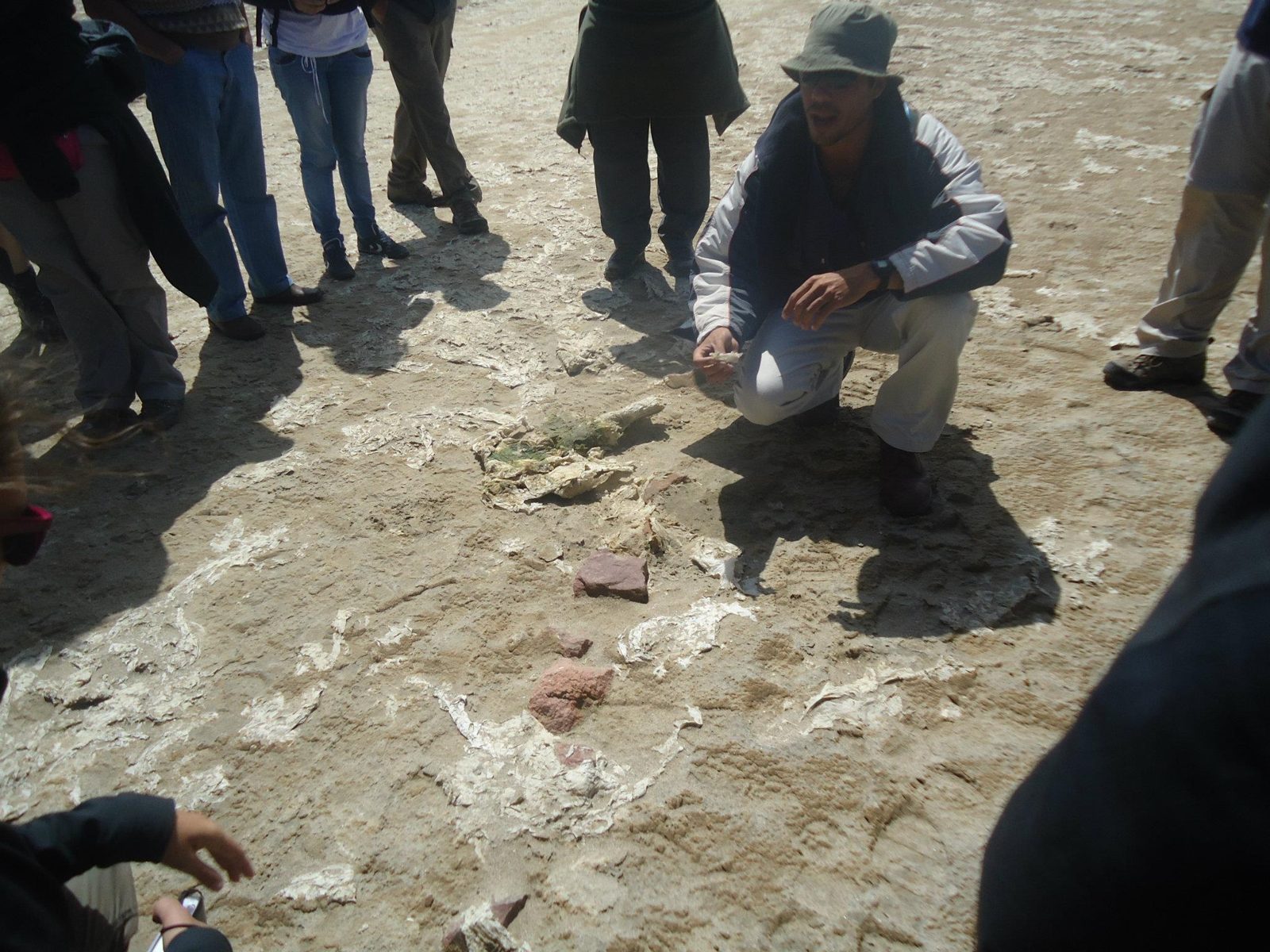
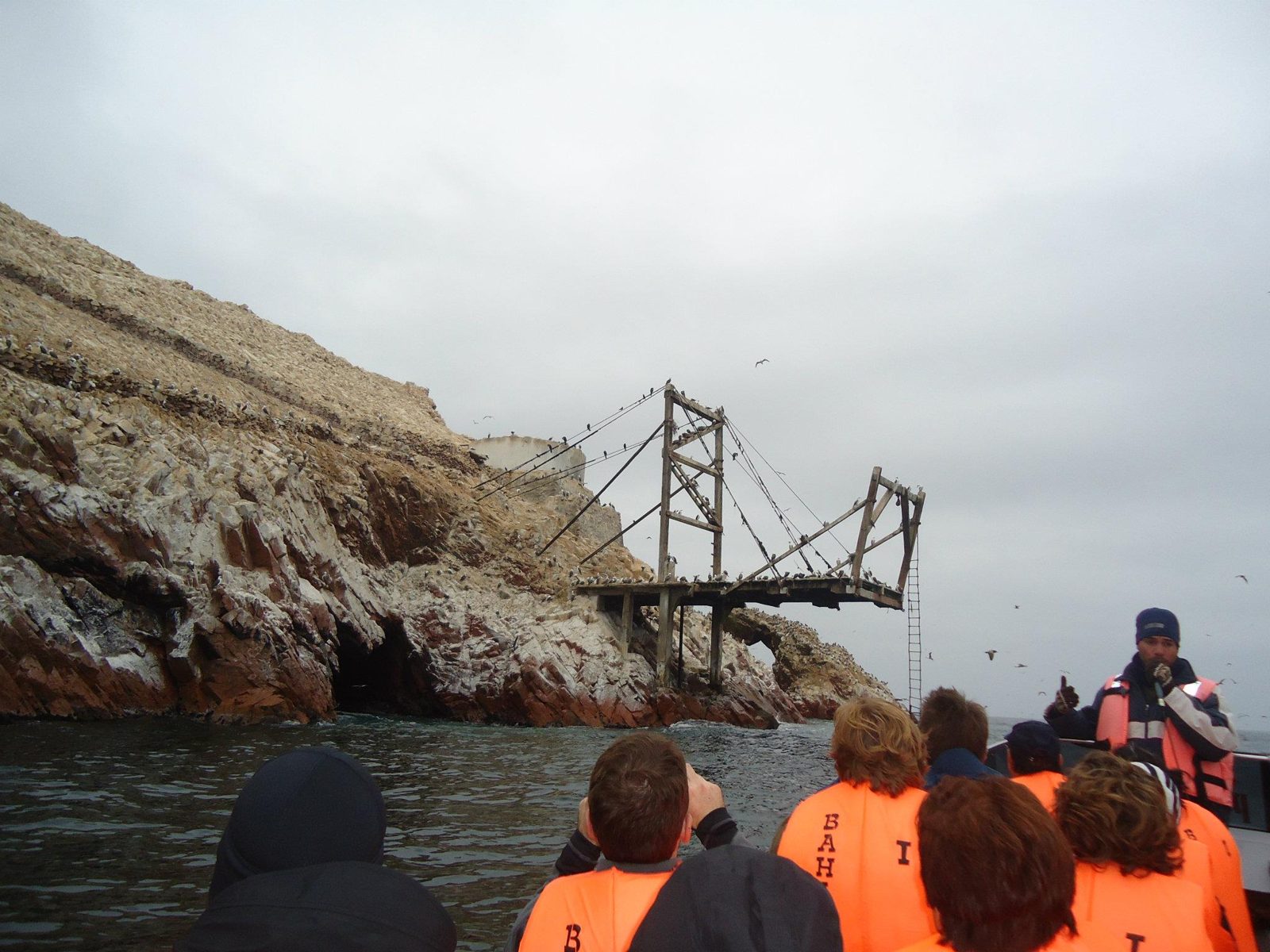
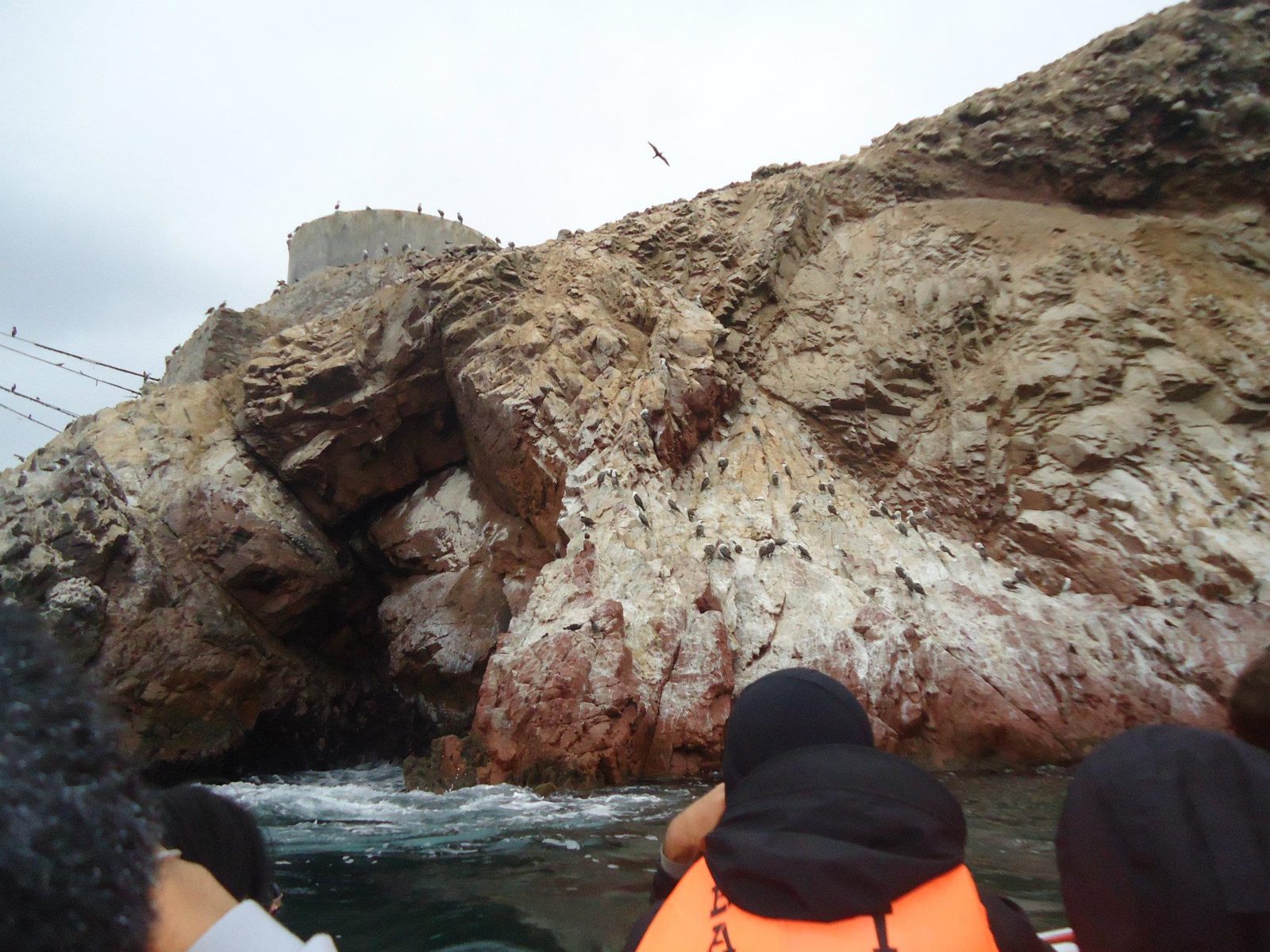
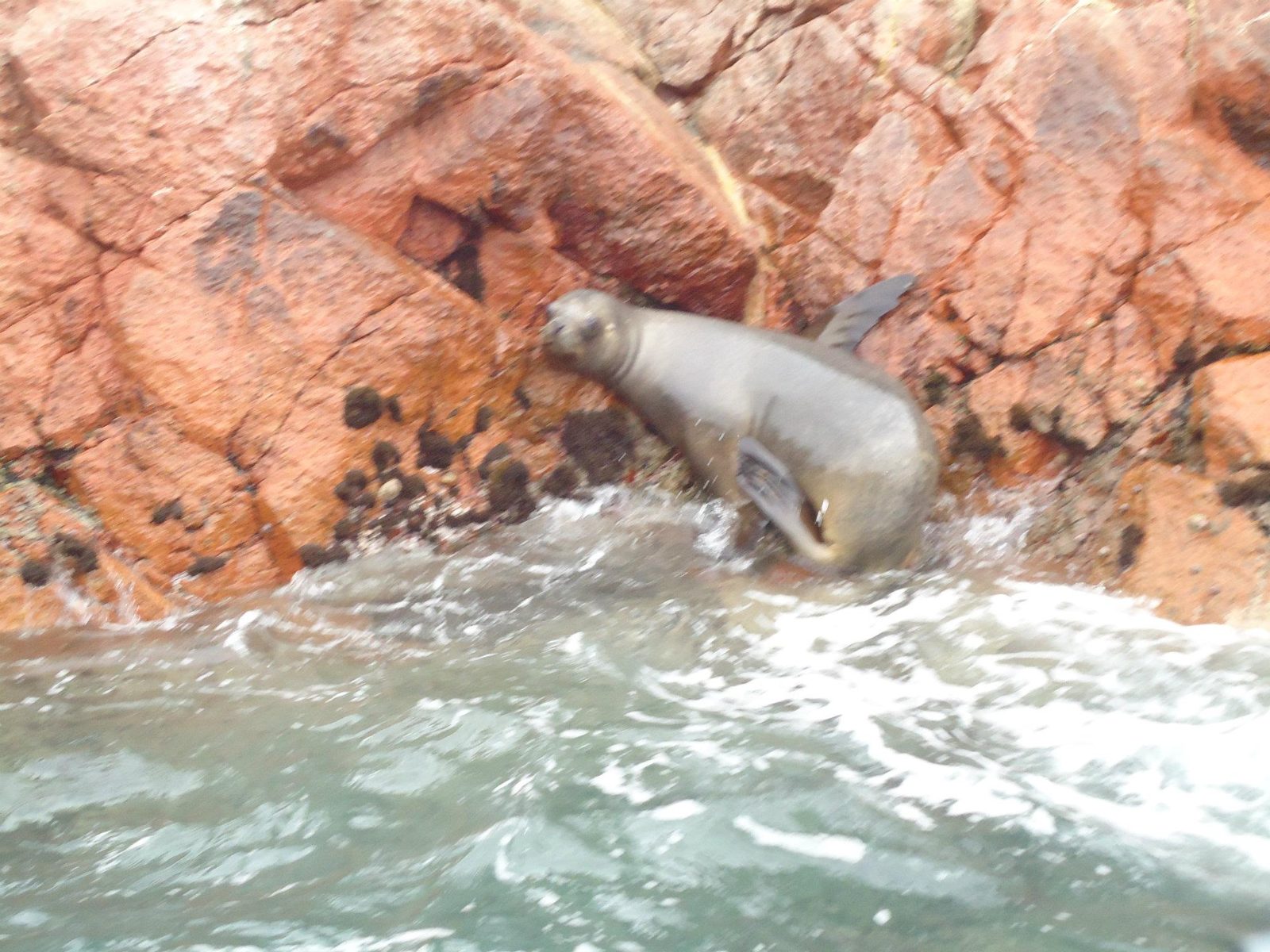
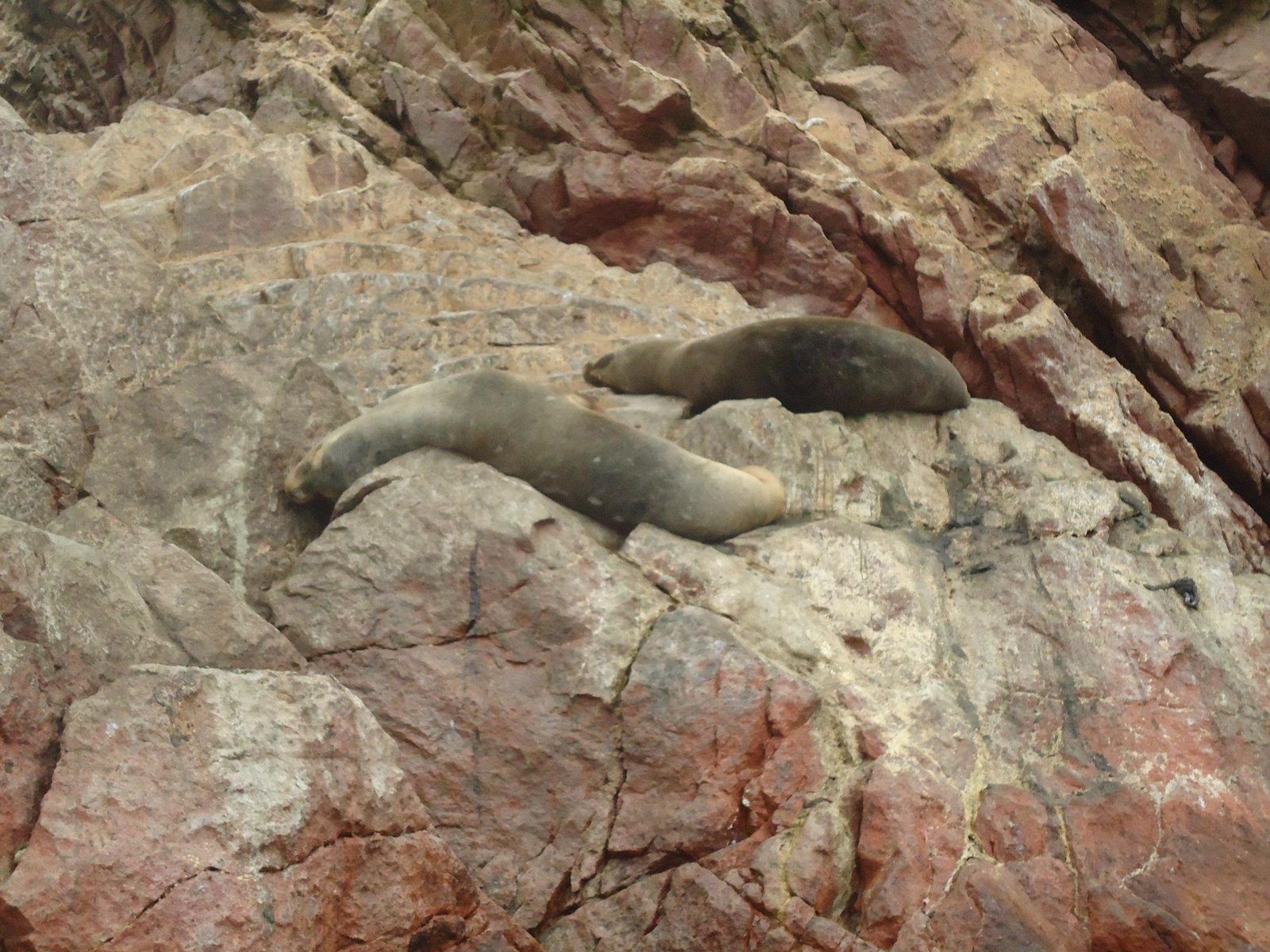
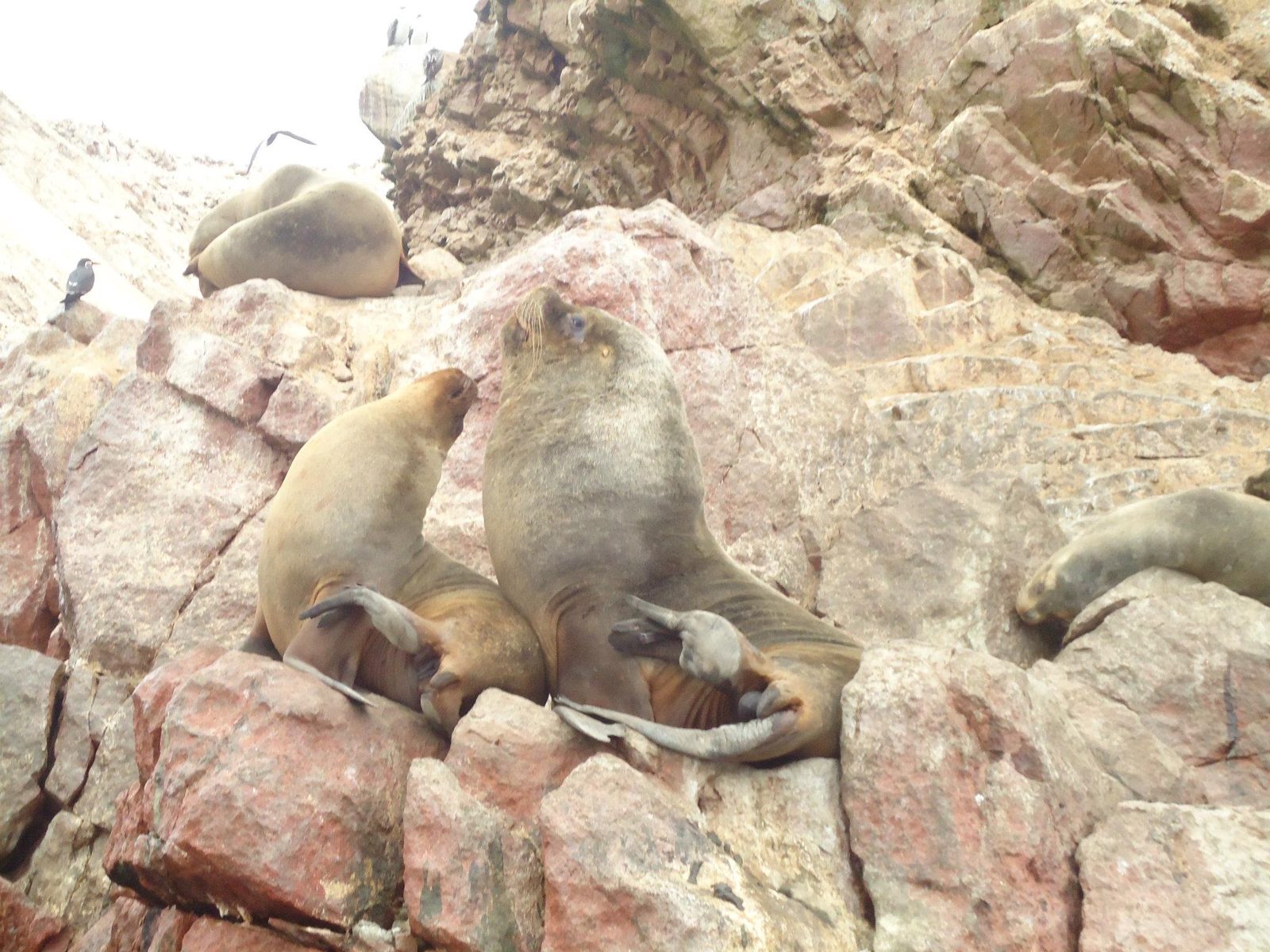
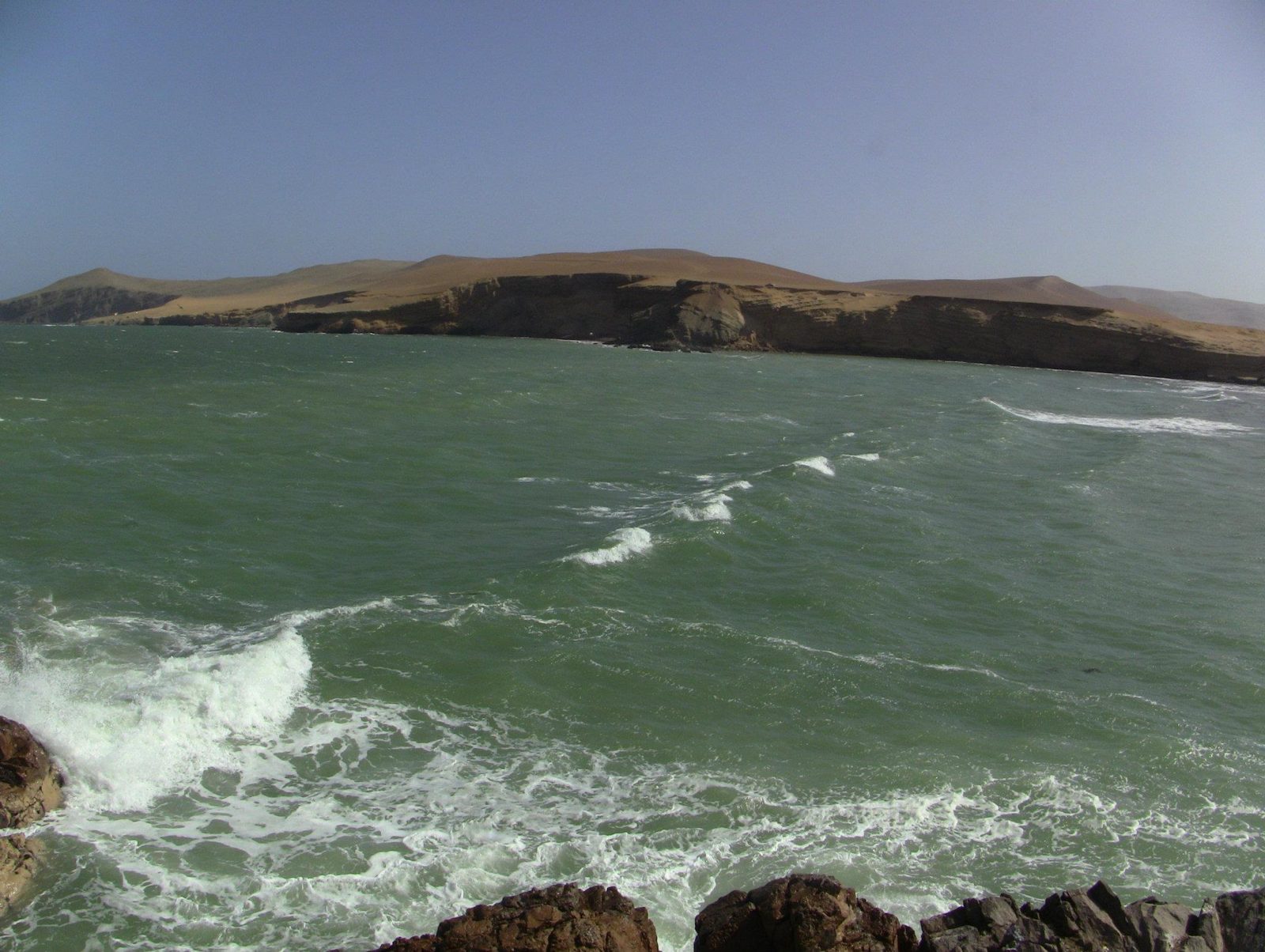
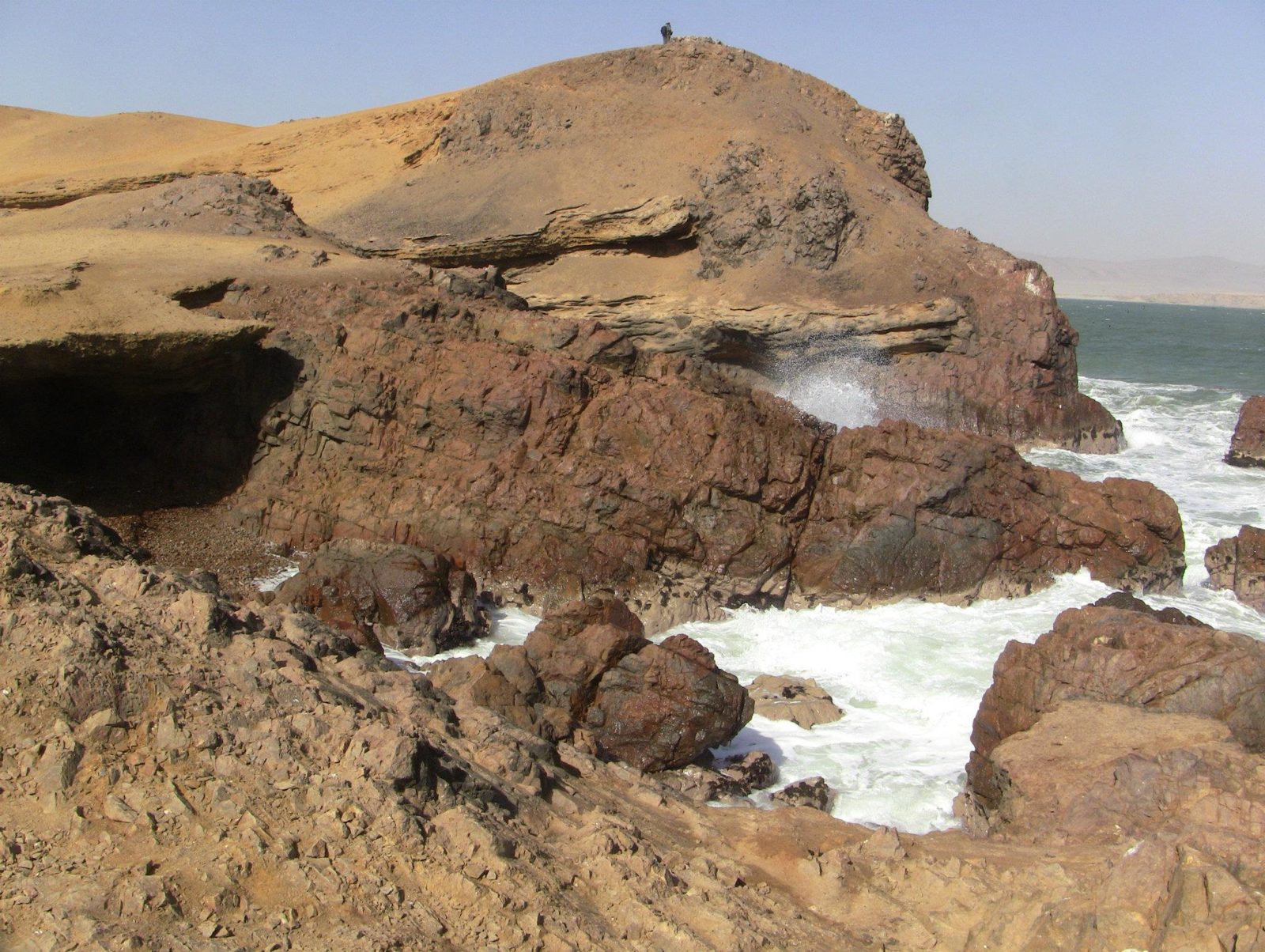
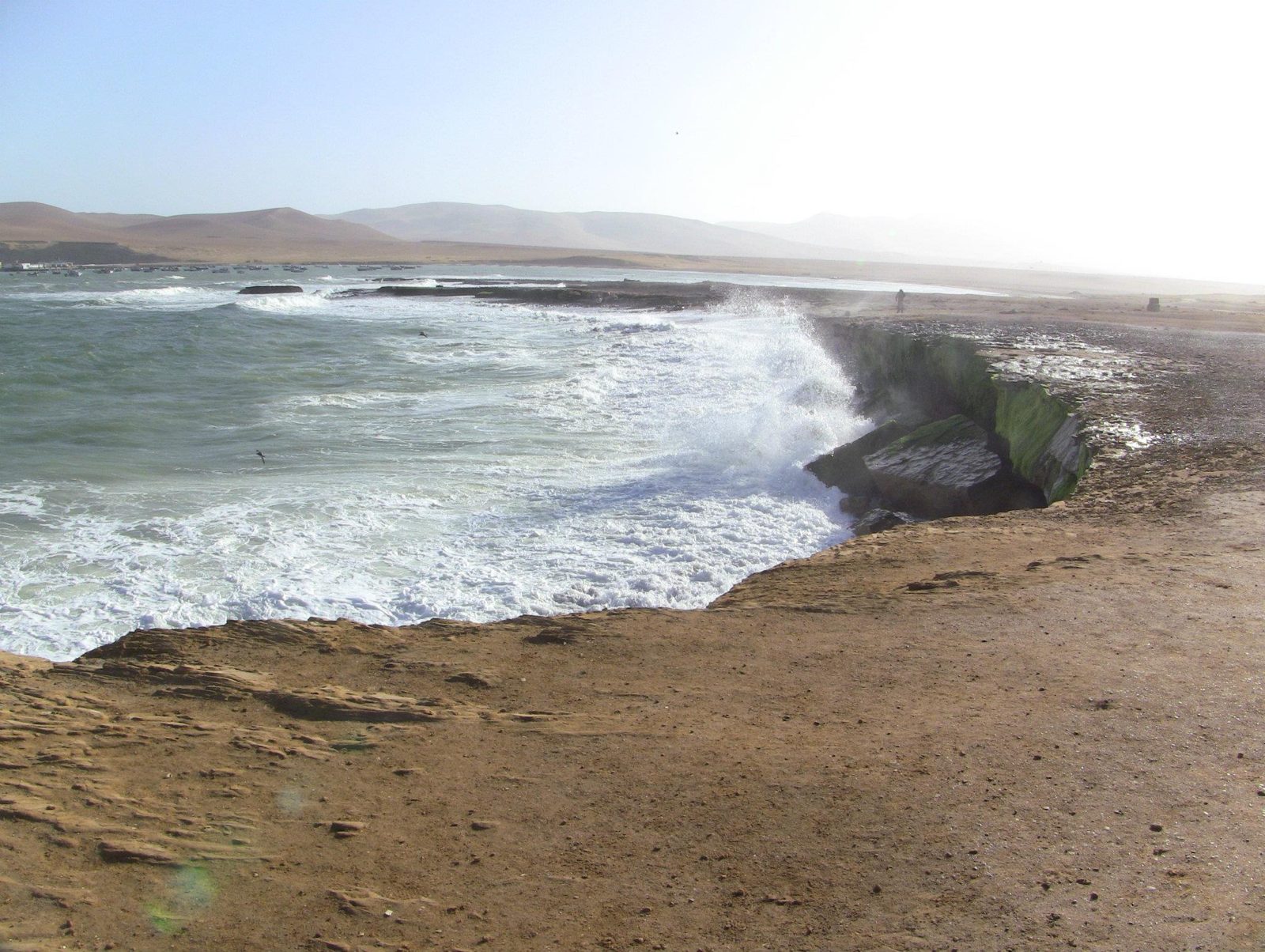
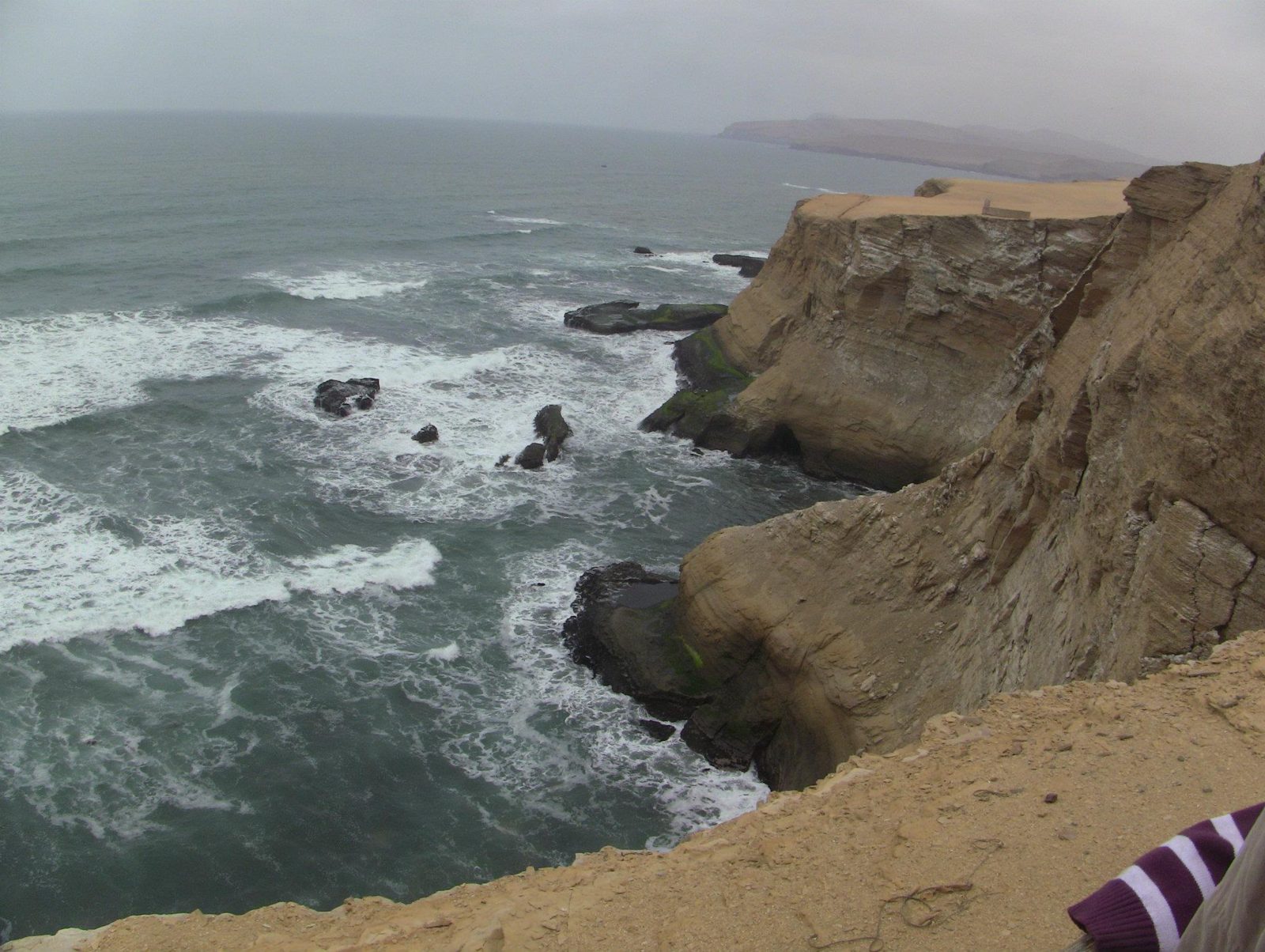
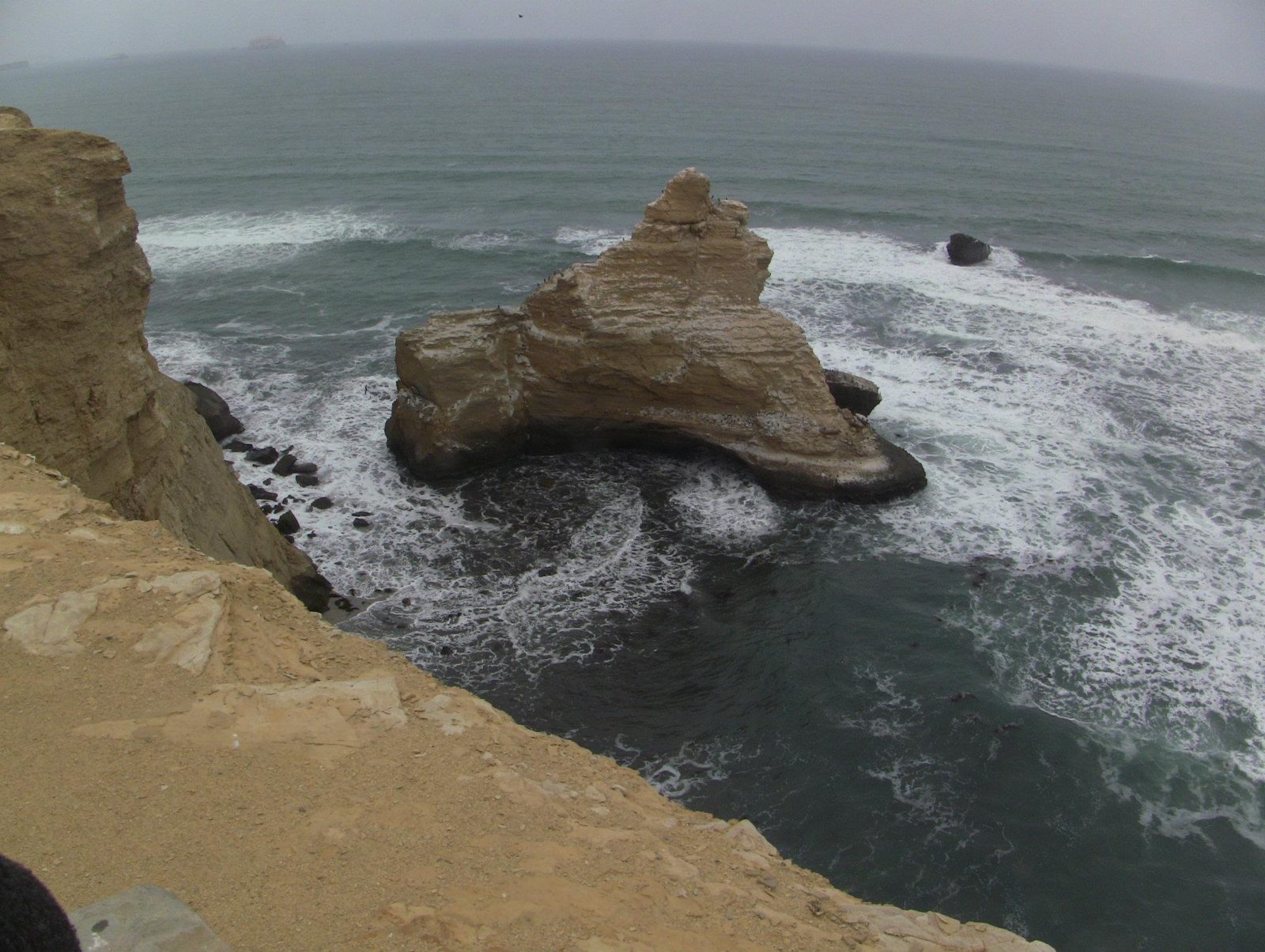
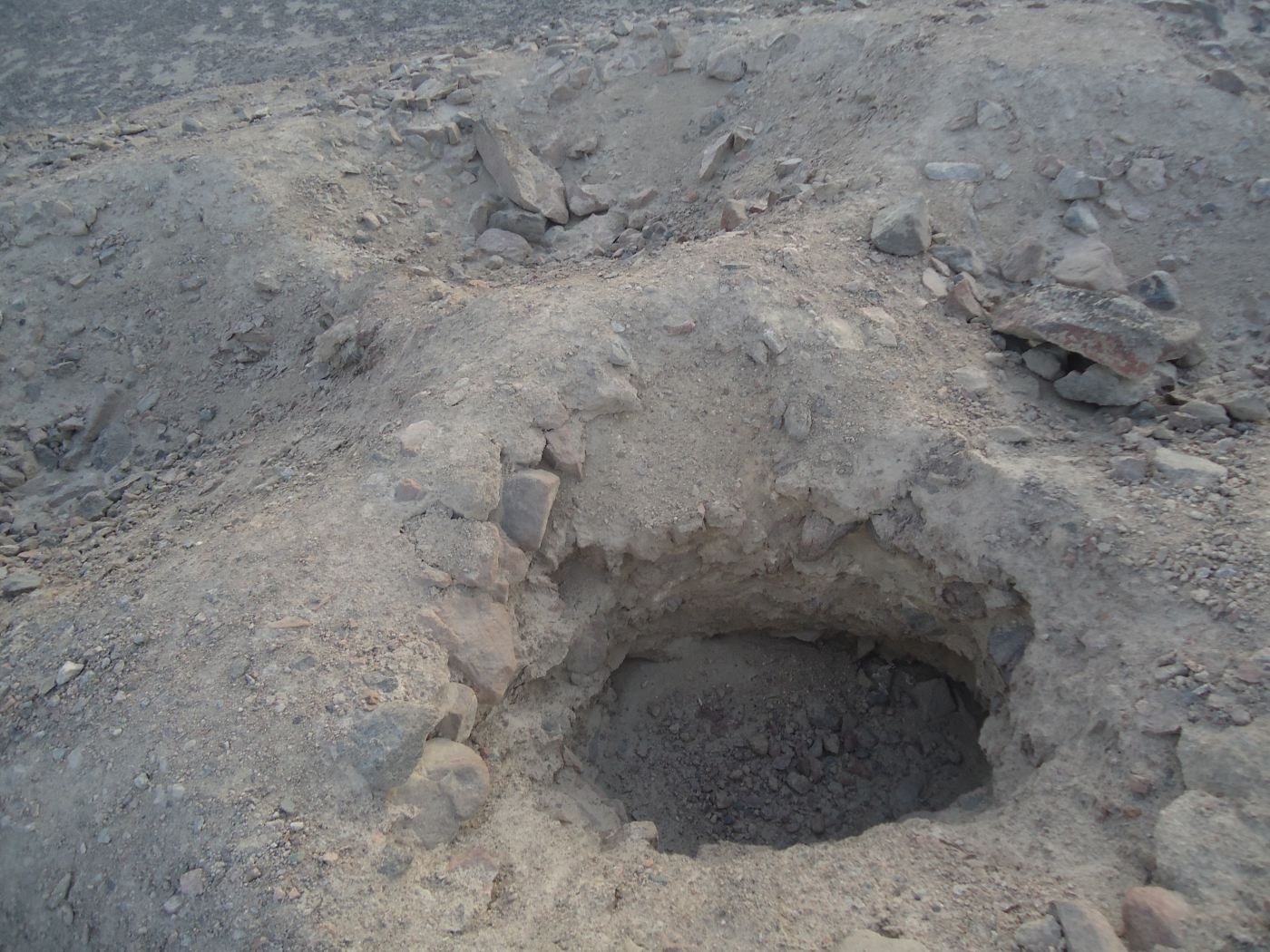
On the Paracas peninsula the desert ends straight in a cold sea full of life.
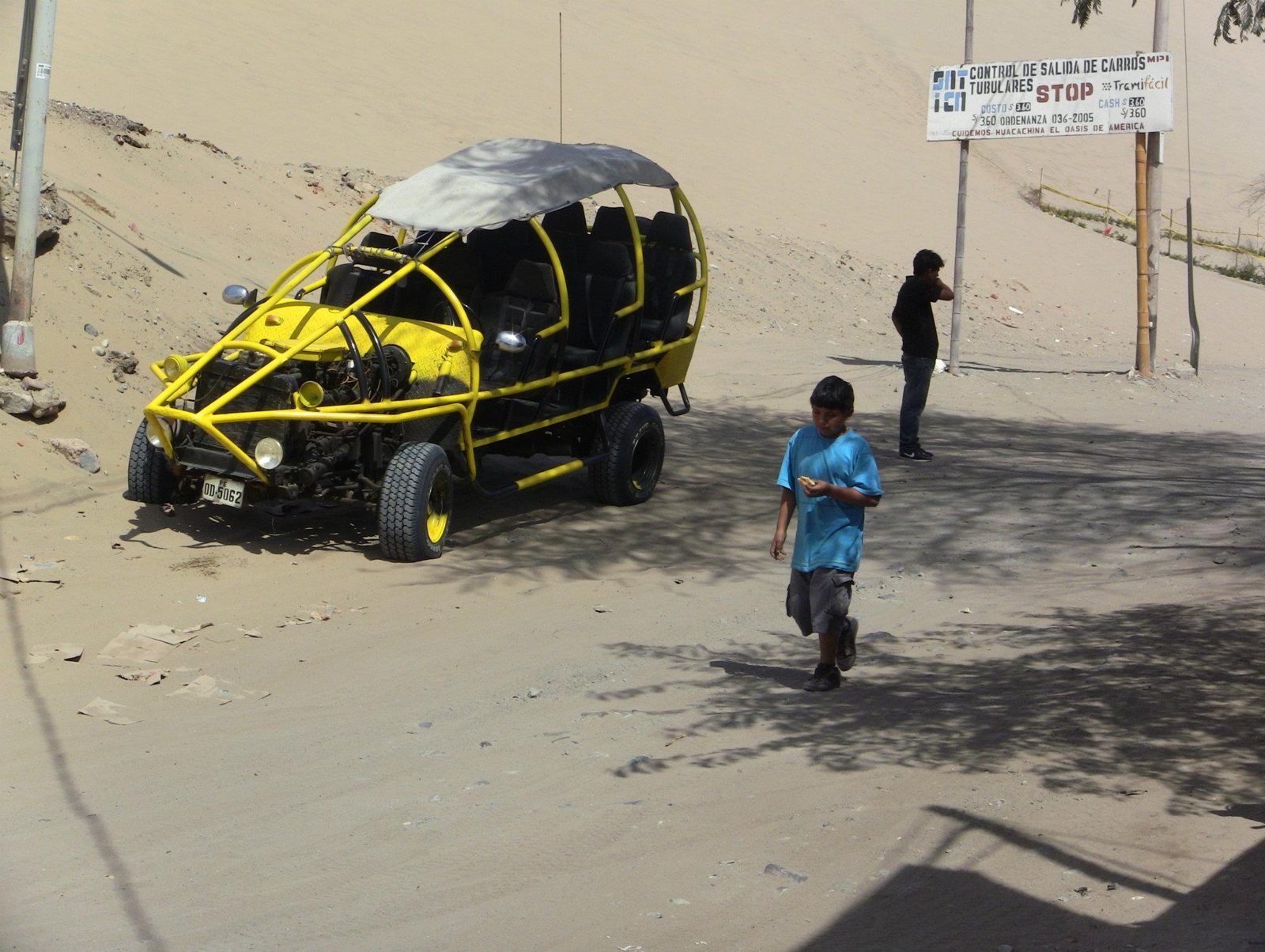
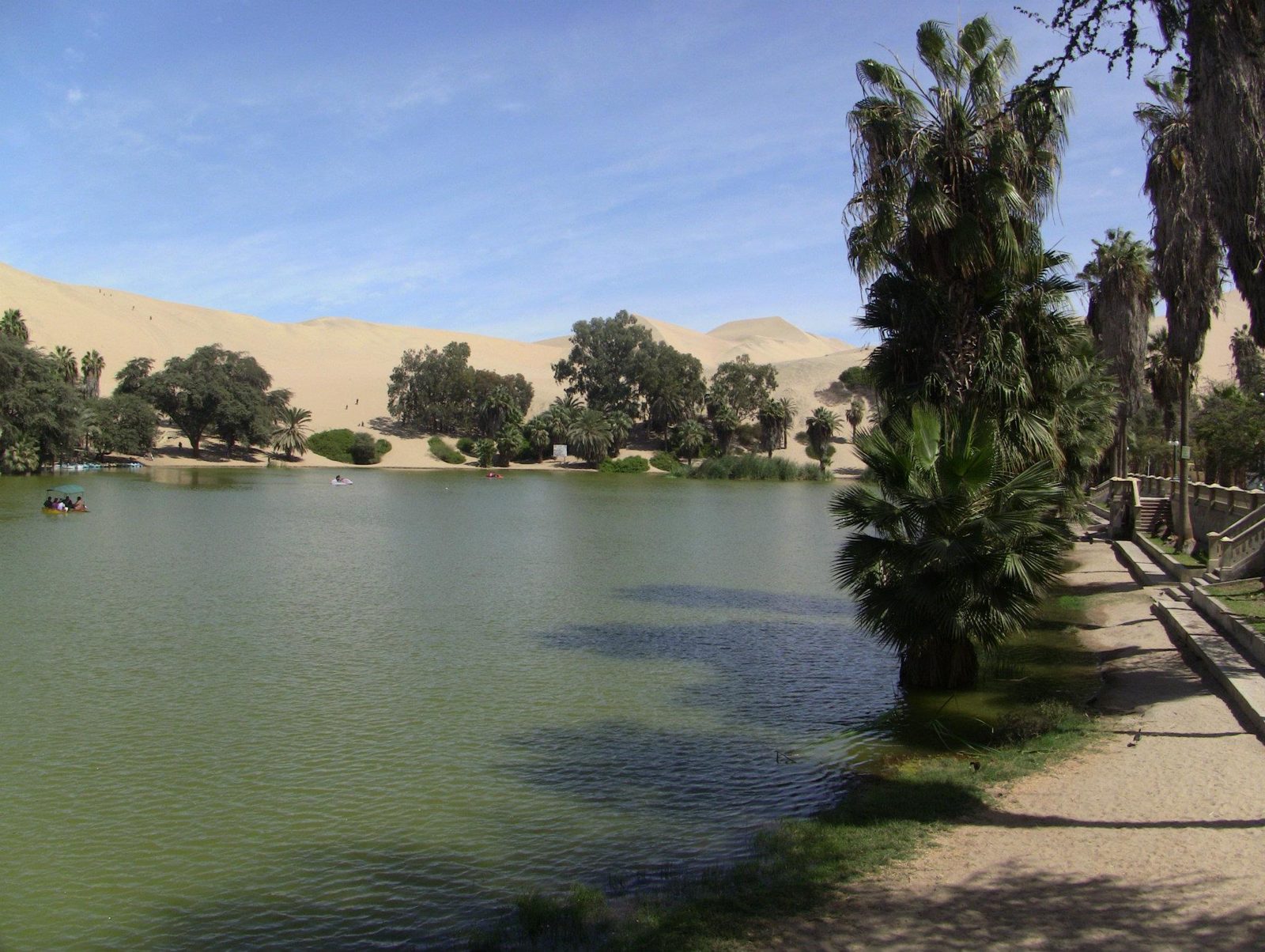
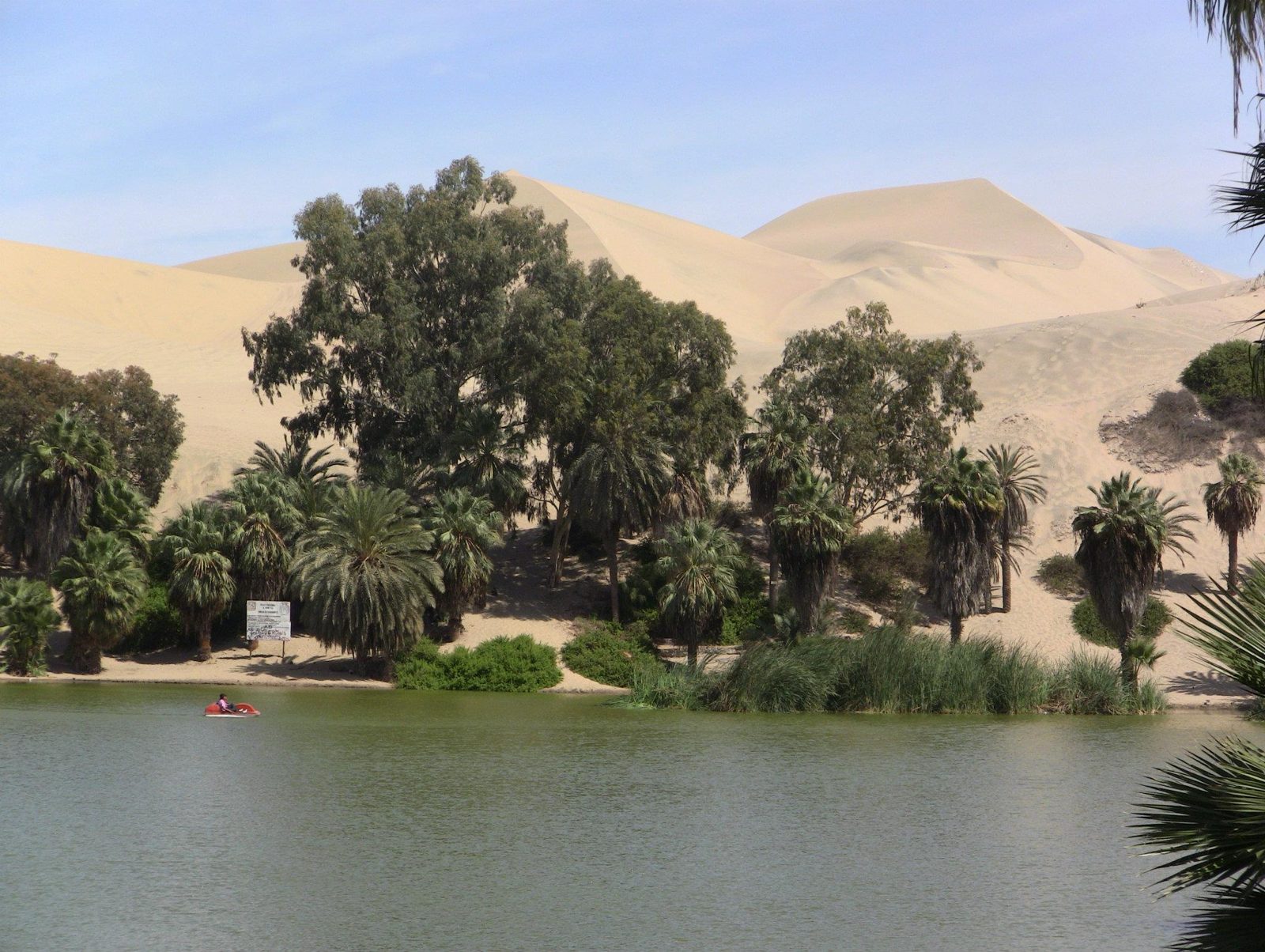
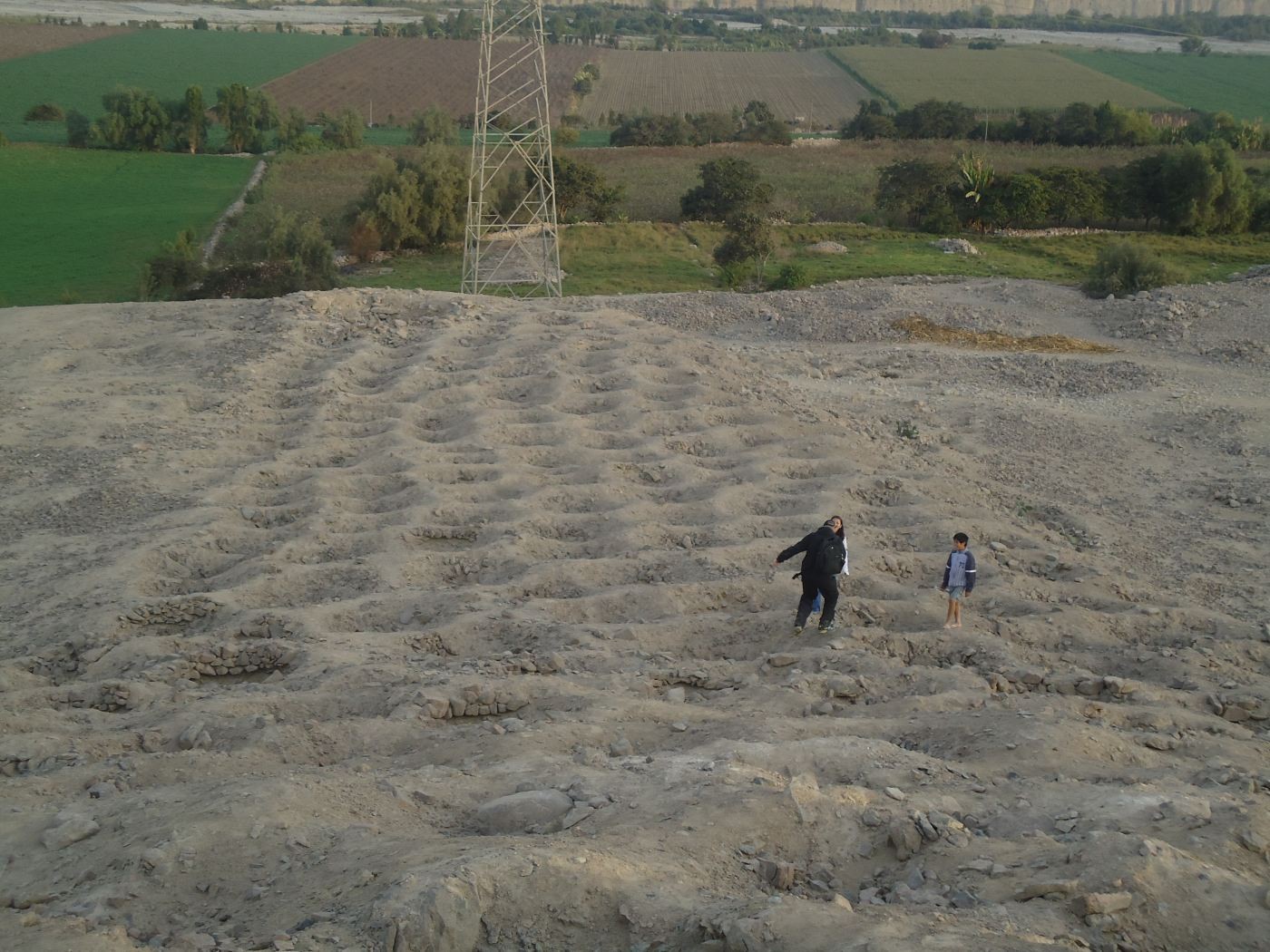
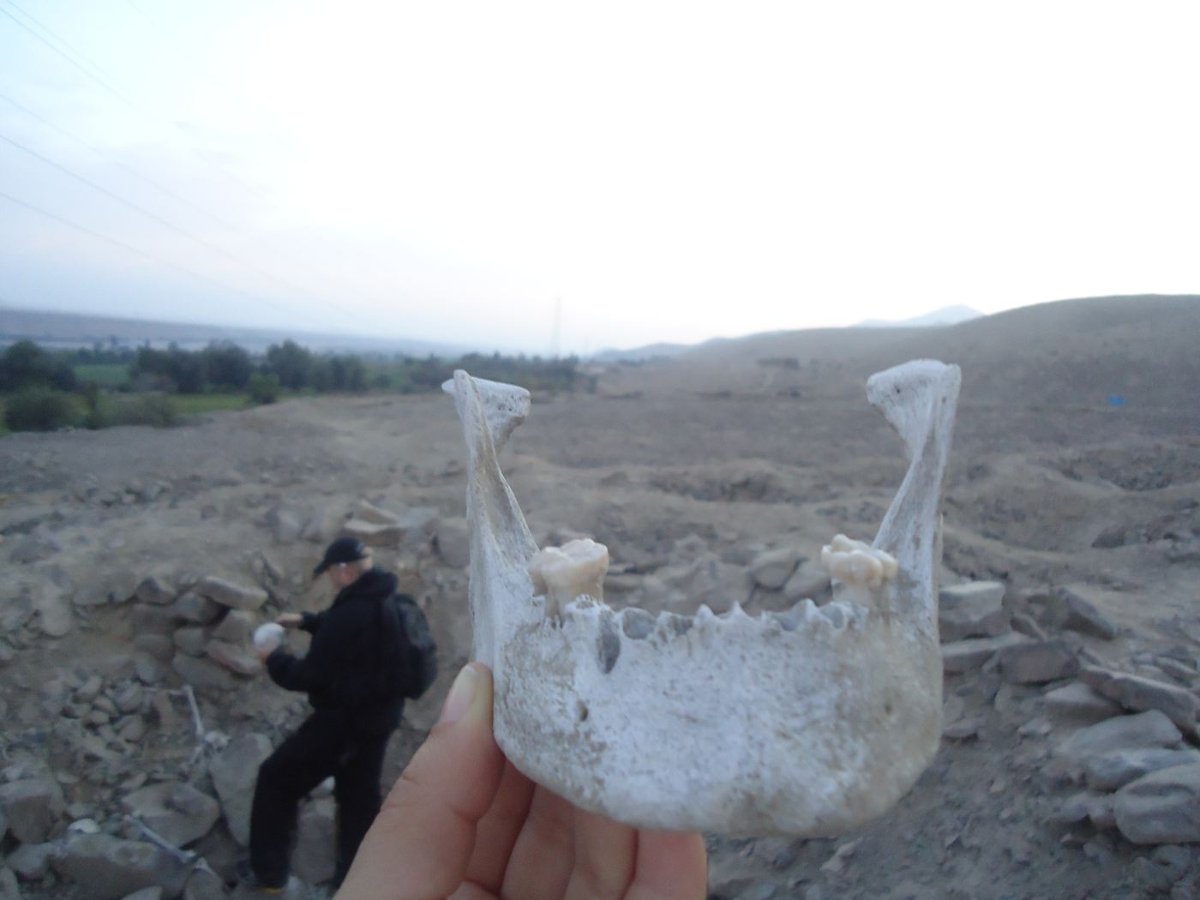
The peninsula gives its name to the Paracas culture, known for its fine textiles. Julio C. Tello excavated the Wari Kayan cemetery on the north slope of Cerro Colorado in 1927–28 (arqueologia-paracas.net). Of 159 people studied from the Paracas Cavernas tombs at Cerro Colorado, 98 per cent had a skull shaped in childhood (Gómez-Mejía et al. 2022). Inland, the Huacachina oasis is ringed by large dunes.
Peer-reviewed DNA research has been published. Fehren-Schmitz et al. studied the remains of 218 people and found strong continuity between the Paracas and Nasca populations (Fehren-Schmitz et al. 2010). Population data do not tell the origin of an individual person. Jani's skull photos, the exhibition texts and the study samples are on the fact page What do the skulls tell?
Which would you see first: the birds of the Ballestas Islands or the dunes of Huacachina?
Site on the map: Paracas National Reserve · Islas Ballestas · Huacachina
Stonework theme: Who taught whom?A continuous story in stone, from Tiwanaku to colonial Cusco.