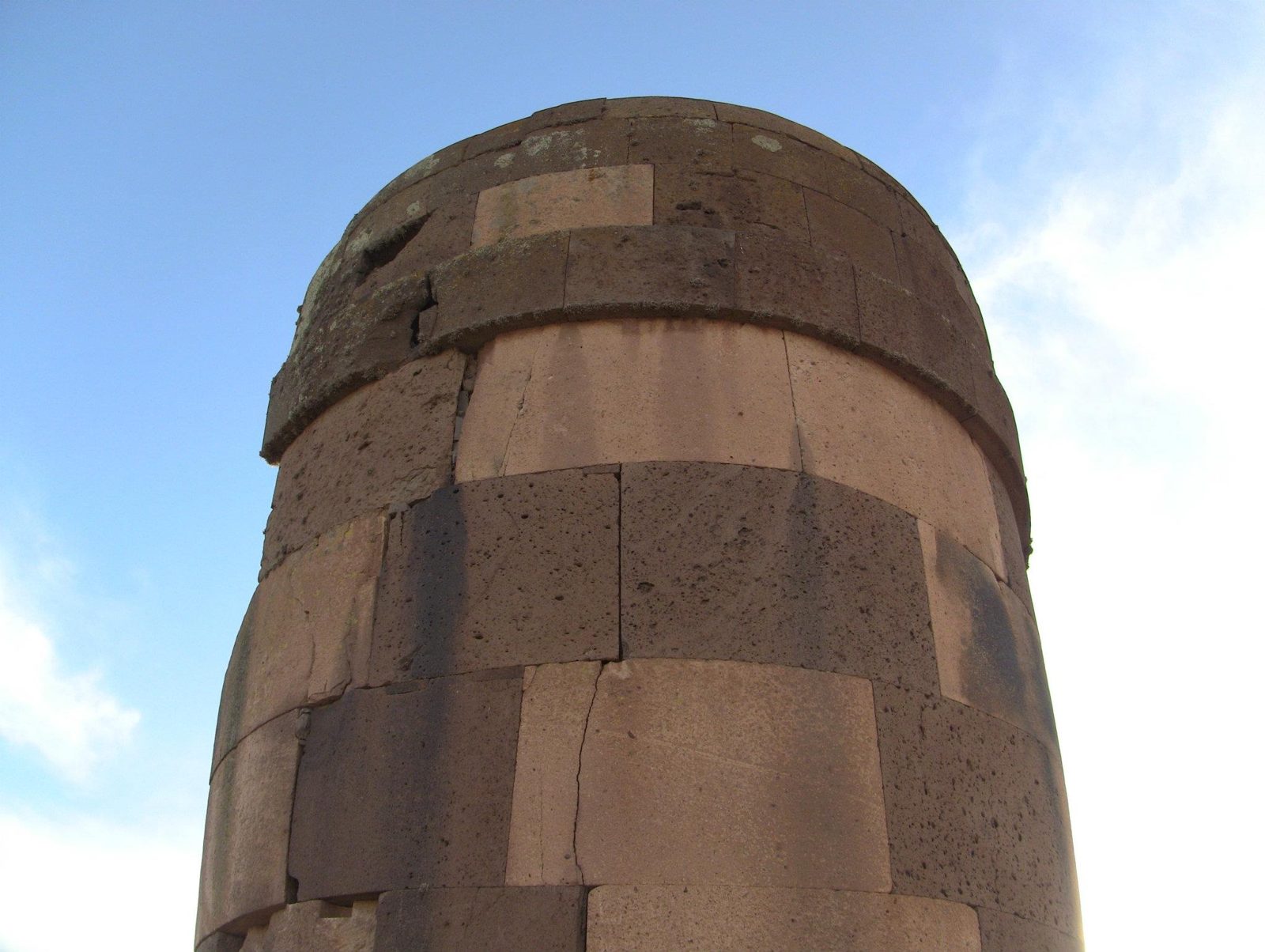
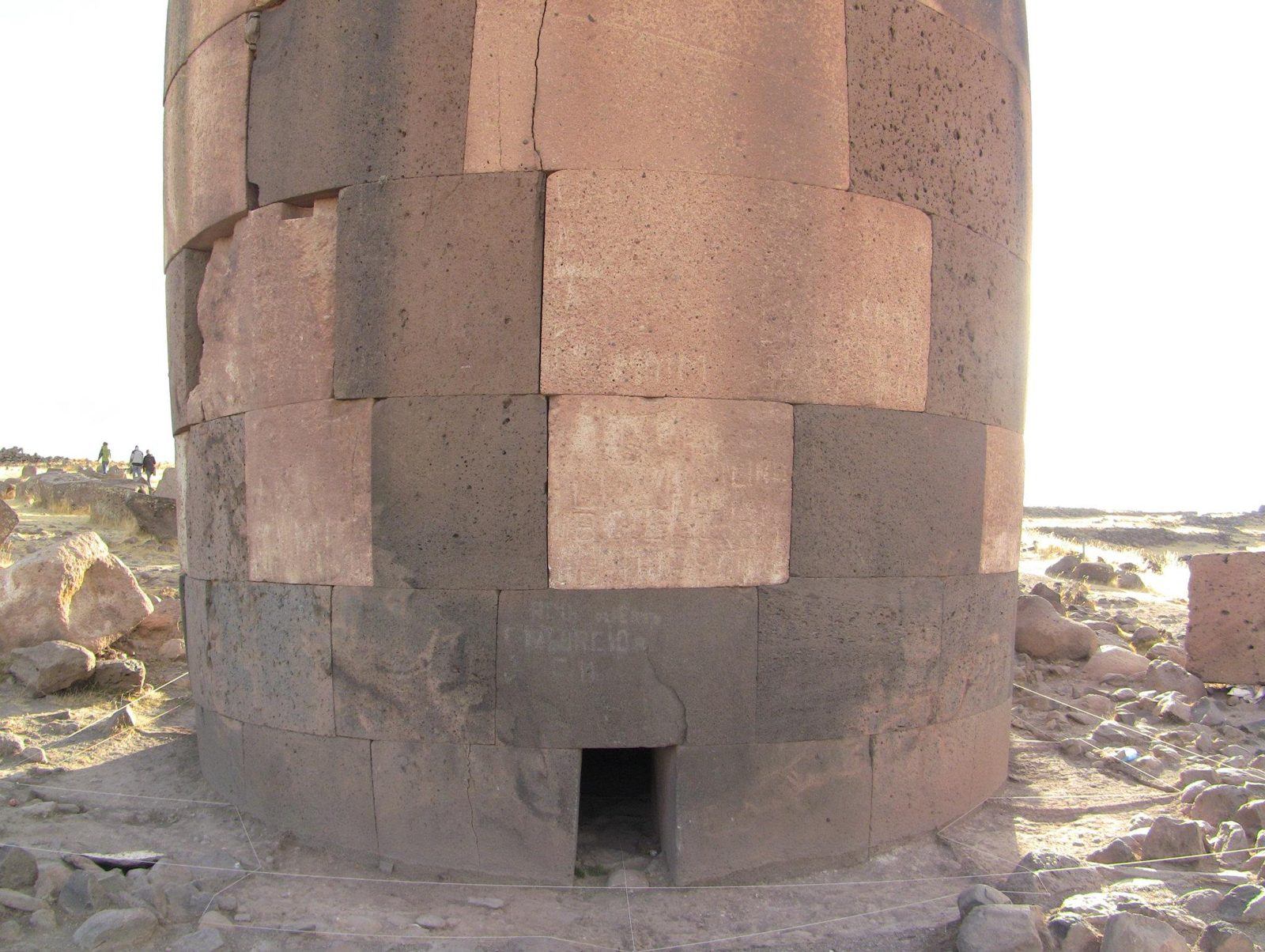
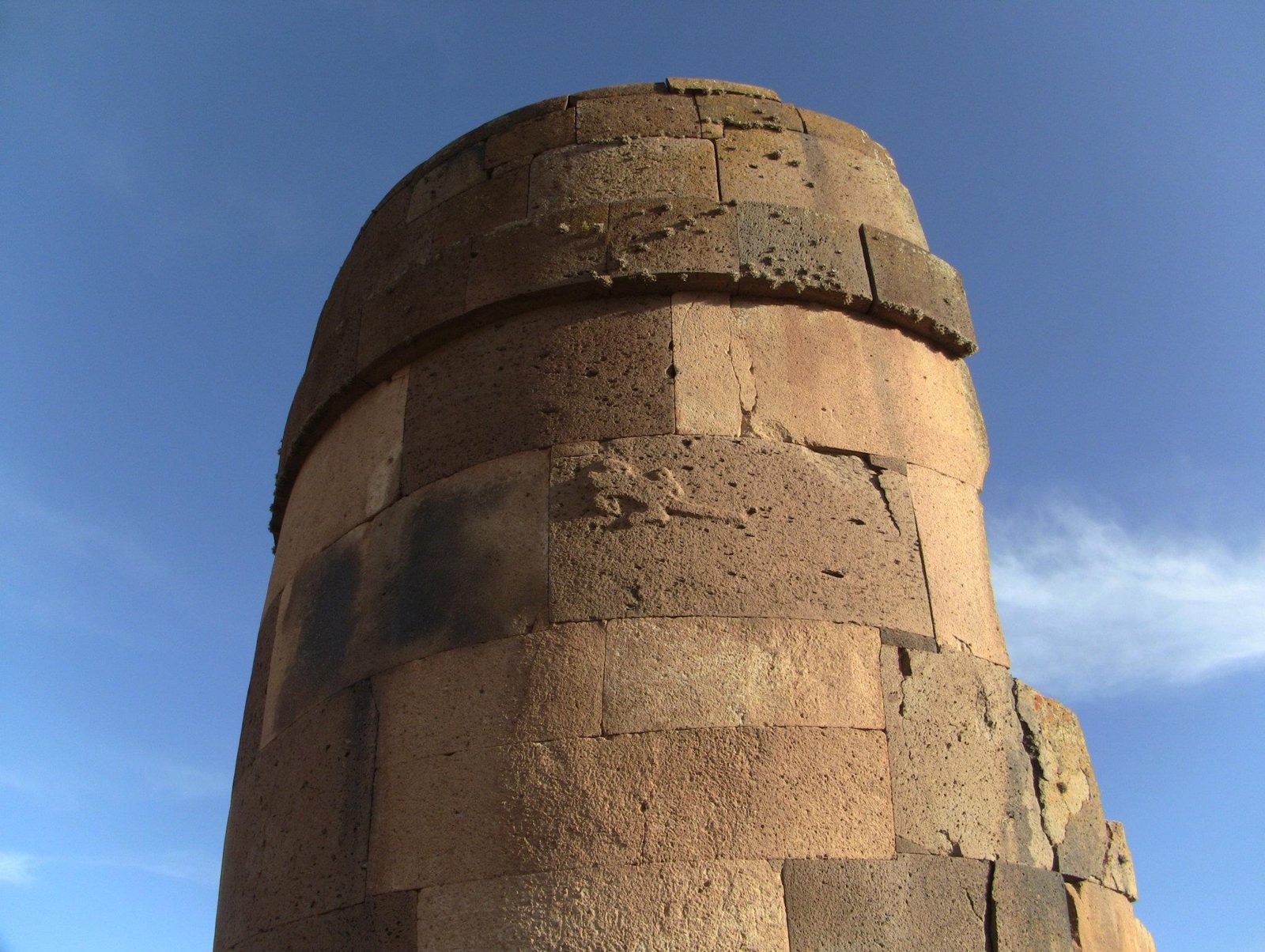
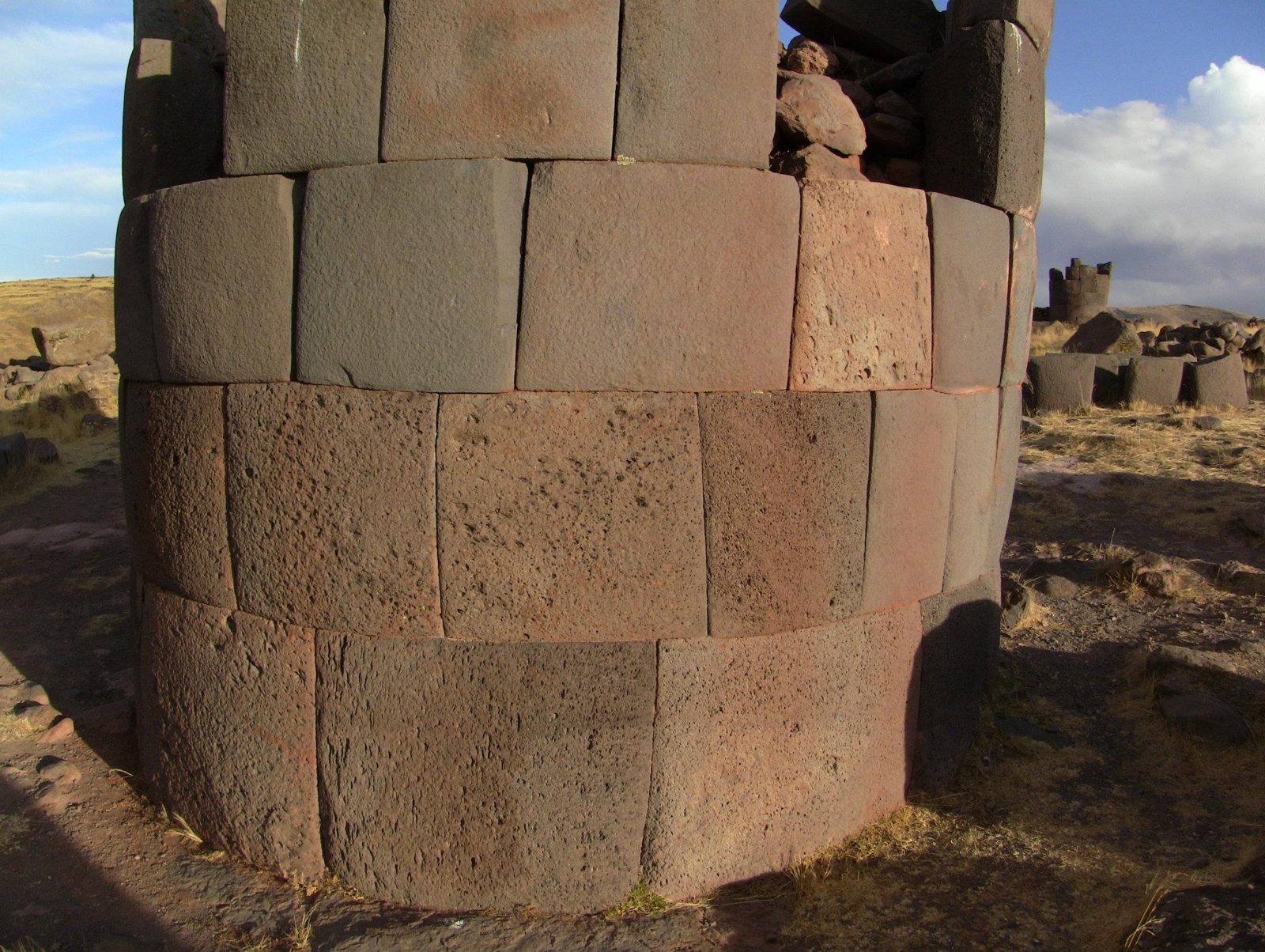
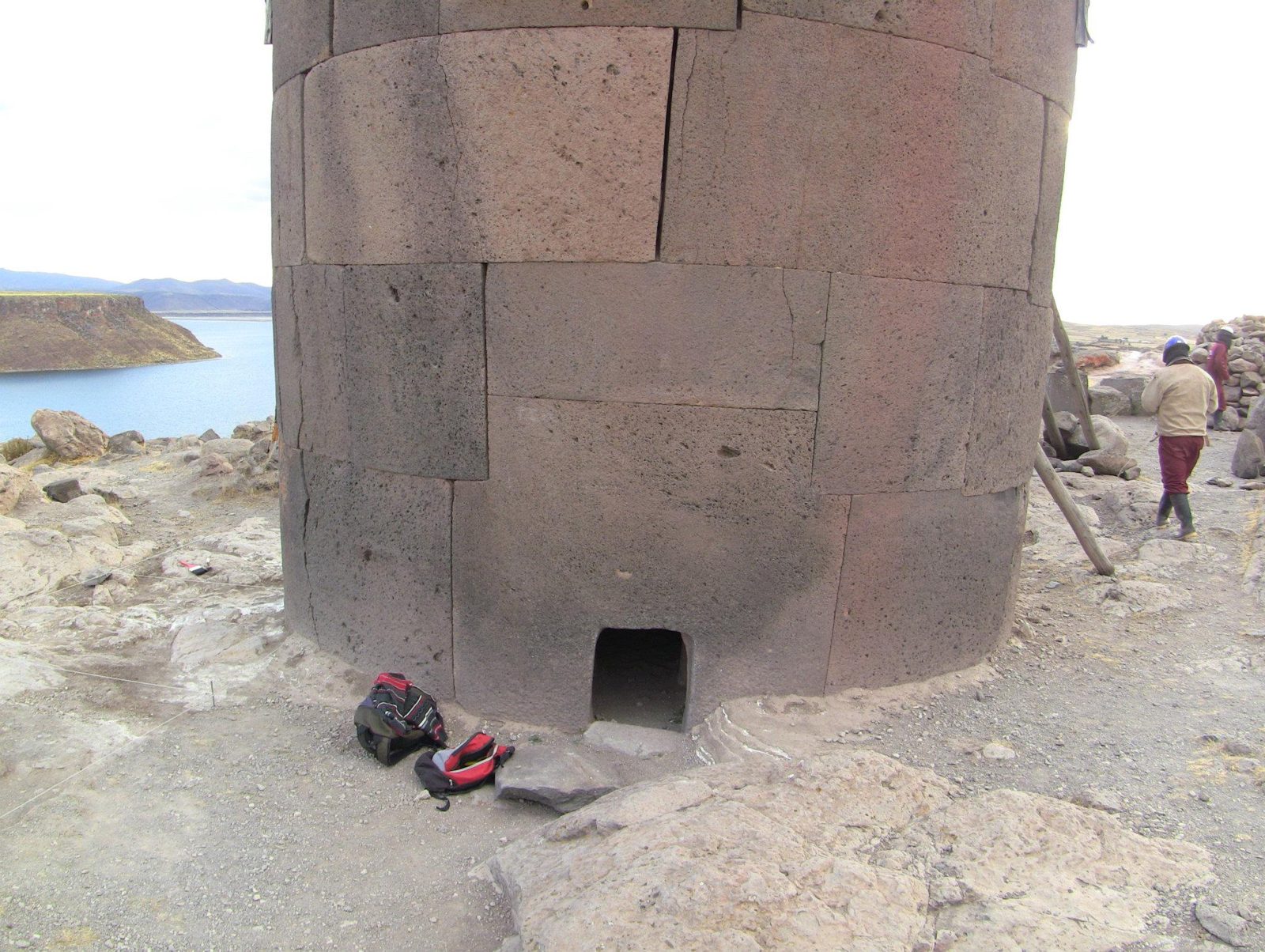
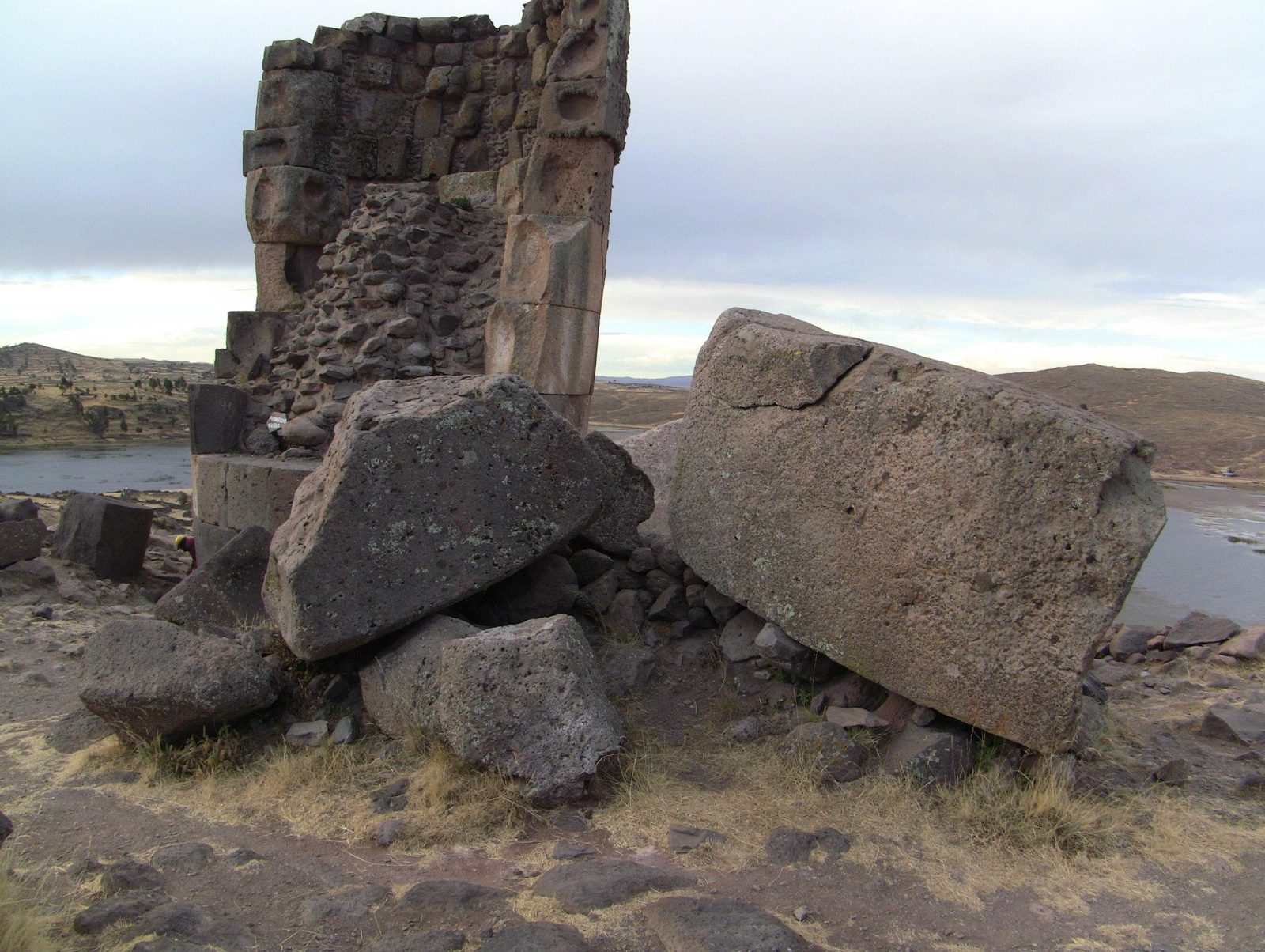
Why would anyone build a tower that is wider at the top than at the bottom?
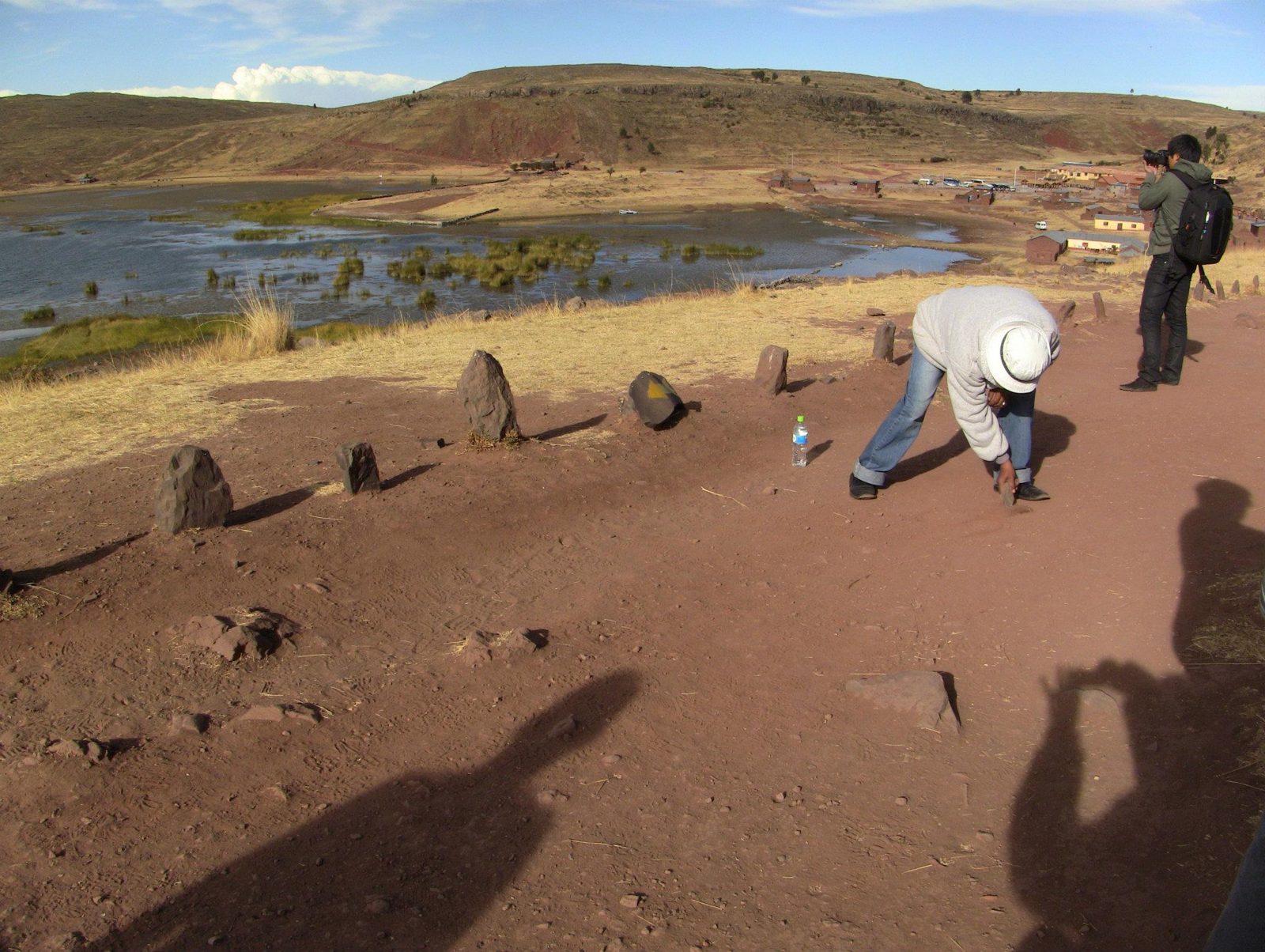
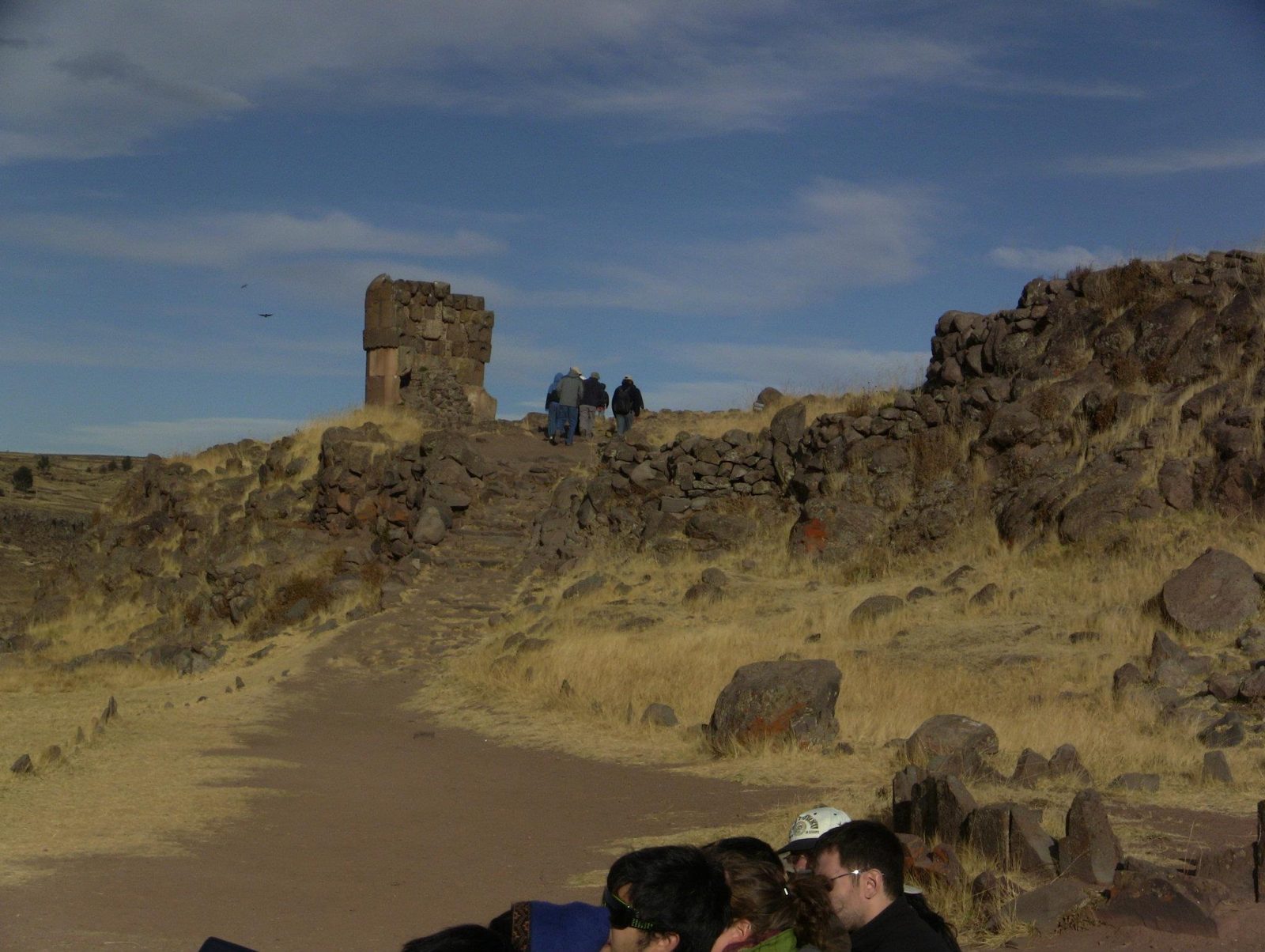
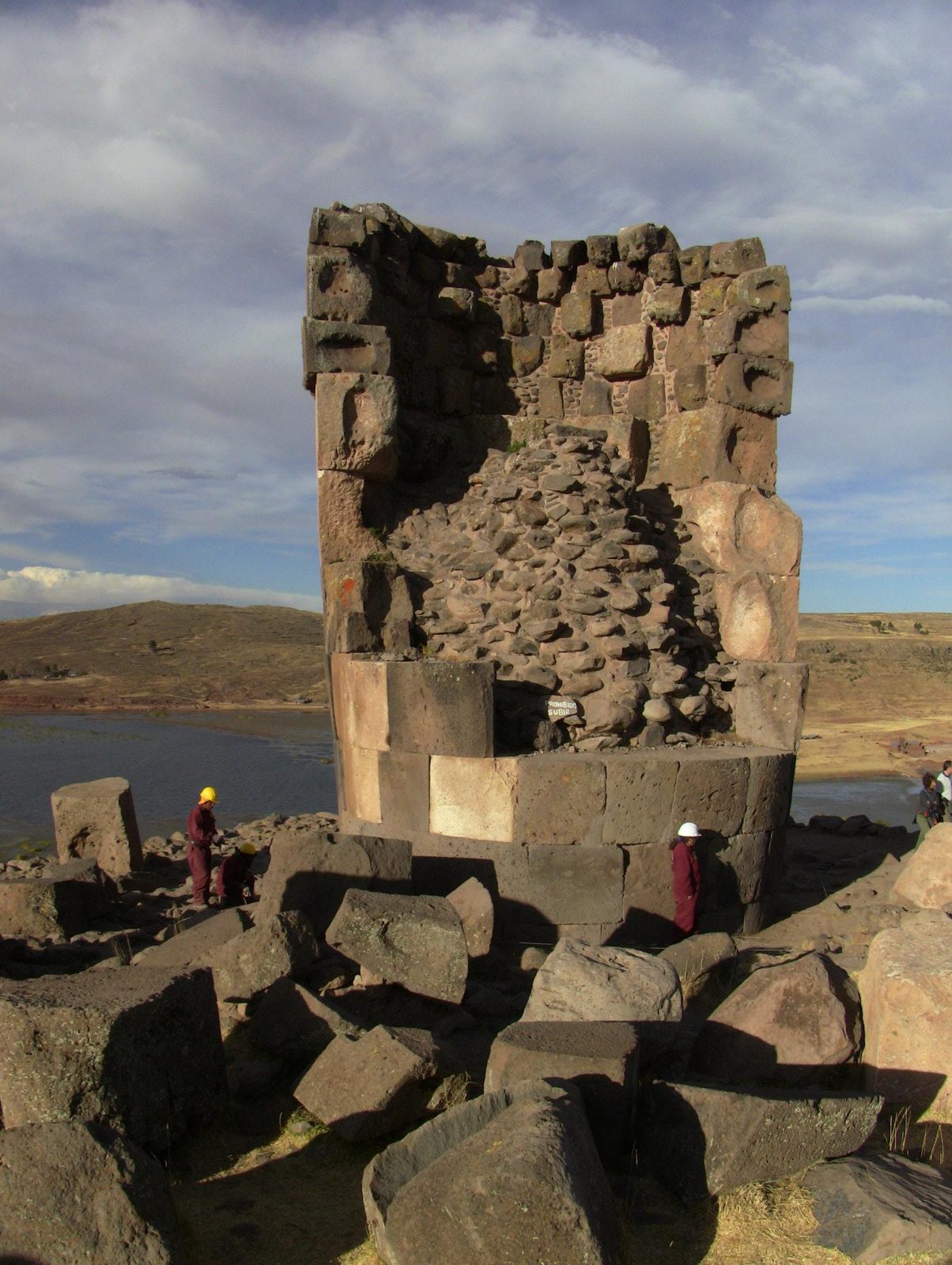
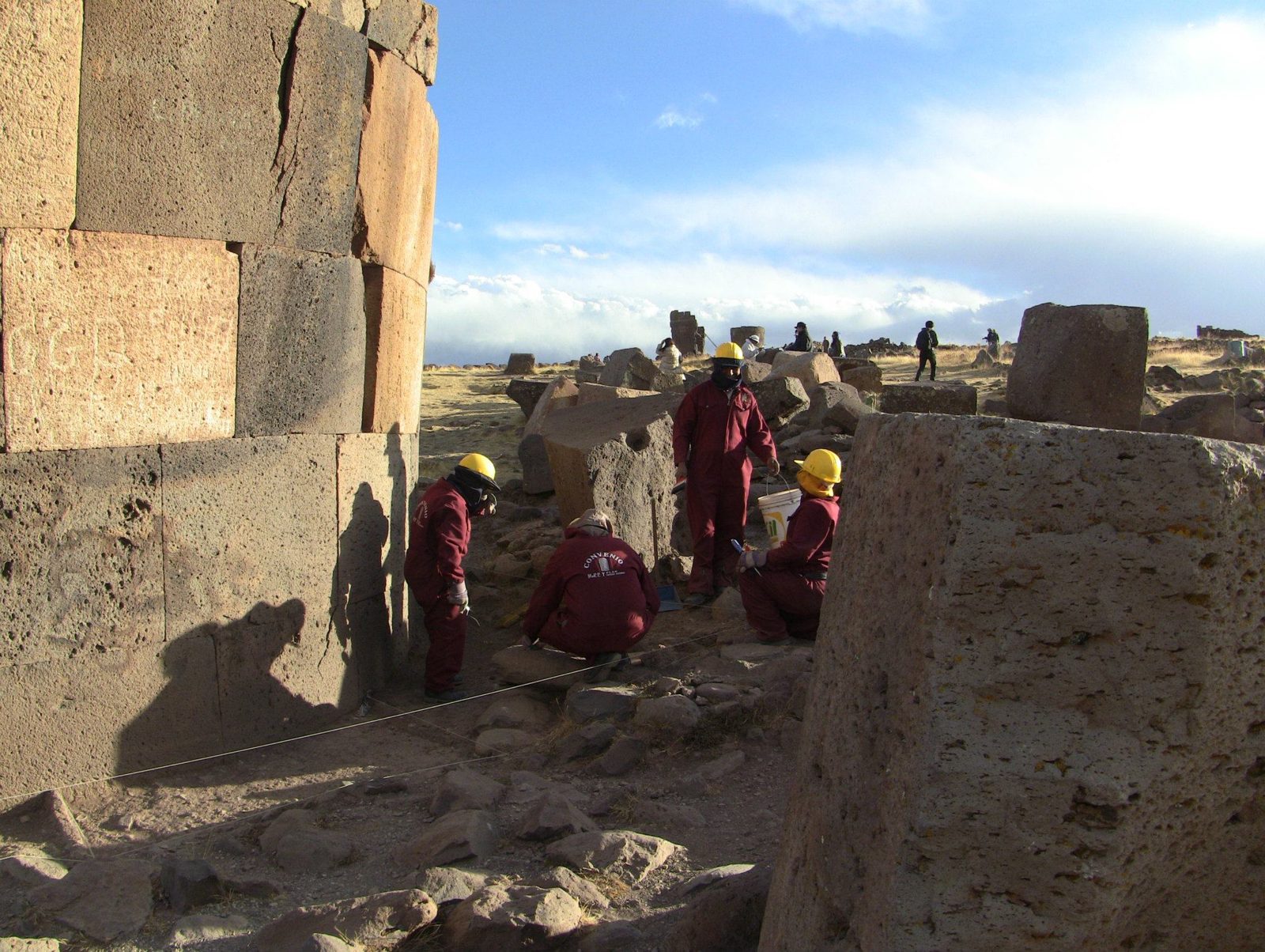
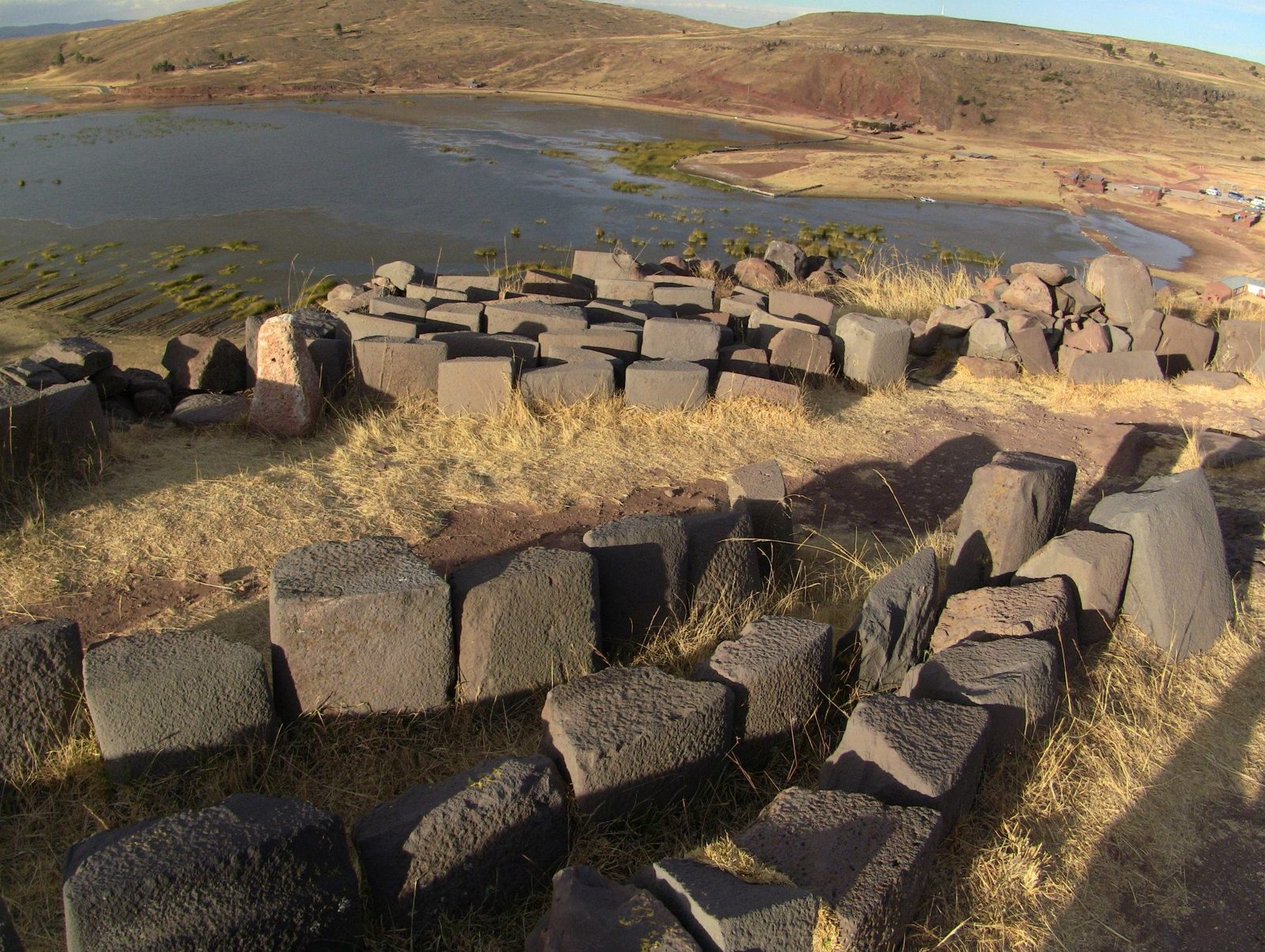
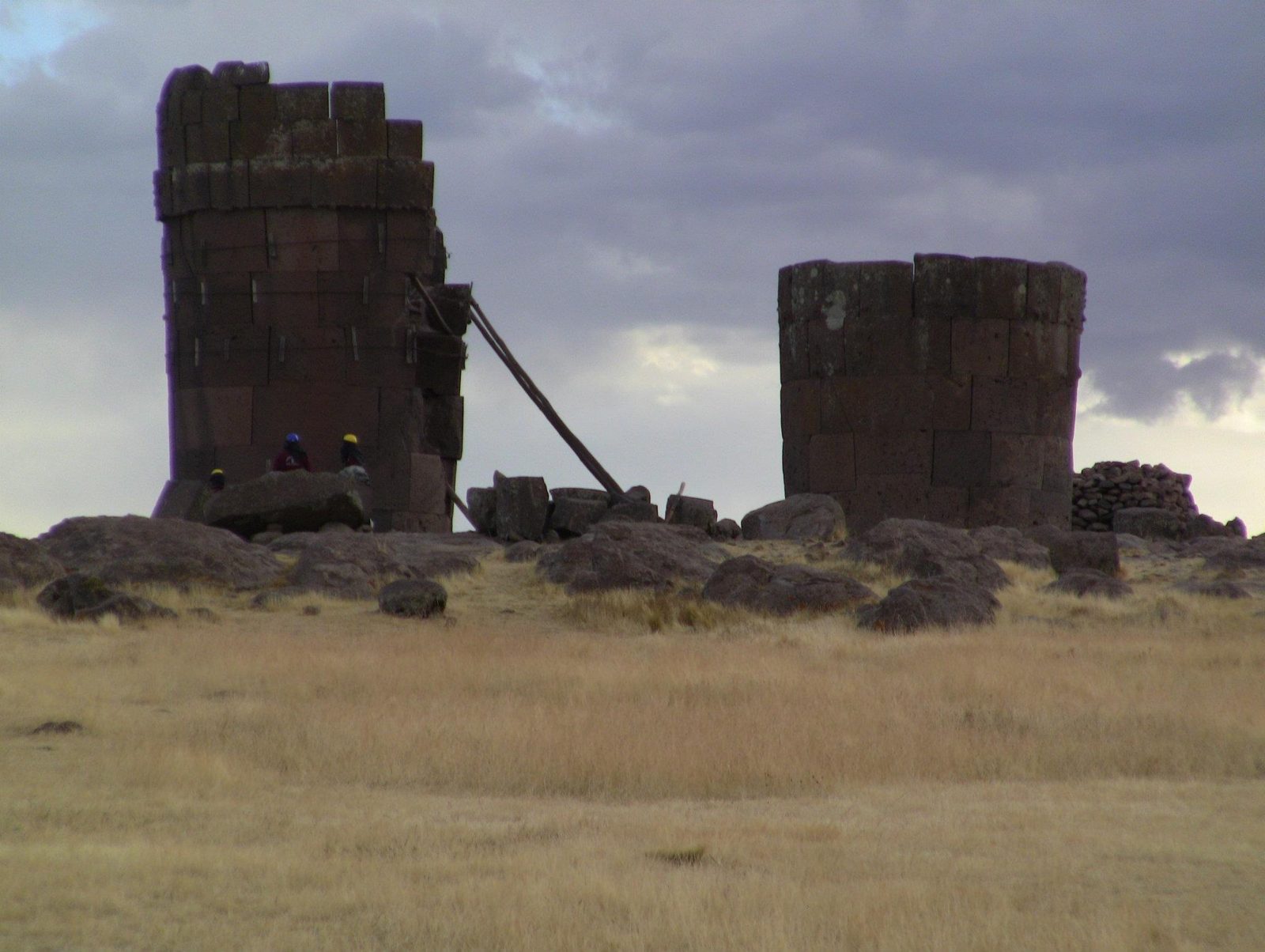
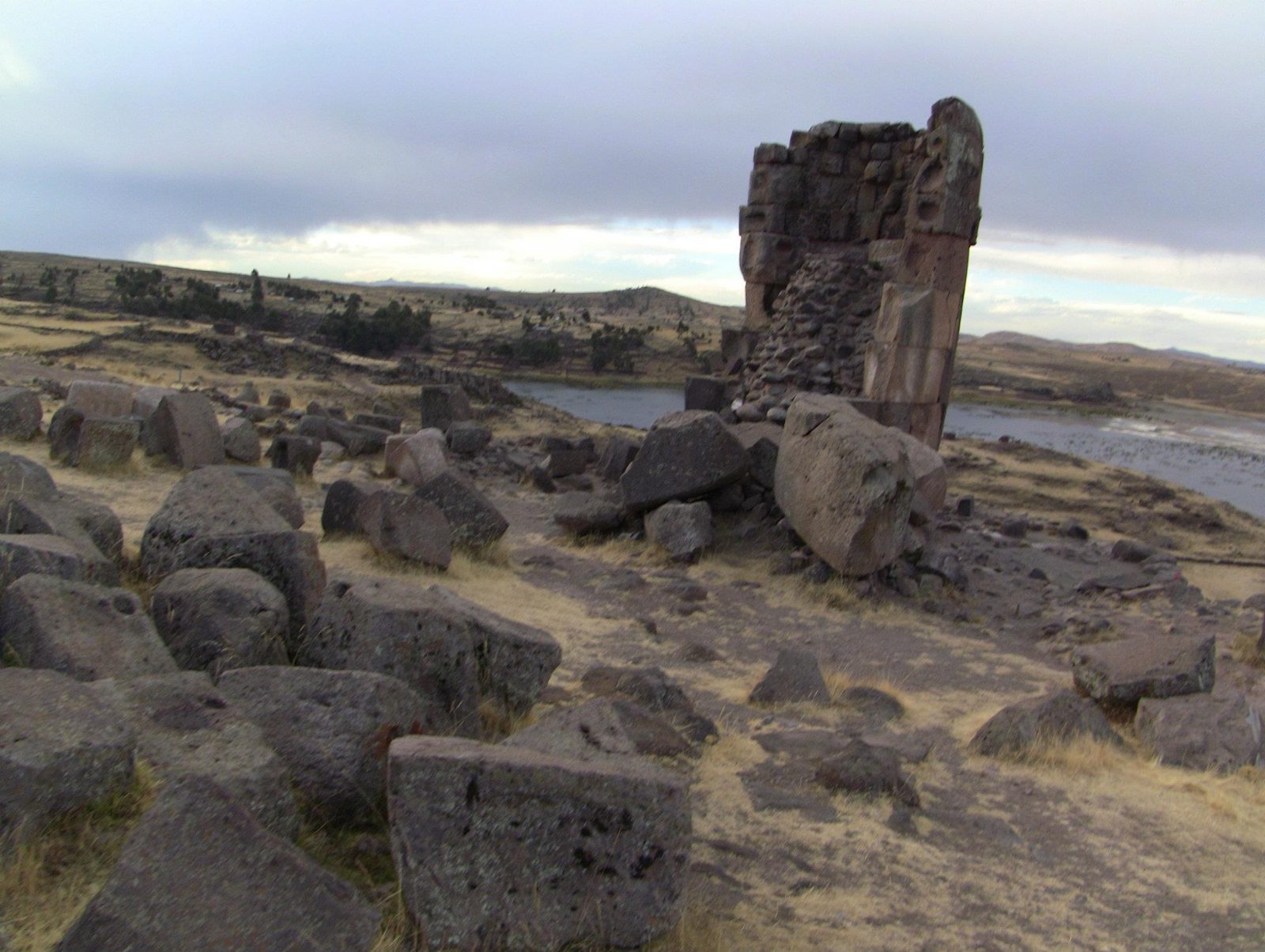
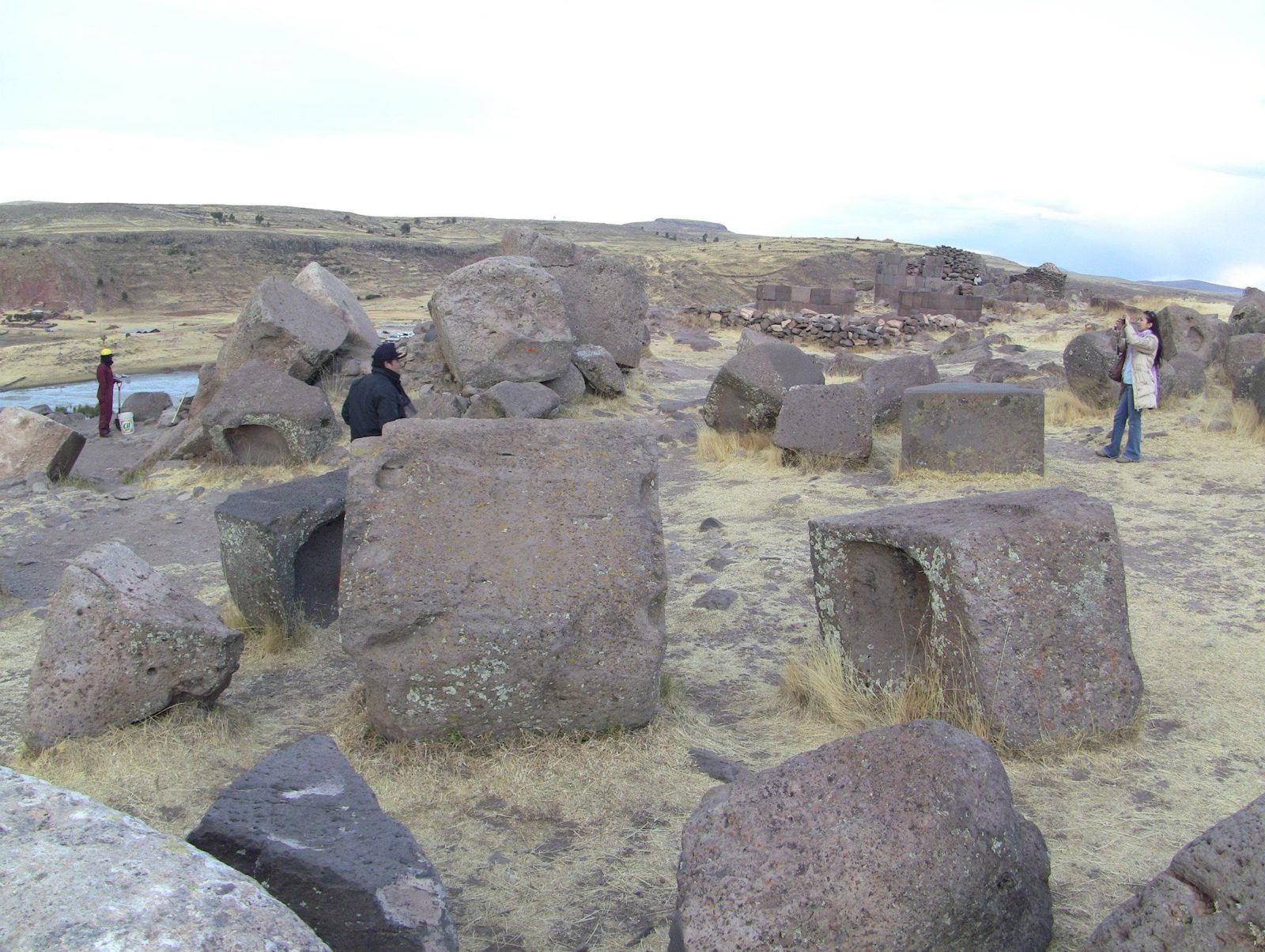
On a peninsula in Lake Umayo, Sillustani's chullpas held the remains of Colla nobles and were later built in fine Inca masonry, mostly between AD 1200 and 1500. One tower was left half-built with its construction ramp still in place, showing how stones were raised.
But... how were the smooth, curved blocks shaped and fitted so precisely? Researchers estimate the work was done with stone tools, ramps and a lot of labour; some enthusiasts ask whether that fully explains the finish of the best towers.
Would you trust a tower that grows wider as it rises?
Site on the map: Sillustani
Stonework theme: Who taught whom?A continuous story in stone, from Tiwanaku to colonial Cusco.