Travel South

Nazca Cemeteries & Aqueducts: Chauchilla, Cahuachi, Cantalloc

In the desert south of Nazca, the dead still sit in their tombs with their long braided hair intact.

The tombs of Chauchilla hold burials from the Wari period to Inca times, about AD 700–1534. The tombs stretch over about two kilometres and are built of adobe (Peru tourism inventory). Nearby Cahuachi belongs to the Nazca culture (about 200 BC–AD 700), and many of its adobe pyramids were abandoned in the 4th century AD (Peru tourism inventory). Excavations have shown the centre's ceremonial role (Valdez 1994). At Cantalloc, spiral shafts called puquios still feed water to fields.

The age of the puquios is still debated.

Which of these three would you visit first?

Site on the map: Chauchilla Cemetery · Cahuachi · Cantalloc puquios

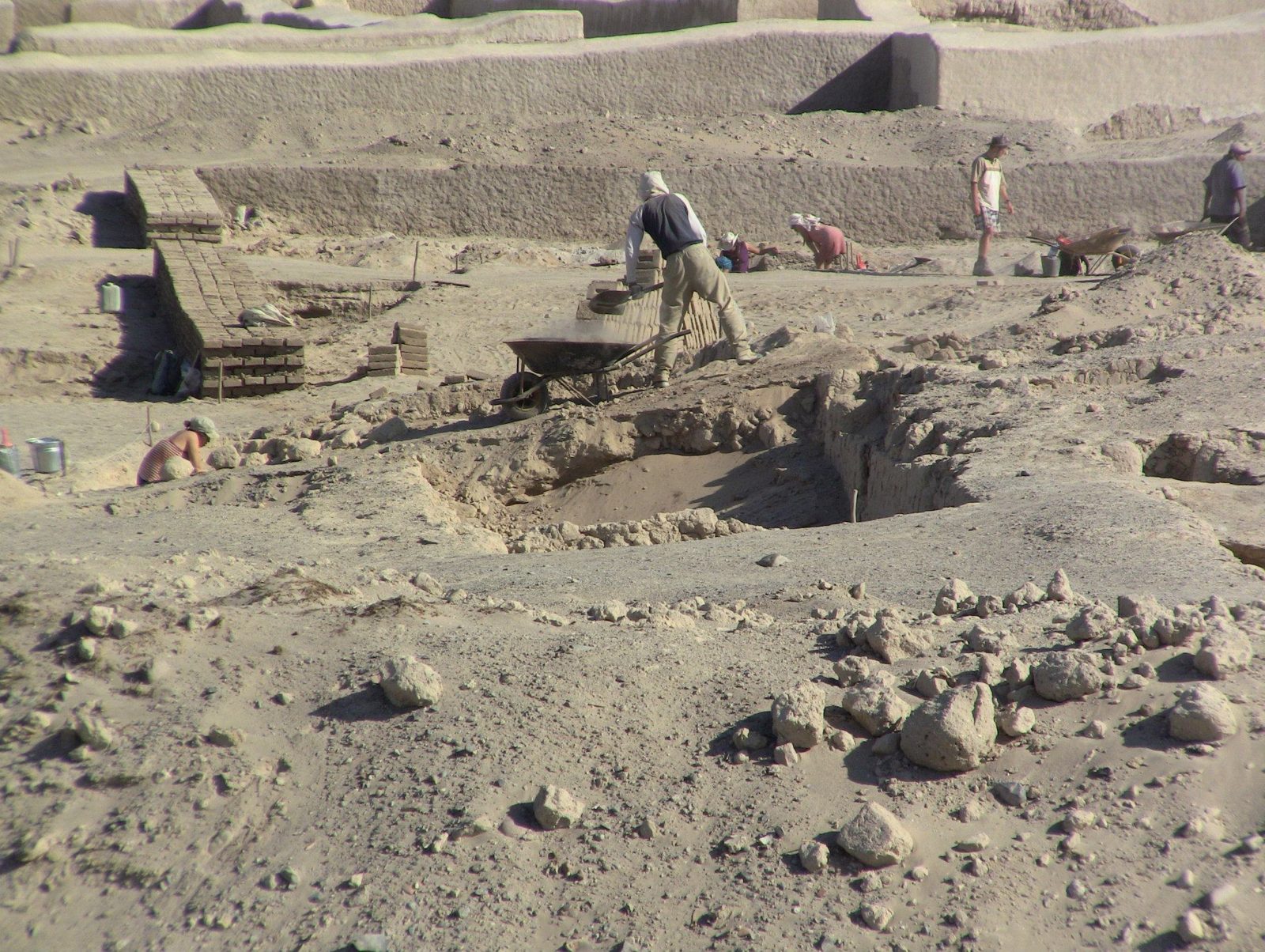
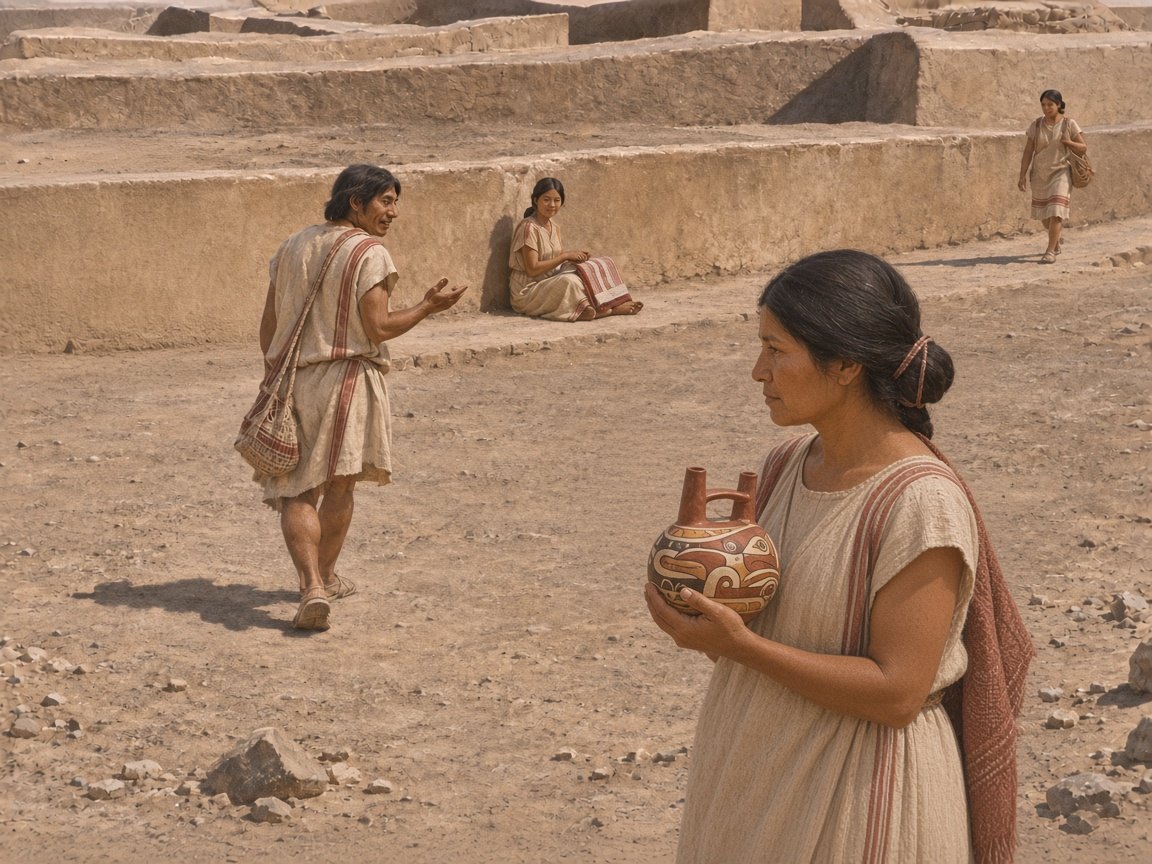
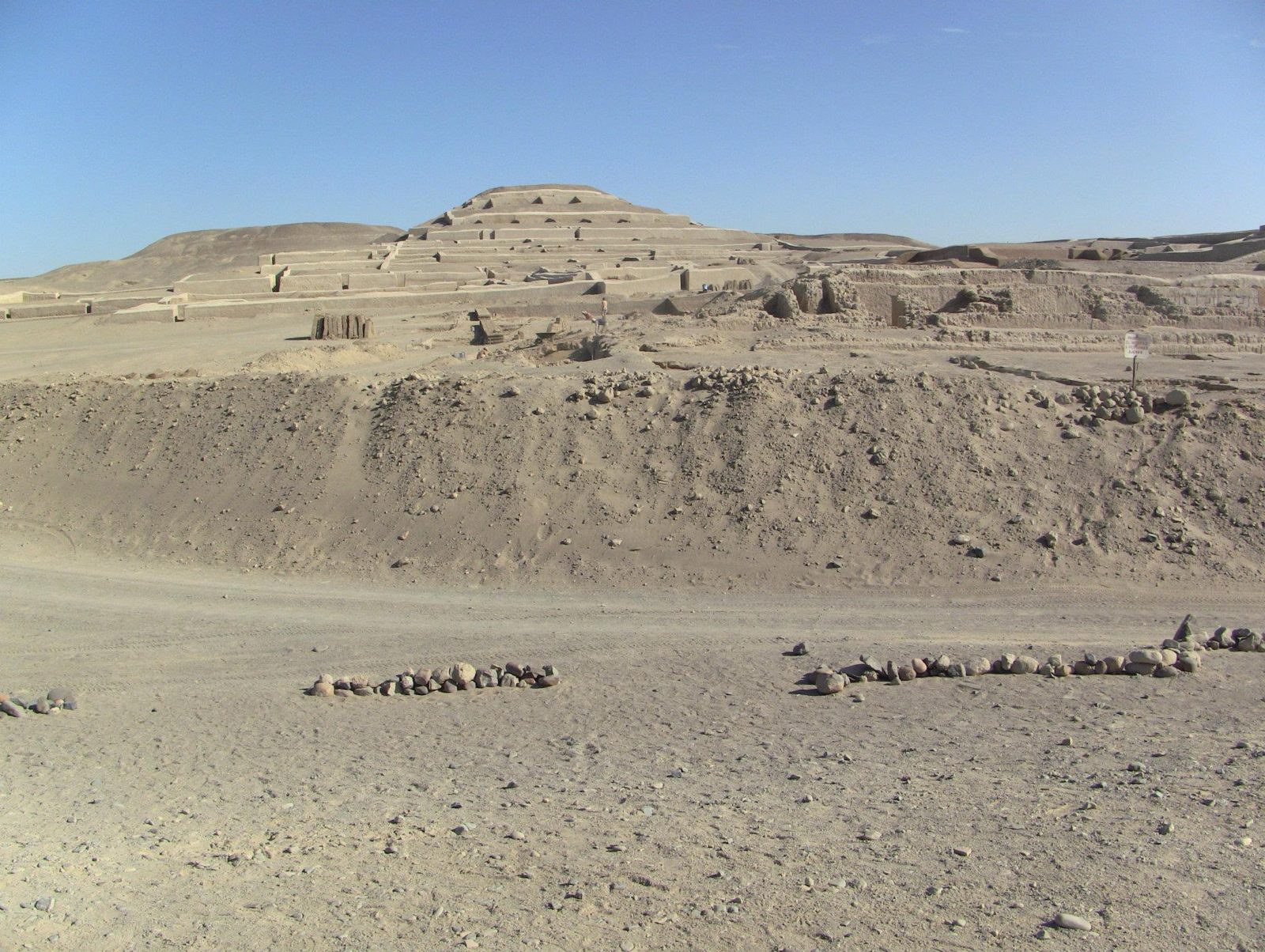
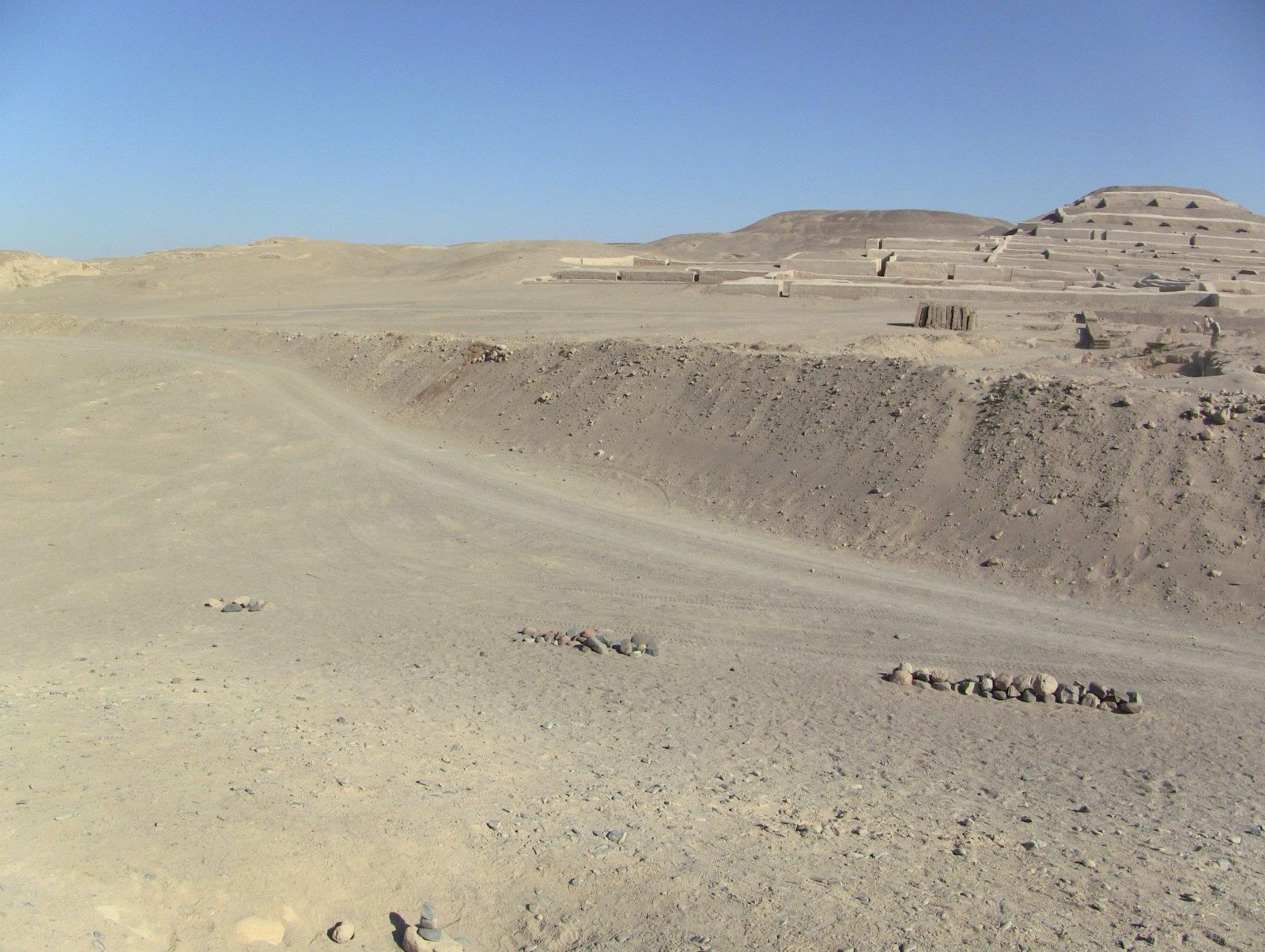
Cahuachi: the excavation in 2011 and the courtyard around AD 250

The Cahuachi excavation: low adobe platforms, excavation workers and a wheelbarrow.
Photo 2011The Cahuachi excavation in 2011, with excavation workers and a wheelbarrow. Photo: Jani Korpi.
Illustration: a woman carries a painted double-spout clay bottle across an adobe courtyard while a man makes way for her.
AI-assisted historical illustrationCahuachi, Early Nasca period. A walker carries a painted vessel across an adobe courtyard. The shapes of the courtyard are based on the 2011 photo and the vessel on surviving Nasca pottery. The people and this encounter are the illustrator's interpretation. AI-assisted historical illustration.
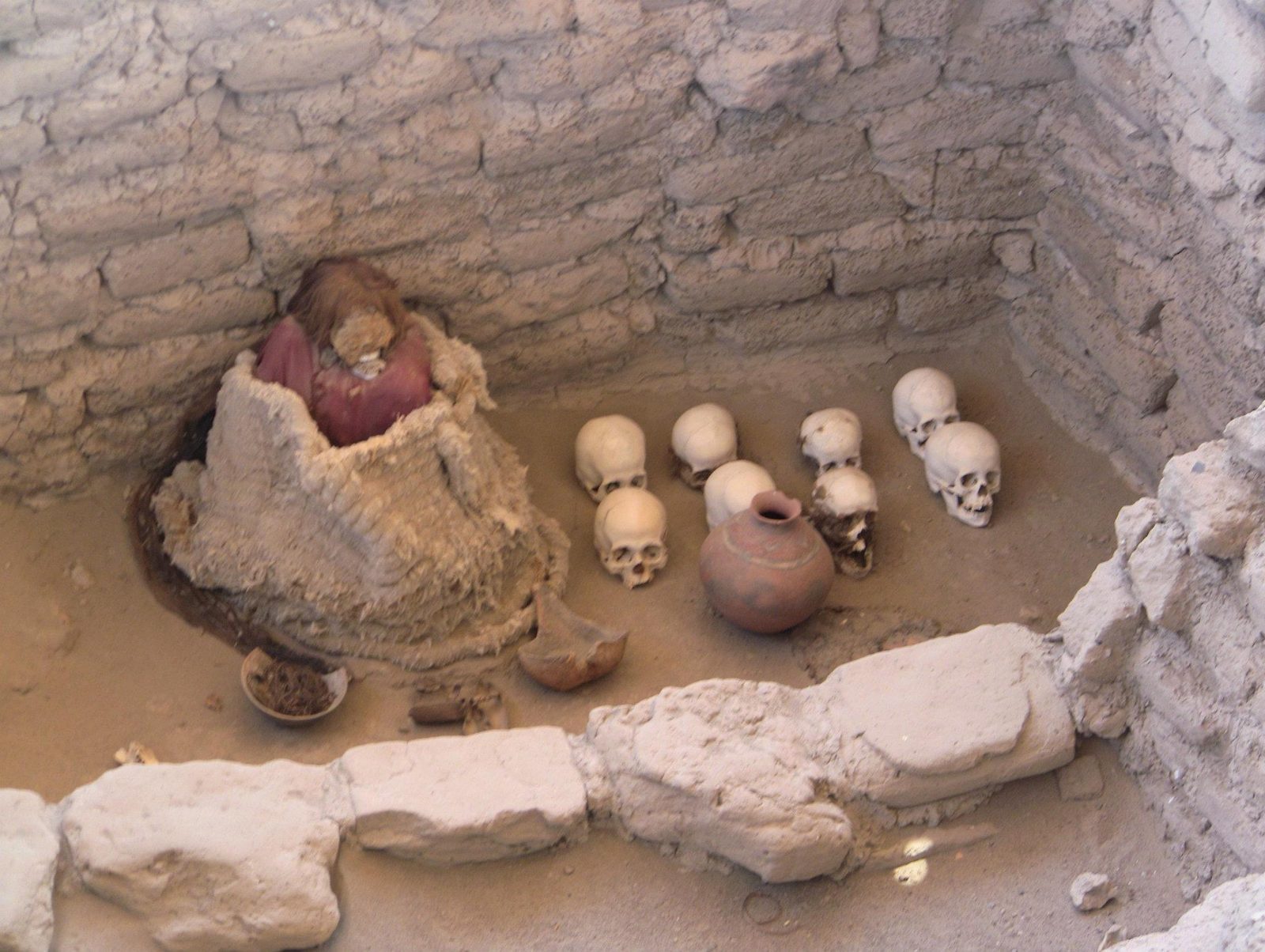
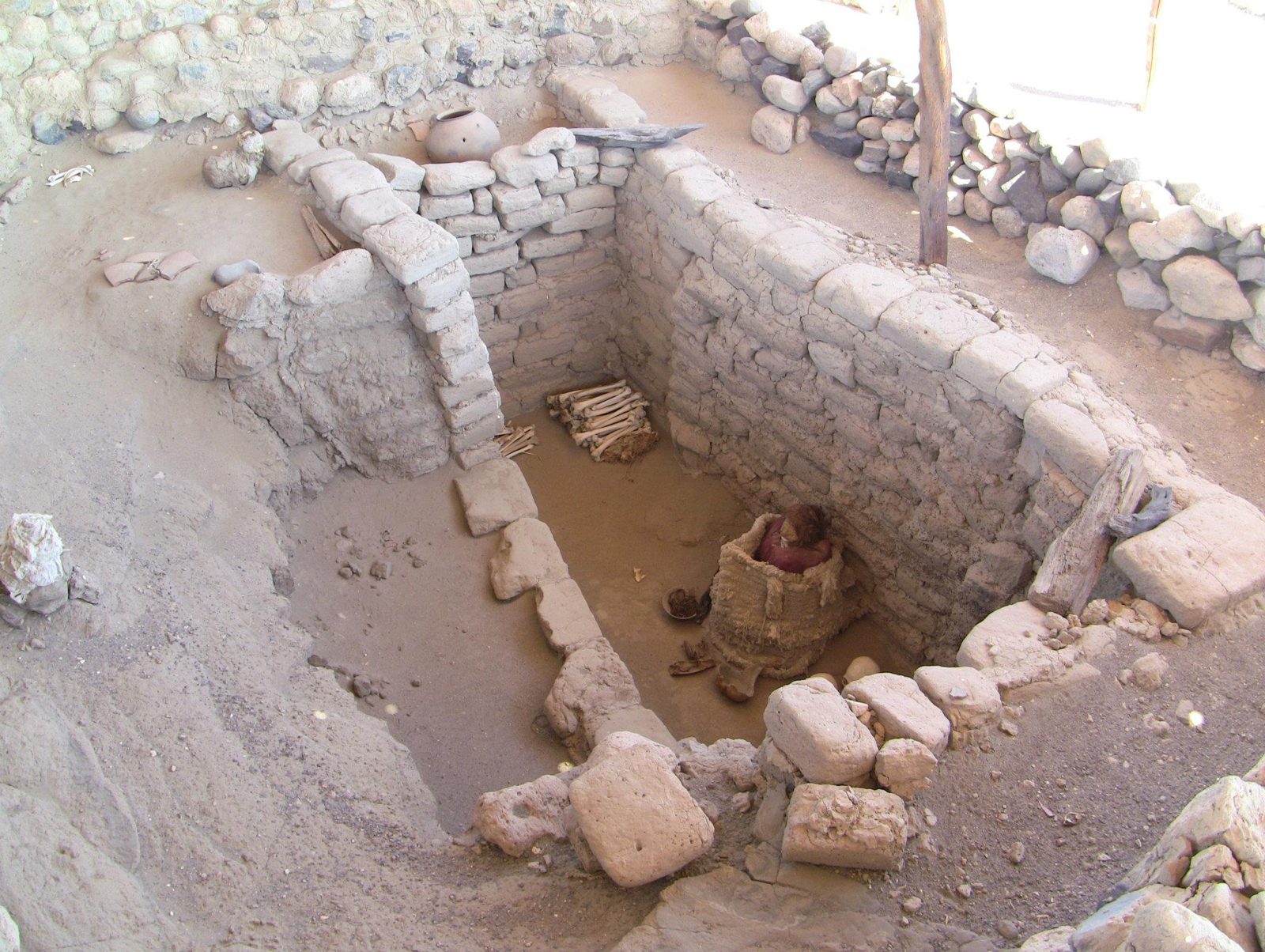
Mummies and pots in an open tomb
Mummies and pots in an open tomb. The bodies were wrapped in cotton and coated with resin, which helped preserve them.Data: Burials: about AD 700–1534View on Google Maps
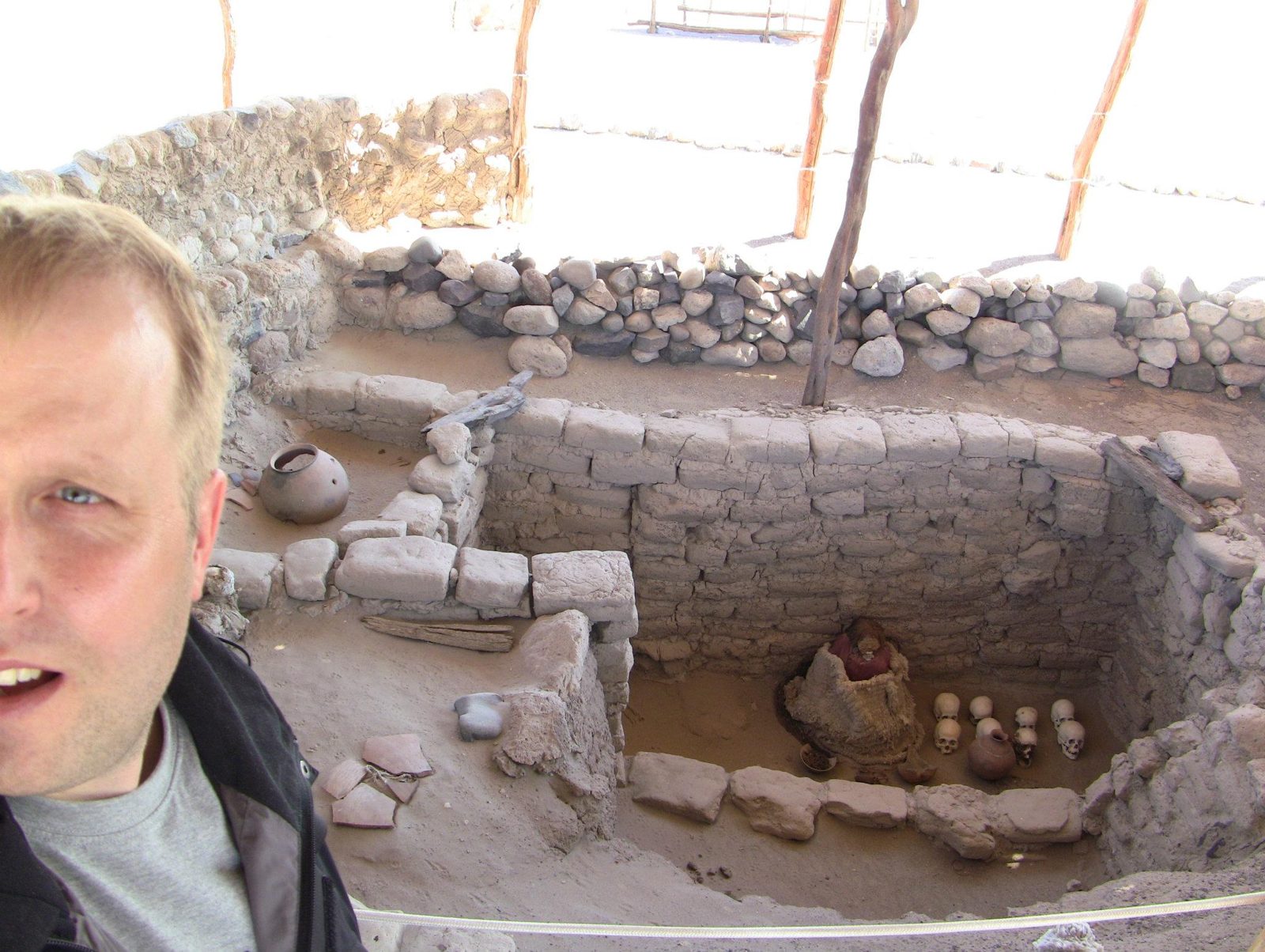
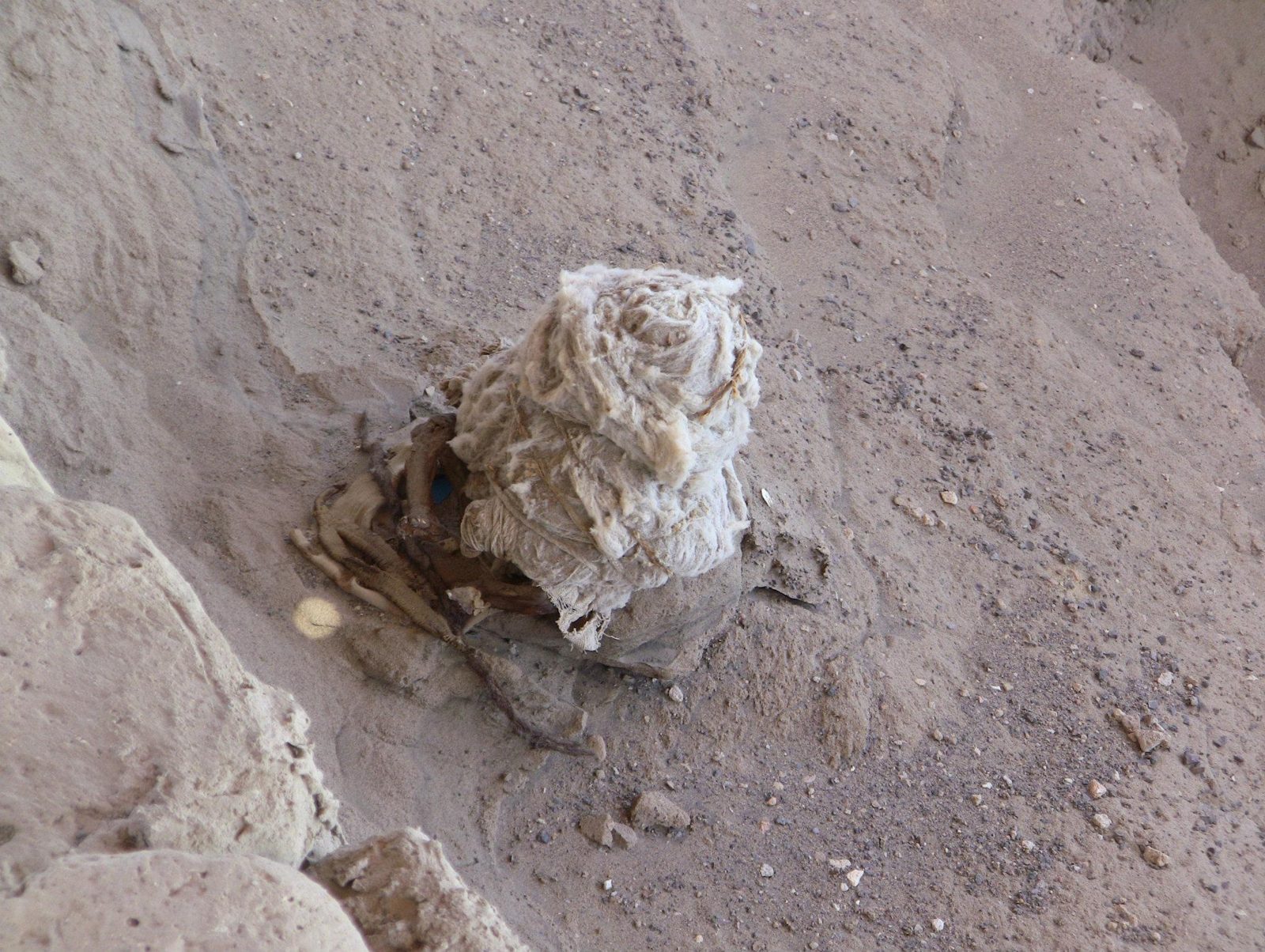
A mummy seated in an adobe-lined tomb
A mummy seated in an adobe-lined tomb. Burials here span roughly AD 200 to the 9th century.View on Google Maps
Mud-brick tomb walls
Mud-brick tomb walls. The cemetery was found in the 1920s and looted for decades before protection in 1997.View on Google Maps
Hair and cloth survive because almost no rain falls here
Hair and cloth survive because almost no rain falls here; the desert did the work of embalming.View on Google Maps
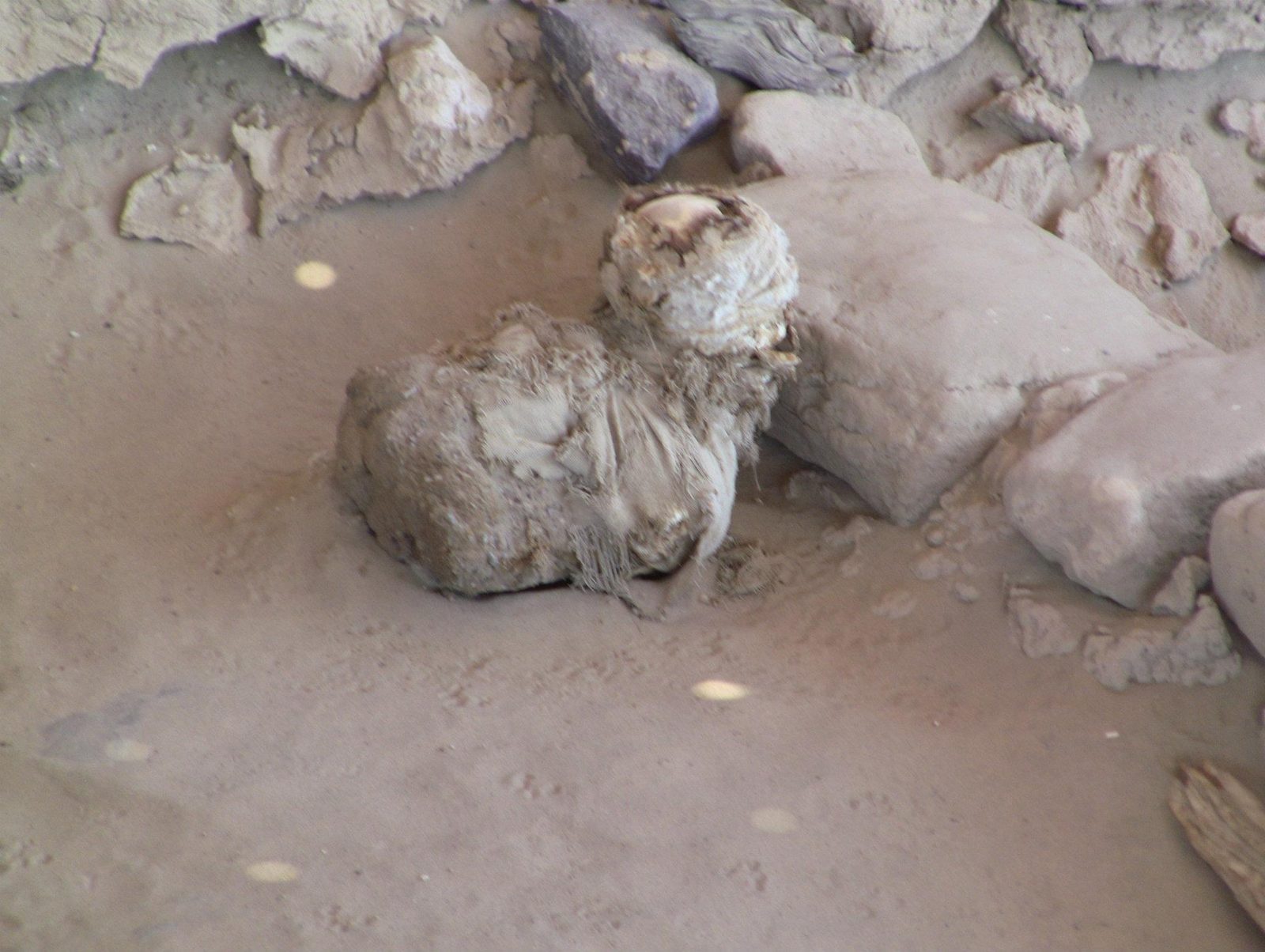
Bones and textiles left by grave robbers (huaqueros), who dug through the tombs for pottery and gold
Bones and textiles left by grave robbers (huaqueros), who dug through the tombs for pottery and gold.View on Google Maps
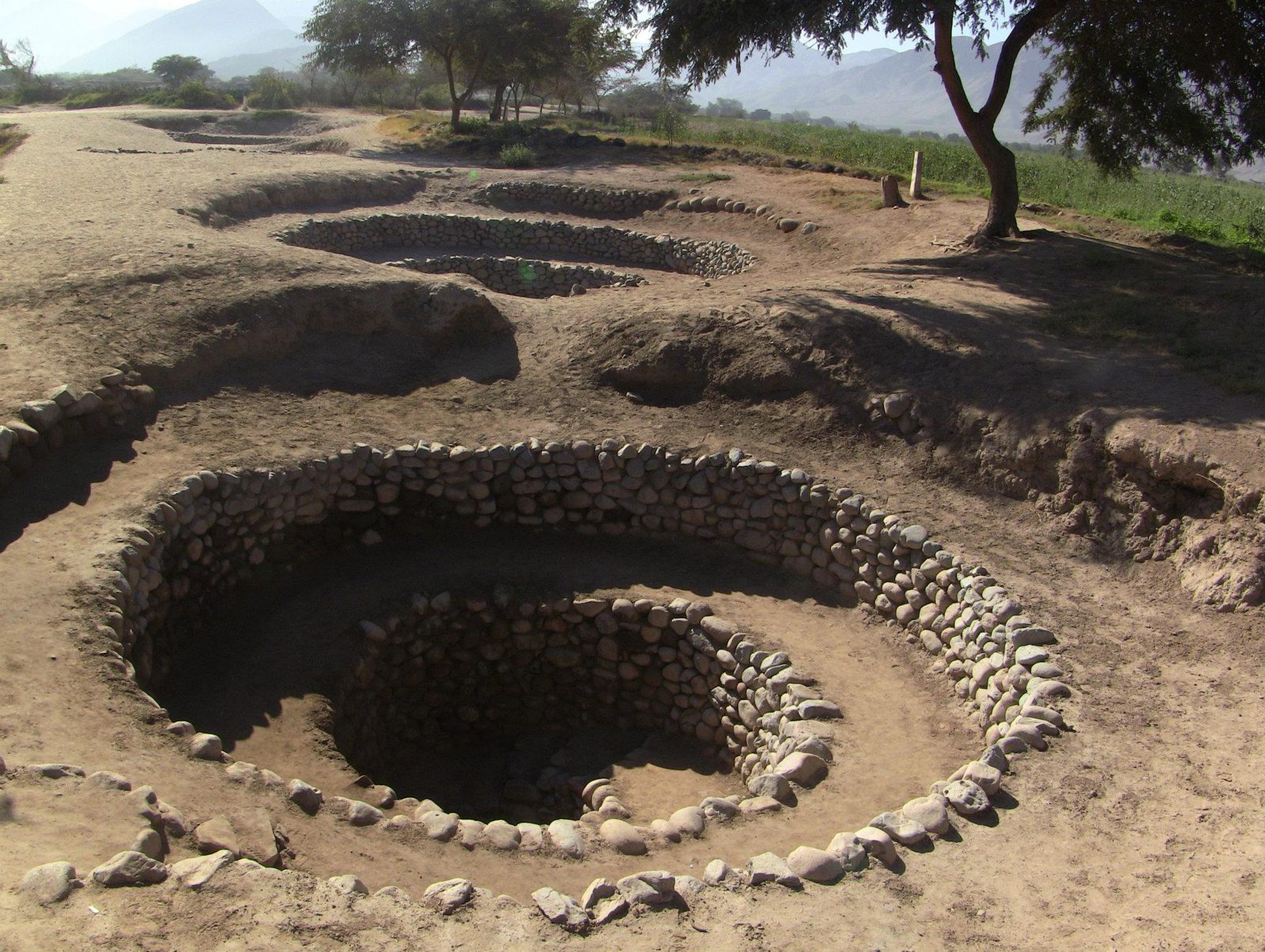
A spiral "ojo" of a Cantalloc puquio
A spiral "ojo" of a Cantalloc puquio. A 2016 study suggests the spirals let wind help push water through the channels.Data: Type: puquio (aqueduct) · Dated: debatedView on Google Maps
Adobe remains at Cahuachi
Adobe remains at the ceremonial centre of Cahuachi. According to the Mincetur inventory, the pyramids were abandoned in the 4th century AD.Data: Nazca culture: about 200 BC–AD 700View on Google Maps
Mounds near Cahuachi
Mounds near Cahuachi. Excavators count over 40; many seem to be natural hills reshaped with adobe.View on Google Maps
Toward Cahuachi
Toward Cahuachi. Helaine Silverman and Giuseppe Orefici argue it was a pilgrimage centre with few permanent residents.View on Google Maps
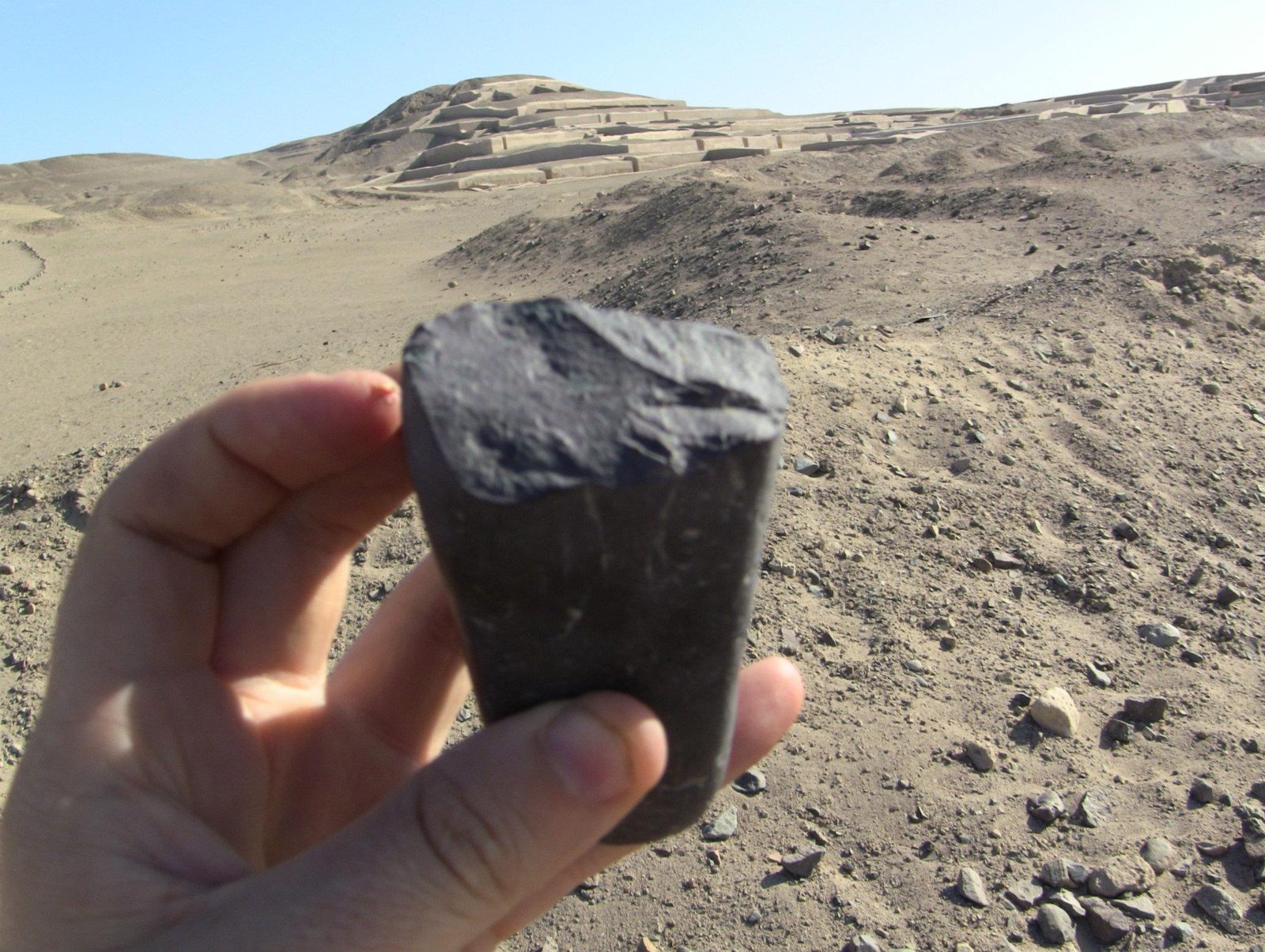
A dark surface stone
A dark surface stone. Iron and manganese oxides darken the desert pavement; lifting it shows the pale ground used for the lines.View on Google Maps