Travel South

Pisac & the Sacred Valley

The cliff above Pisac is riddled with tombs, making it one of the largest known Inca cemeteries.

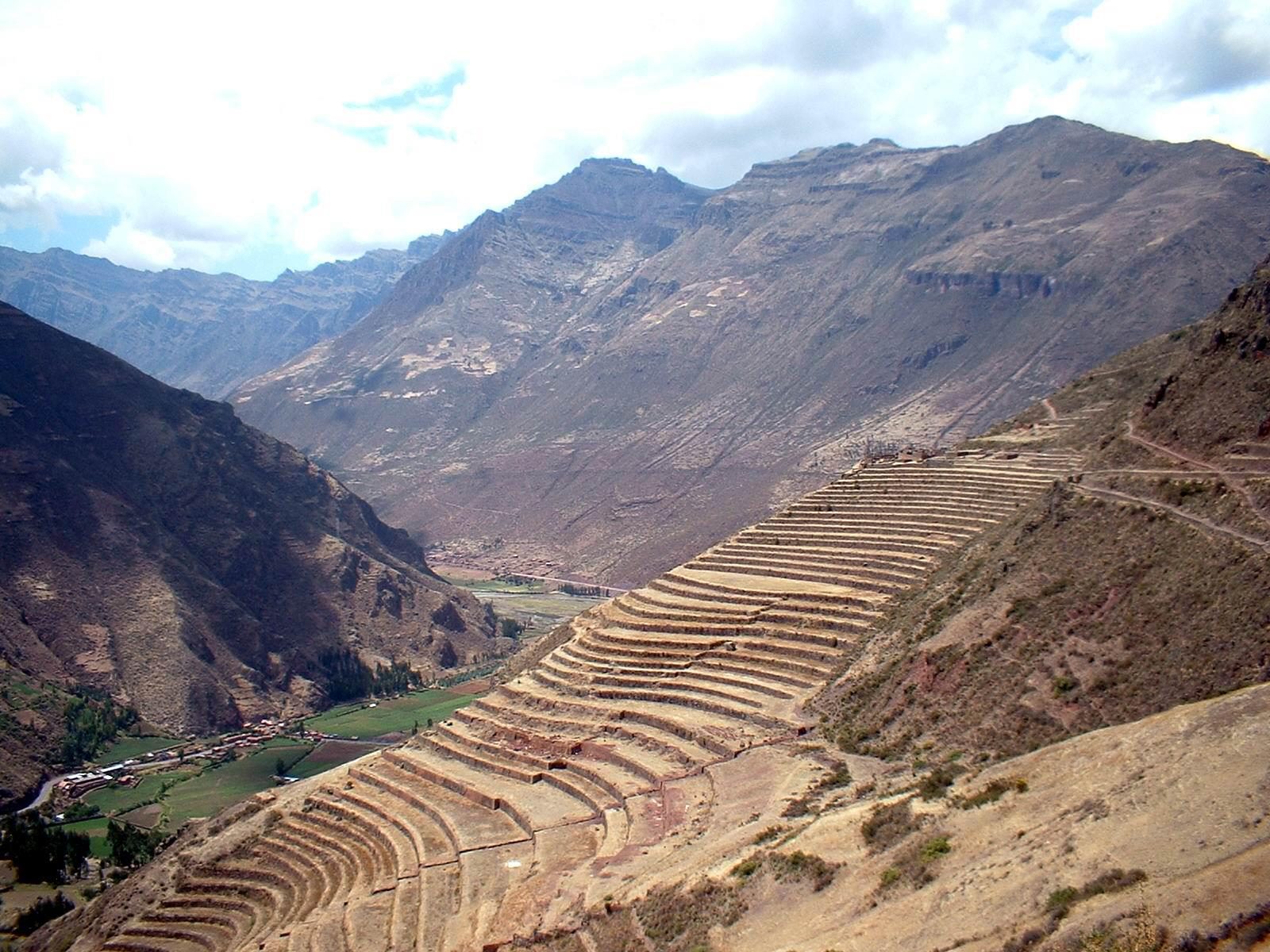
Pisac's terraces sweep down the mountainside like a giant staircase above the Sacred Valley. The site, generally dated to Pachacuti's reign in the 15th century, combines farming terraces, fortified sectors and a ritual centre of finely fitted stone with its own Intihuatana. Below, the colonial town is known for its large market.

But... was Pisac a royal estate, a fortress or a sanctuary? Researchers estimate it may have been all three; some enthusiasts ask what the Intihuatana stones were really used for.

Which would you choose: the ruins at dawn or the market at noon?

Site on the map: Pisac archaeological park · Moray

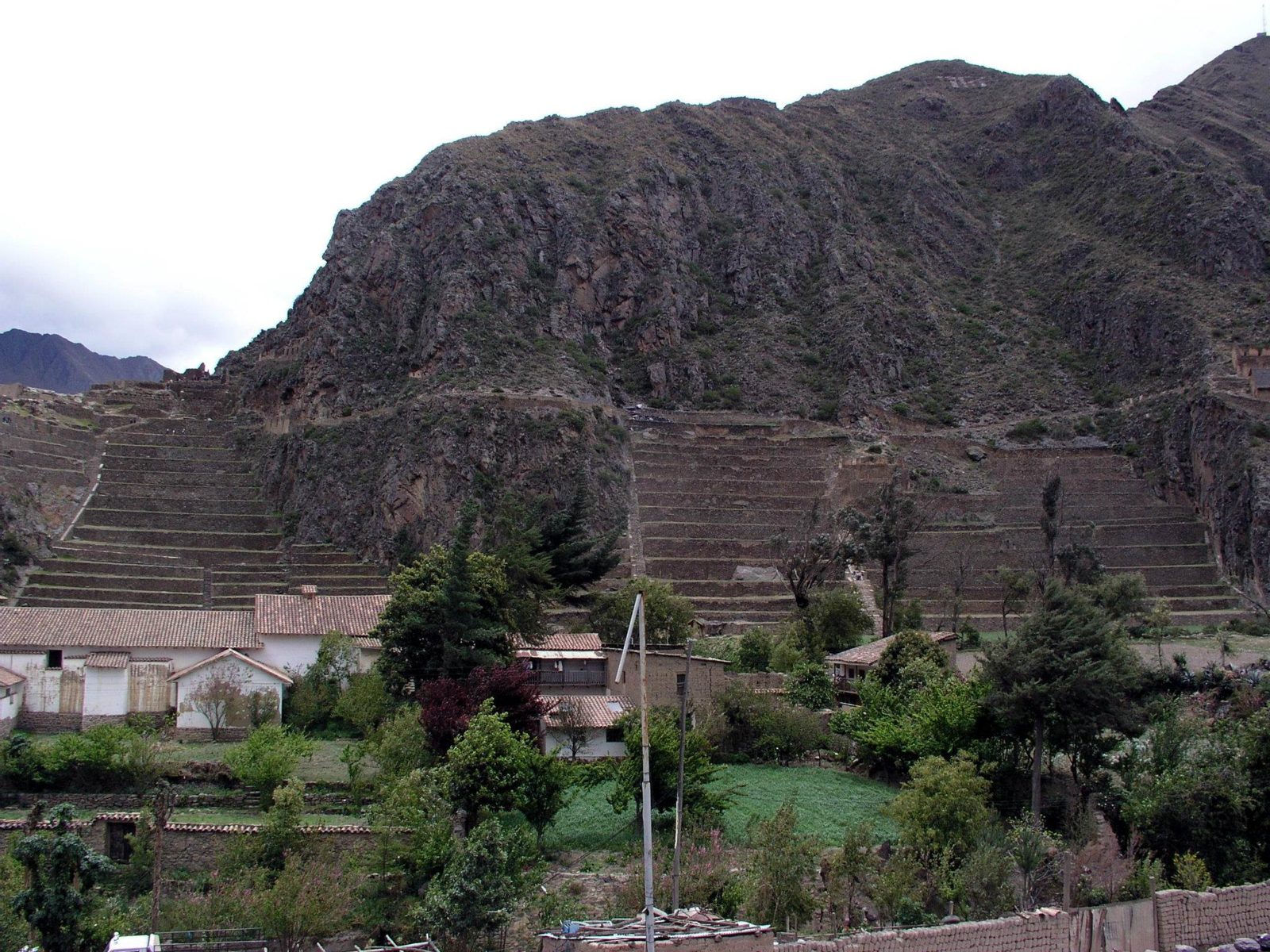
Terraces above the Sacred Valley, probably at Pisac (not confirmed from the photo)
Terraces above the Sacred Valley, probably at Pisac (not confirmed from the photo). Inca terraces combine stone retaining walls with layered fill that drains rainwater.View on Google Maps
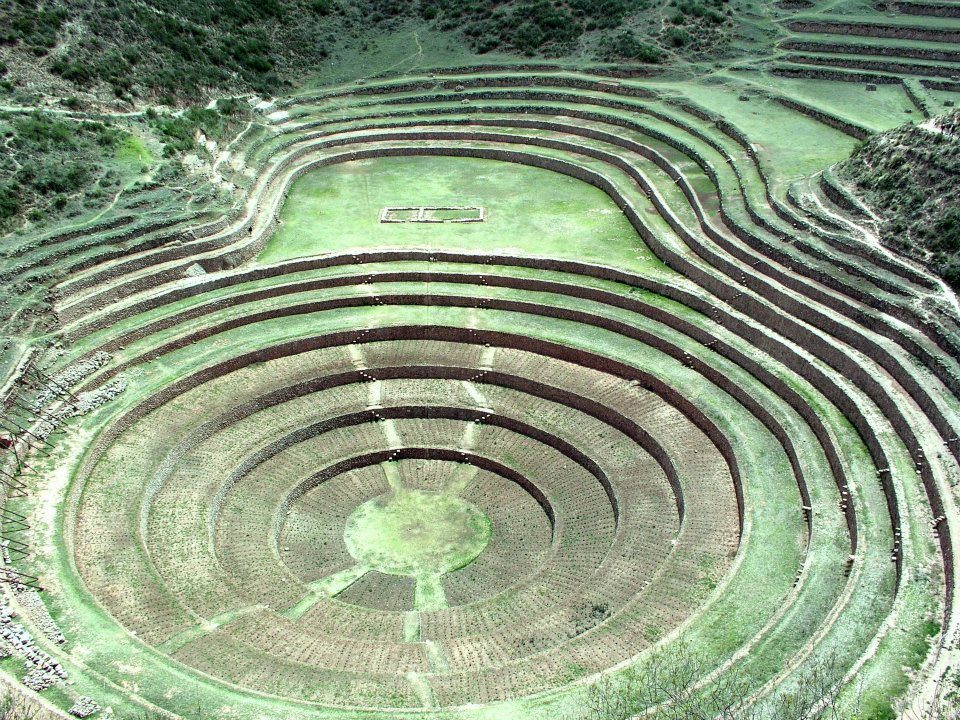
Moray's circular terraces
Moray's circular terraces: about 30 m deep, with temperature differences of up to 15 °C between top and bottom.Data: Depth: ~30 m · Temperature difference: up to 15 °CView on Google Maps
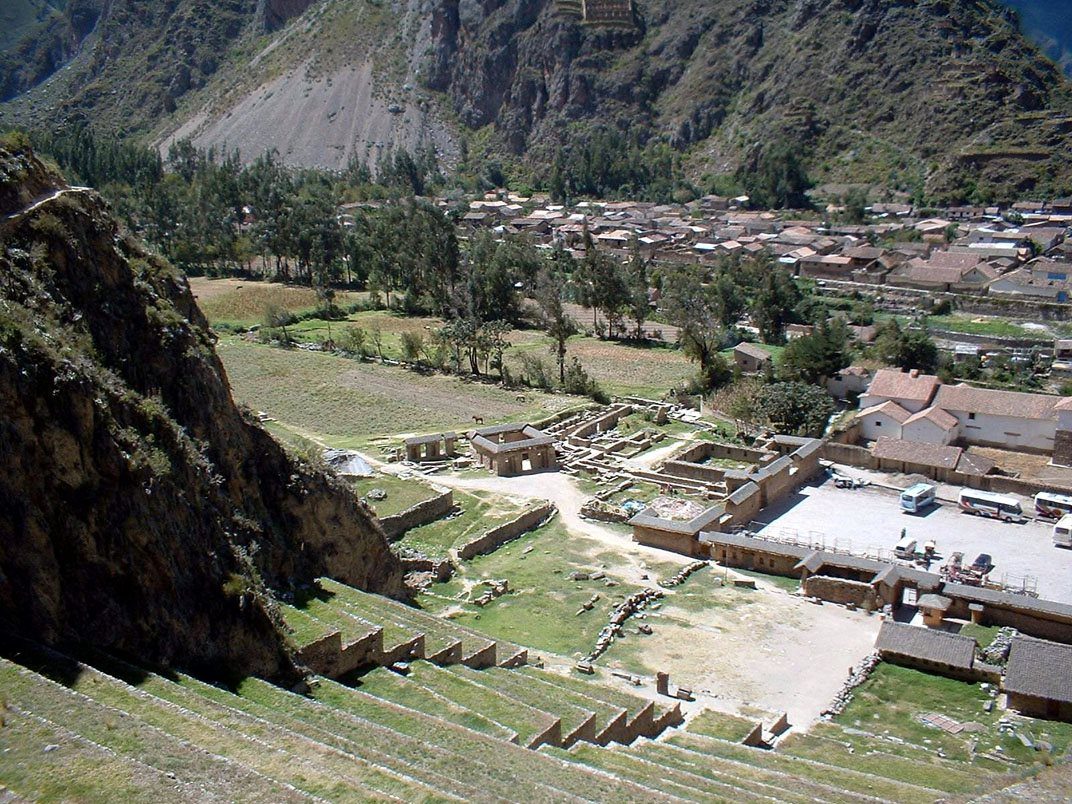
Pisac ruins
Pisac ruins. The cliff behind holds hundreds of tombs, one of the largest known Inca cemeteries.View on Google Maps
The Sacred Valley floor, lower and warmer than Cusco, was prime maize land for the Inca
The Sacred Valley floor, lower and warmer than Cusco, was prime maize land for the Inca.View on Google Maps
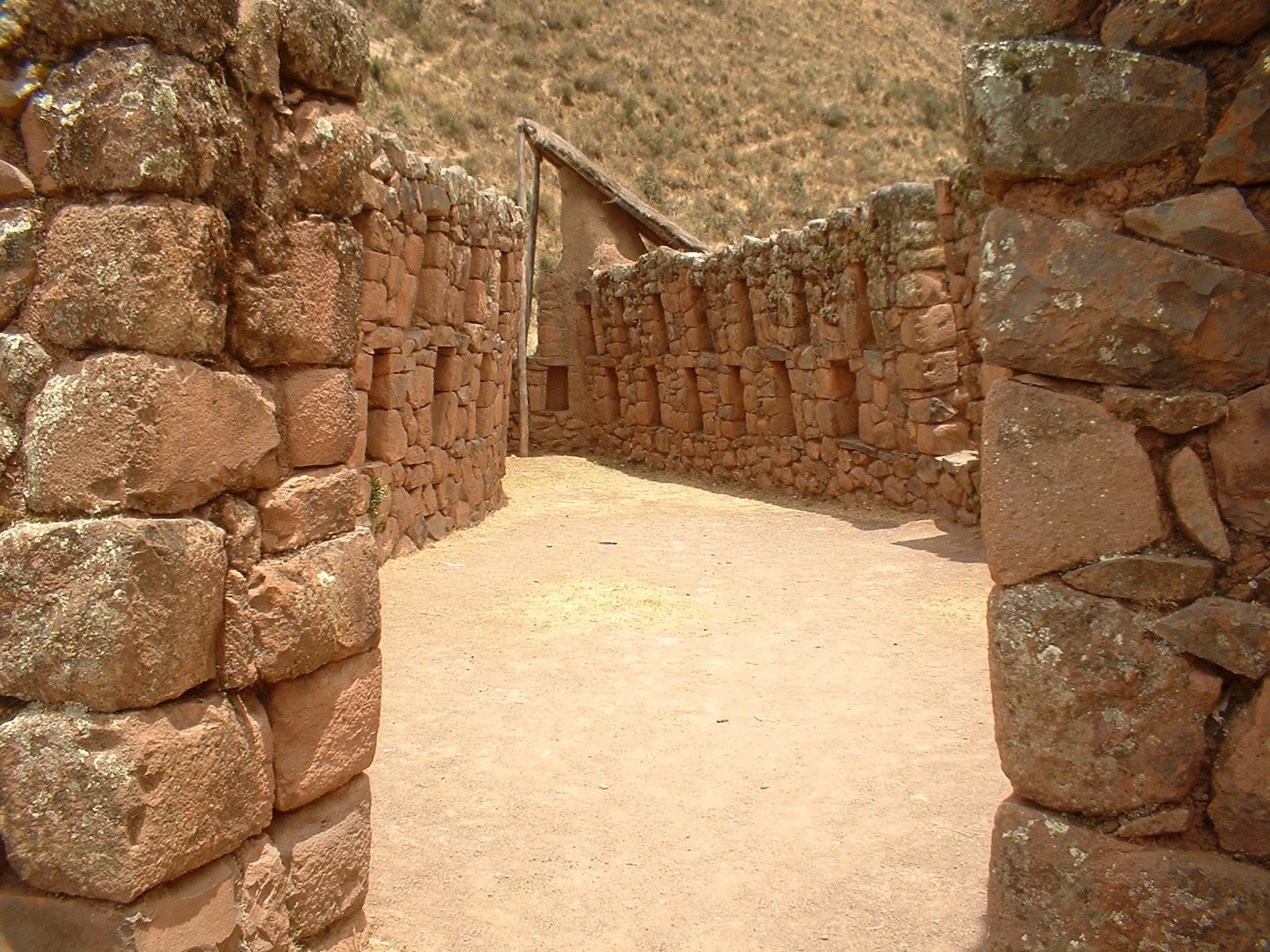
Fitted walls with niches in the ritual sector
Fitted walls with niches in the ritual sector, which has its own Intihuatana stone.View on Google Maps
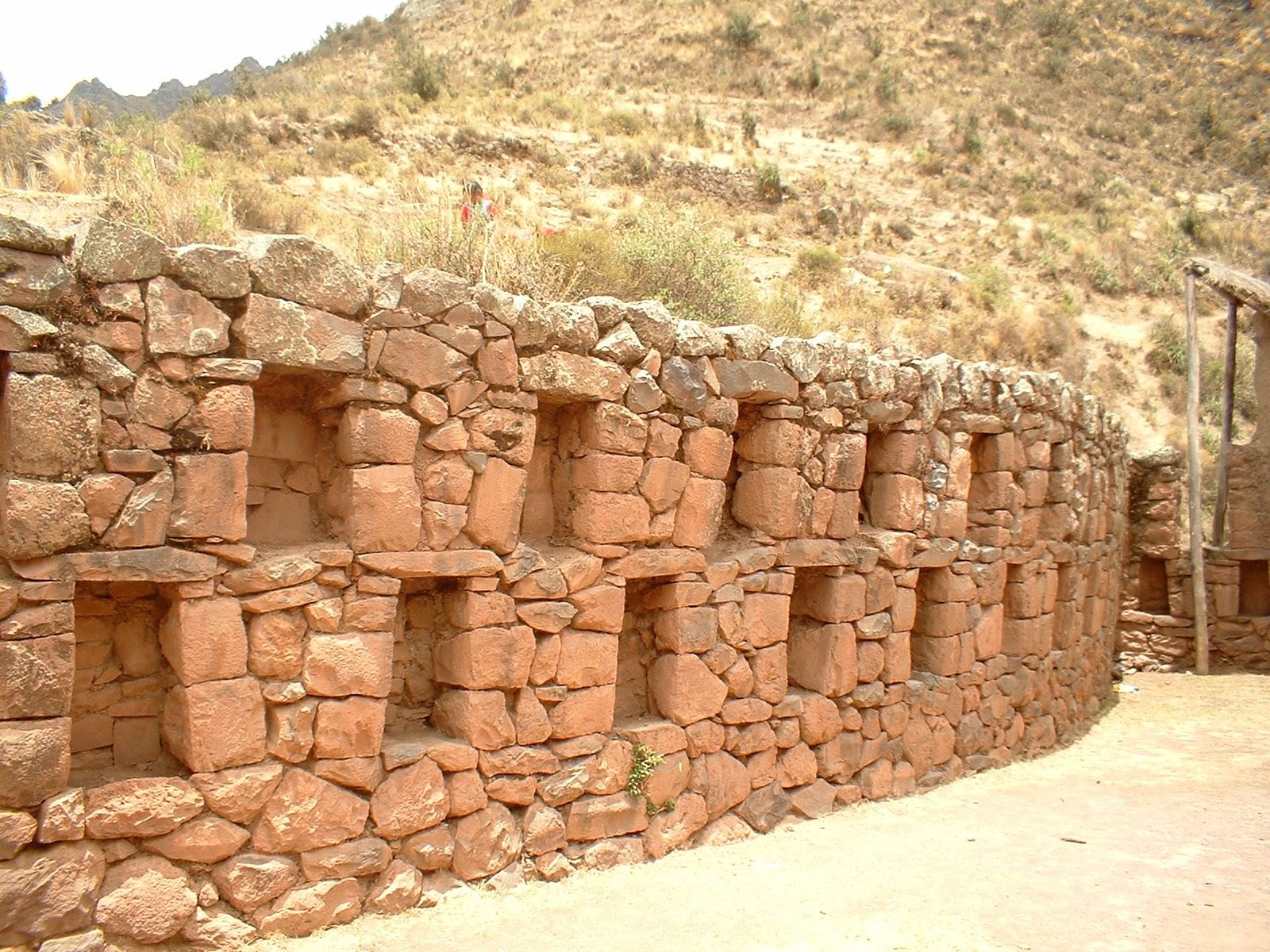
A row of niches in a terrace wall
A row of niches in a terrace wall; niches are thought to have held offerings or objects.View on Google Maps
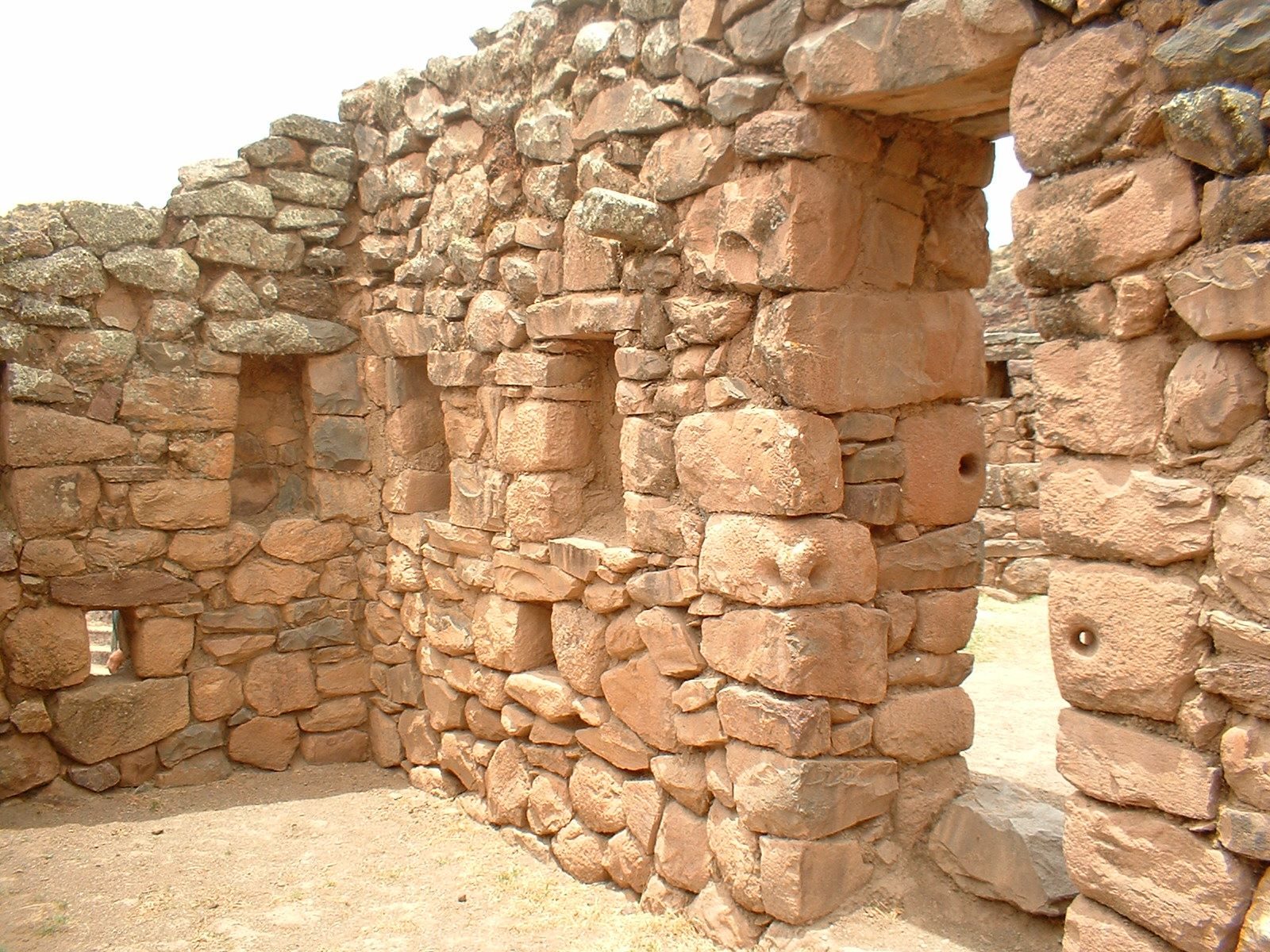
Stonework in a ruined sector
Stonework in a ruined sector. Fortified sectors here guarded the entrance to the valley.View on Google Maps
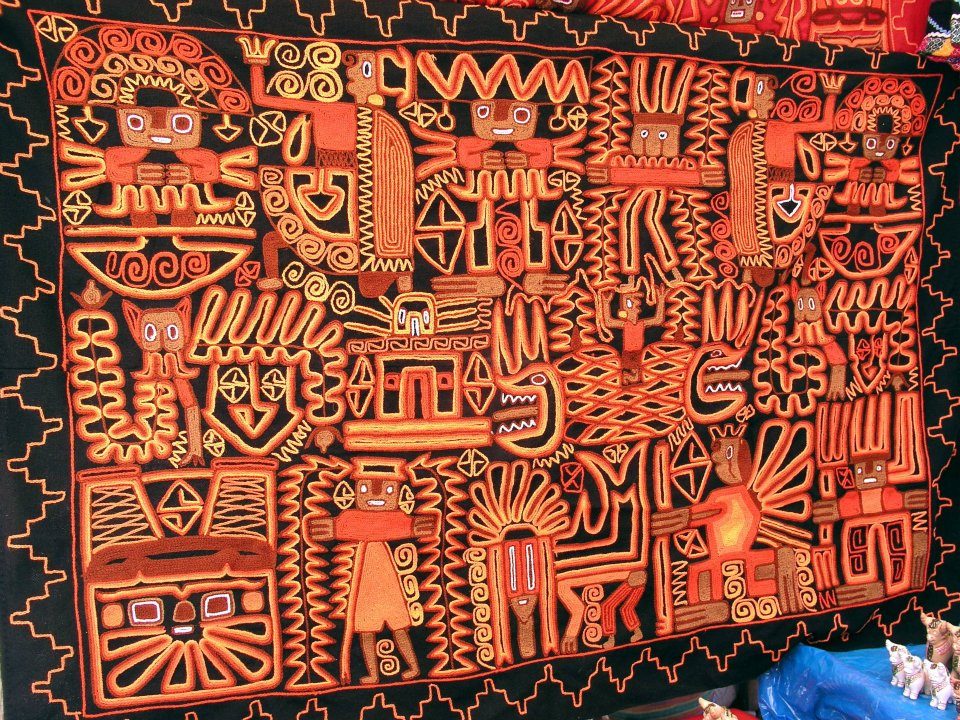
Textiles at the Pisac market
Textiles at the Pisac market, which is busiest on Sundays.View on Google Maps
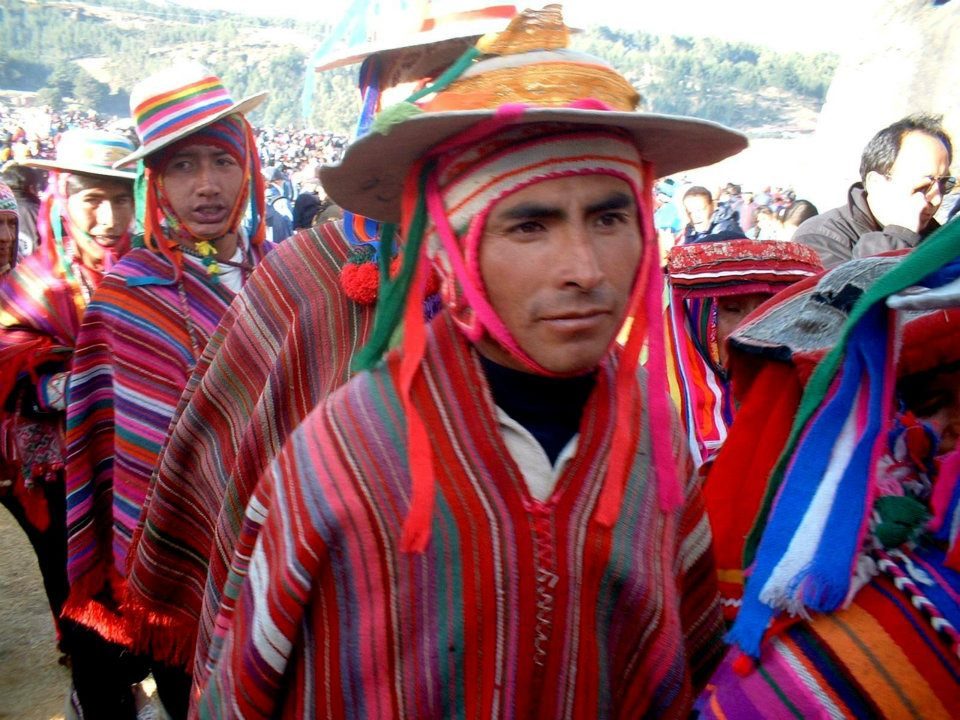
Traditional dress at the market
Traditional dress at the market; patterns often identify a wearer's home community.View on Google Maps
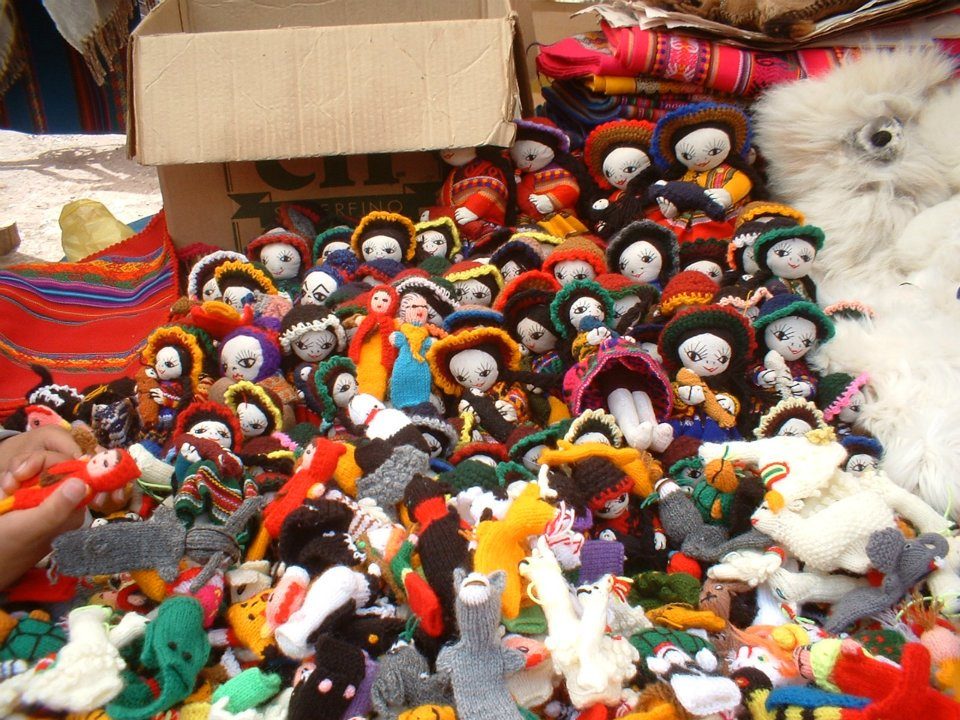
Dolls and souvenirs, many of alpaca wool, a fibre spun in the Andes for thousands of years
Dolls and souvenirs, many of alpaca wool, a fibre spun in the Andes for thousands of years.View on Google Maps
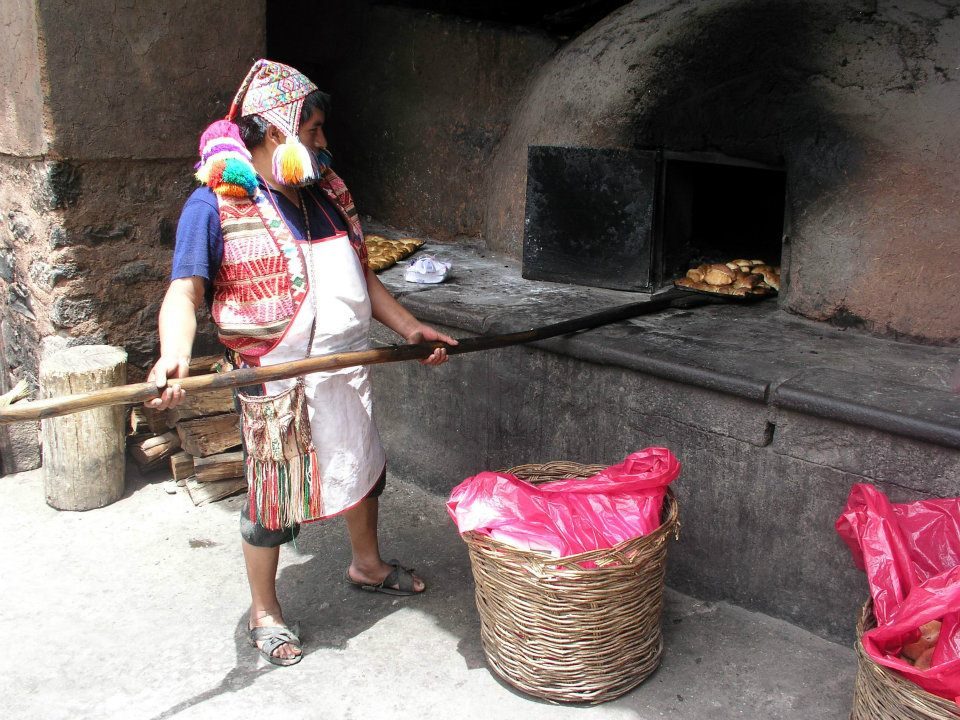
A traditional clay oven
A traditional clay oven; Pisac is known for its wood-fired bread.View on Google Maps
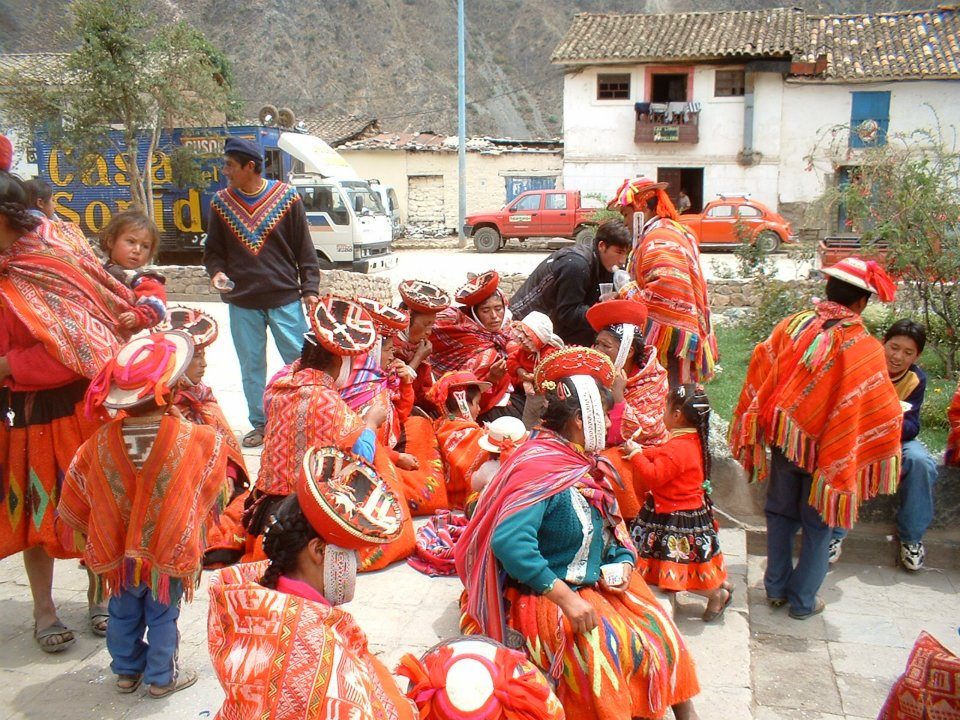
Women in red ponchos from the surrounding communities
Women in red ponchos from the surrounding communities.View on Google Maps
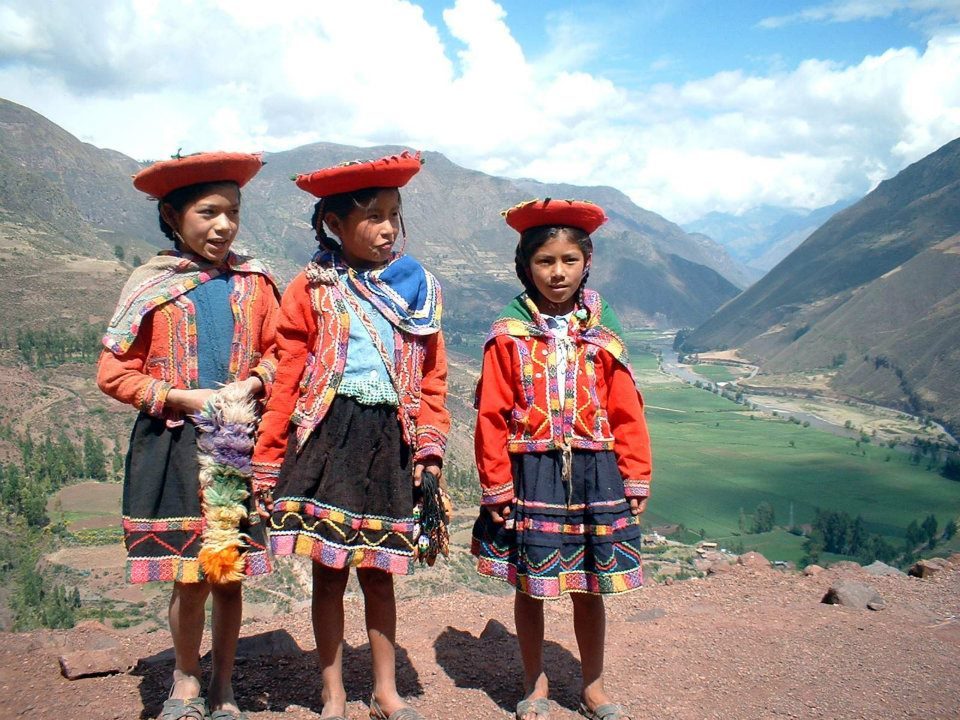
Children in traditional dress
Children in traditional dress. Quechua is still the first language of many families here.View on Google Maps