Travel South

Ollantaytambo

Huge pink stones lie abandoned on the road from a quarry on the other side of the river.

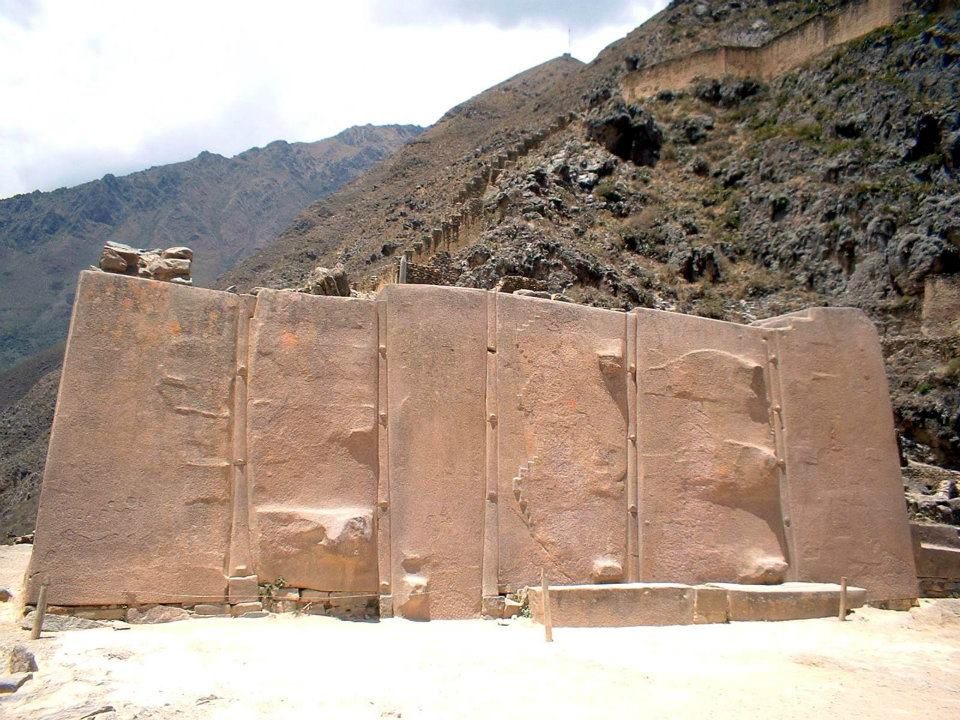
Ollantaytambo is one of the few Inca towns still lived in on its original street grid. Above it rises a temple-fortress built mainly under Pachacuti and left unfinished when the Spanish arrived. Its Wall of the Six Monoliths is made of pink rhyolite hauled from the Kachiqhata quarry across the Urubamba; archaeologist Jean-Pierre Protzen studied the ramps and tools used.

But... researchers estimate the rough and refined stonework belong to Inca phases; some enthusiasts ask whether they are separate, much older building phases.

Why carry stones across a river when there is rock on this side?

Site on the map: Temple Hill / Six Monoliths, Ollantaytambo

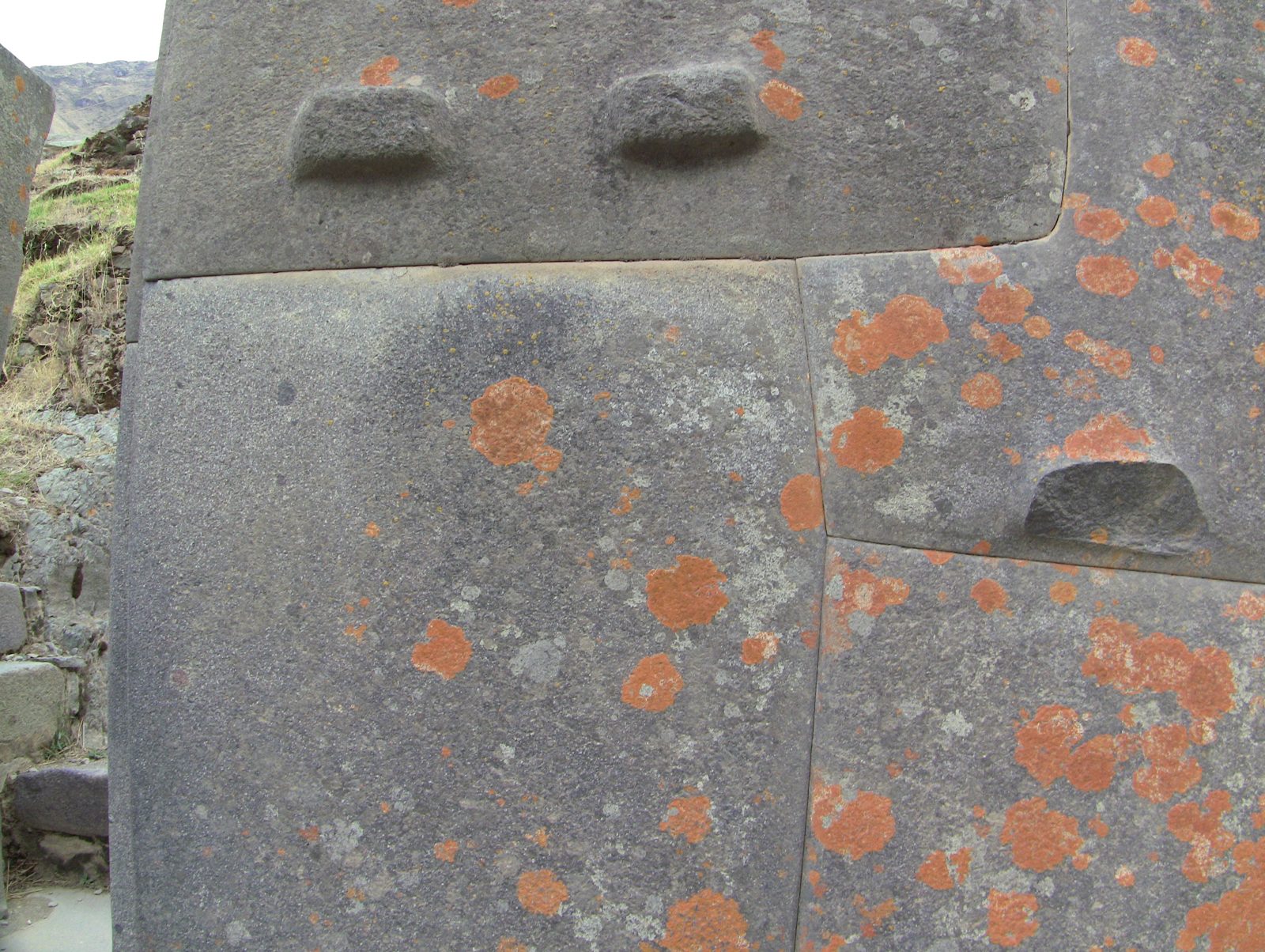
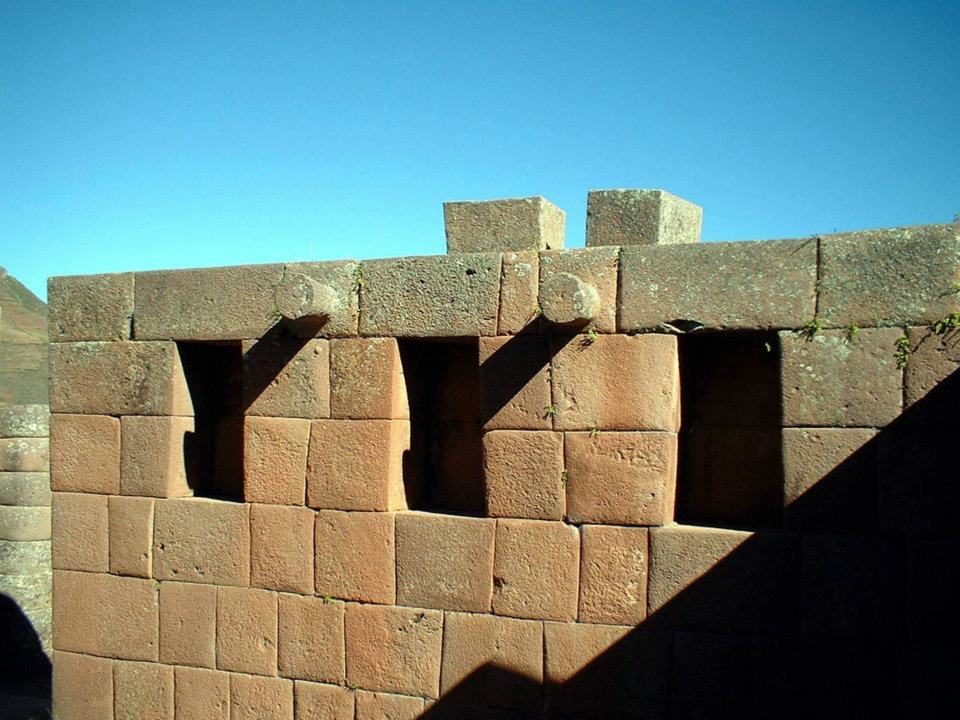
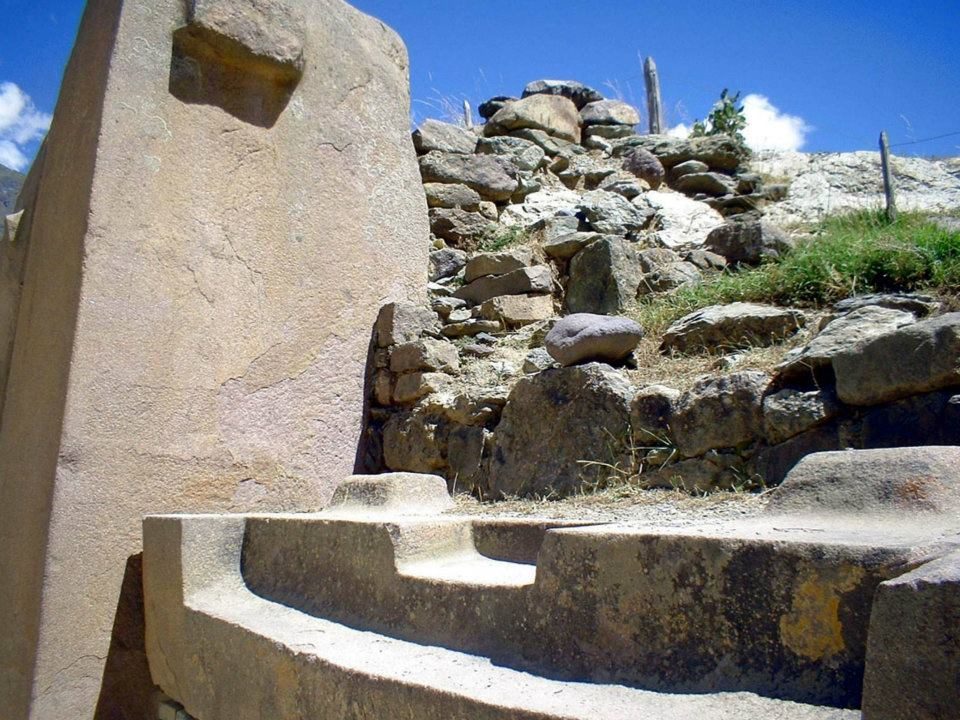
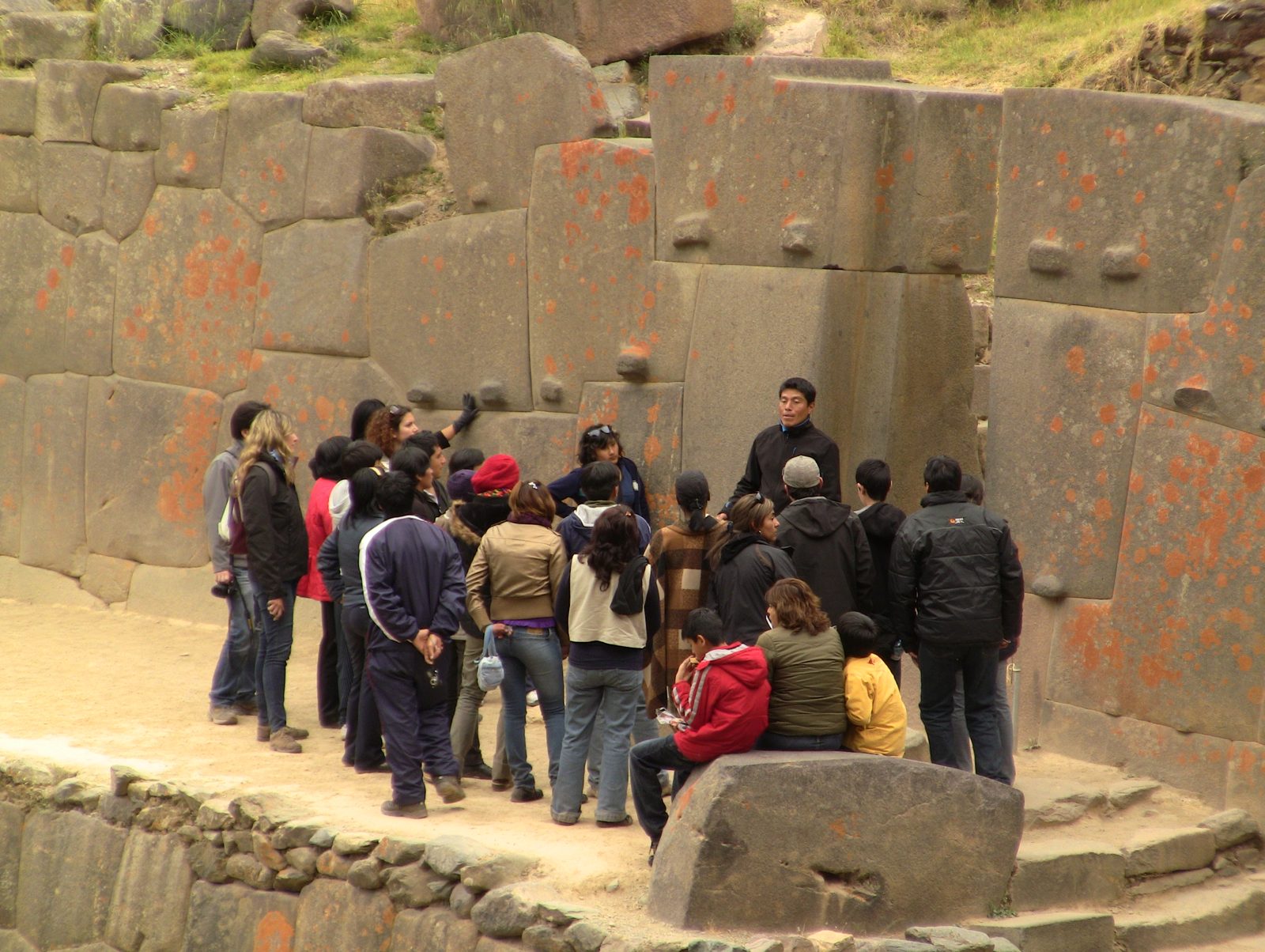
Knobs on fitted blocks
Knobs on fitted blocks. Protzen suggested such bosses may have been lever or positioning points; their purpose is still debated.Data: Stone: rhyolite · Est. weight: ~50–100 t (estimates) · Built: 15th centuryView on Google Maps Photo: Jani Korpi, CC BY-SA 3.0, Wikimedia Commons
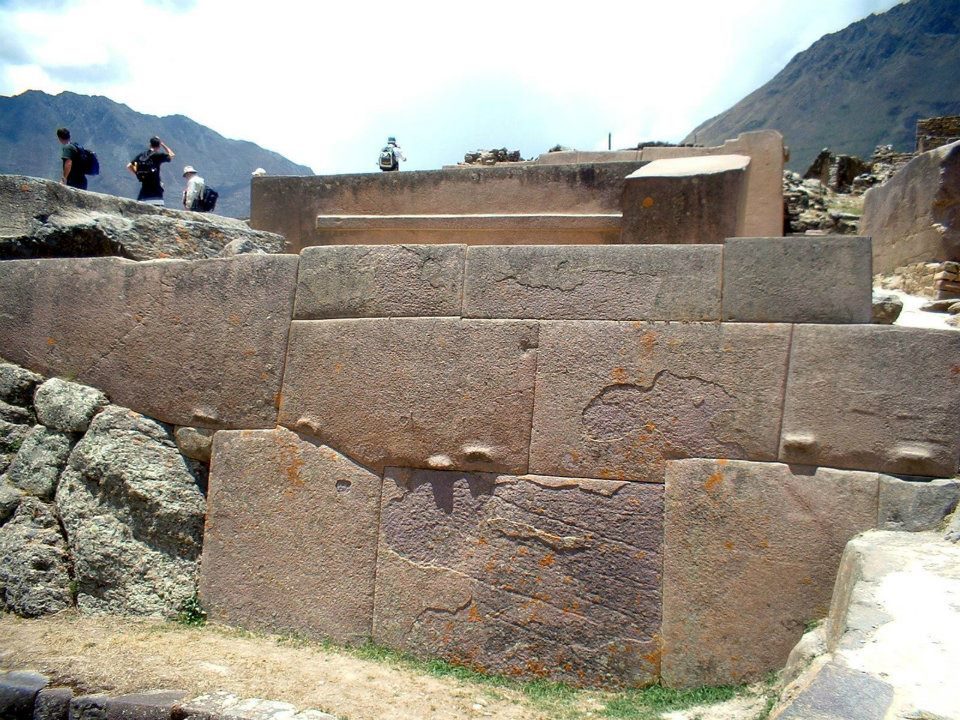
The Wall of the Six Monoliths
The Wall of the Six Monoliths: pink rhyolite hauled from the Kachiqhata quarry, about 4–5 km away across the river.Data: Stone: pink rhyolite · Quarry: Kachiqhata, ~4–5 km · Built: 15th centuryView on Google Maps
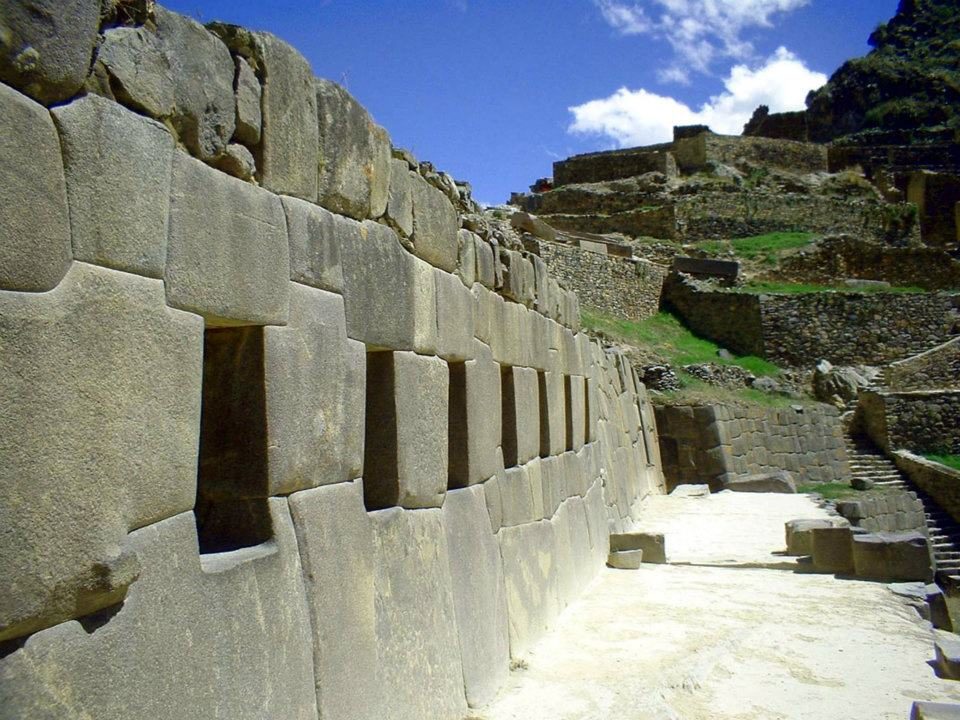
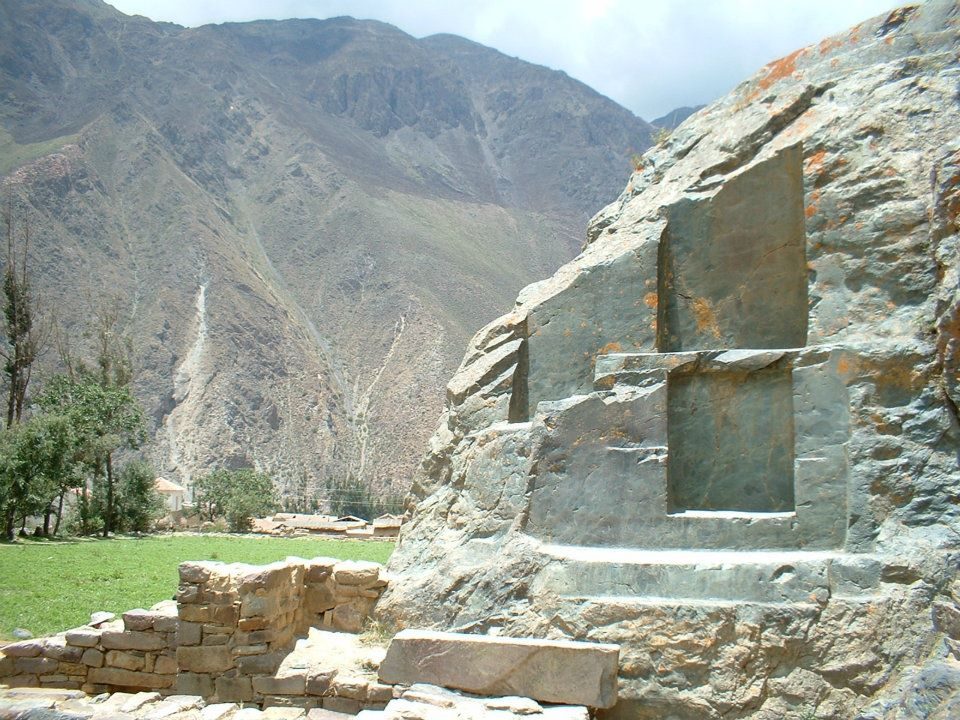
Fitted niches on Temple Hill
Fitted niches on Temple Hill, where Manco Inca defeated a Spanish force in 1537.View on Google Maps
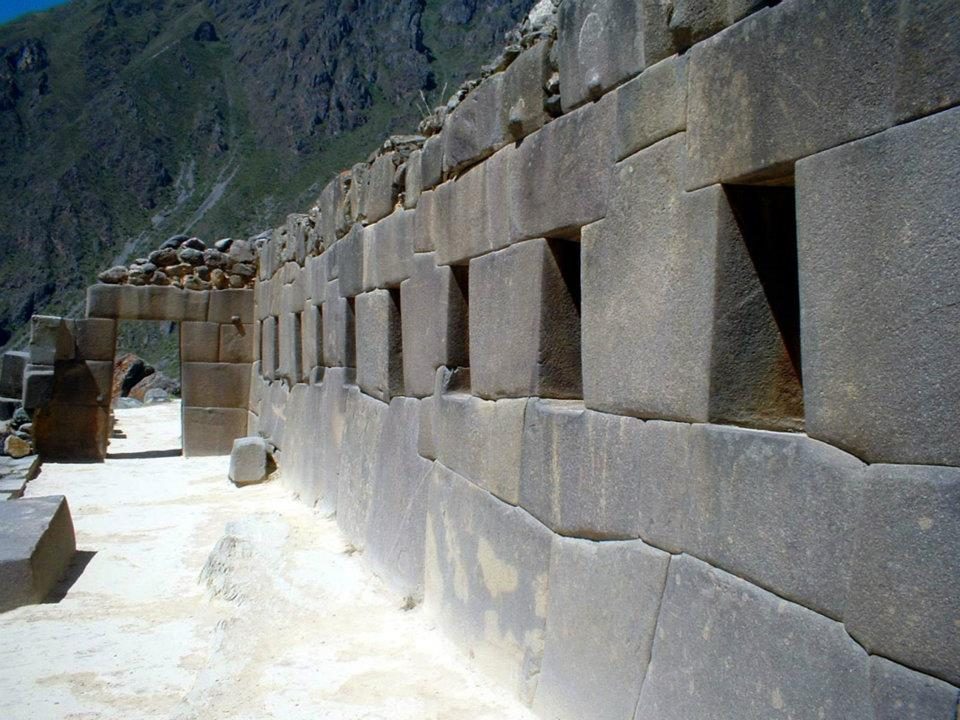
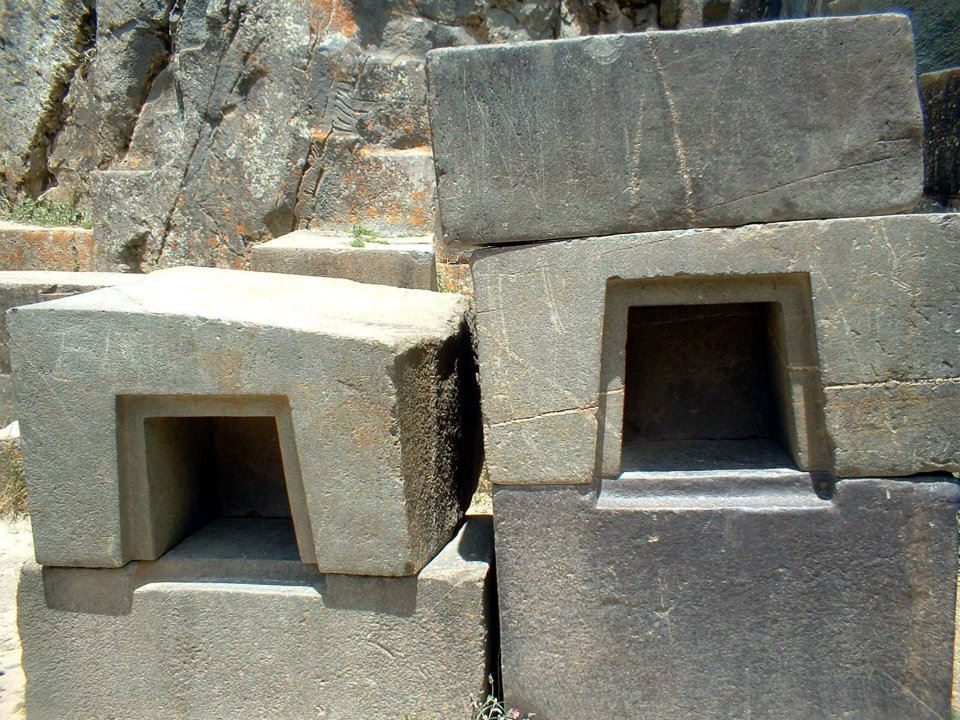
Trapezoidal niches
Trapezoidal niches. In the 1537 battle the Inca flooded the plain below to slow the Spanish cavalry.View on Google Maps
Stepped stonework high on the site
Stepped stonework high on the site; the temple was still being built when the Spanish arrived.View on Google Maps
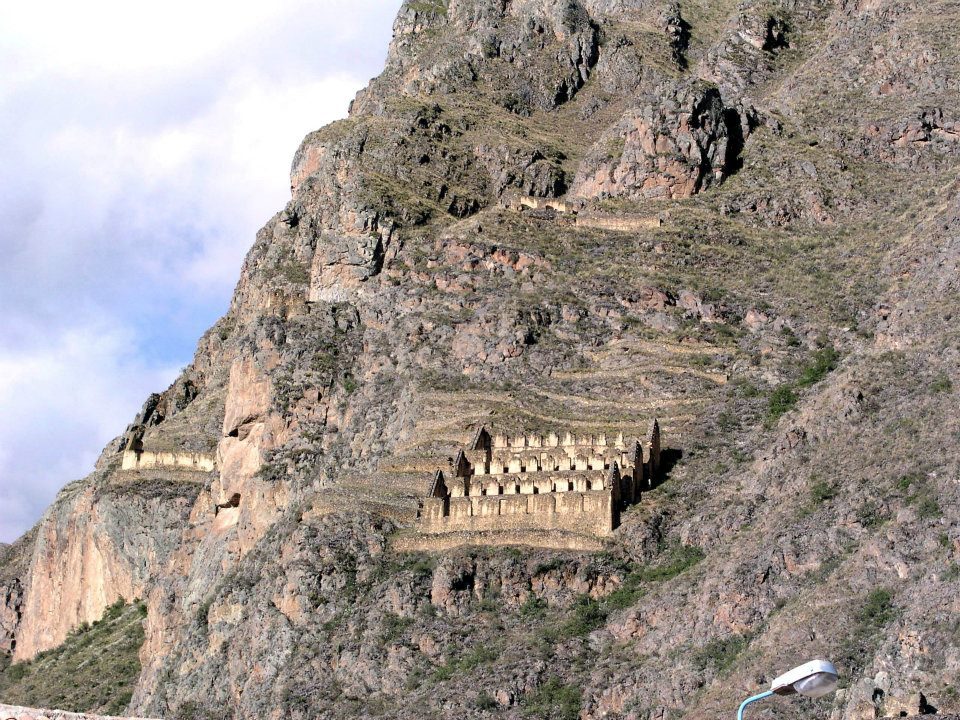
The Pinkuylluna storehouses opposite
The Pinkuylluna storehouses opposite: high, windy and cold, a natural way to keep food fresh.View on Google Maps
The Pinkuylluna storehouses on the slope opposite the town of Ollantaytambo
The Pinkuylluna storehouses on the slope opposite the town of Ollantaytambo: high, windy and cold, a natural way to keep food fresh.View on Google Maps
Fine joints
Fine joints. Thin strips of stone fill the gaps between the Six Monoliths.View on Google Maps
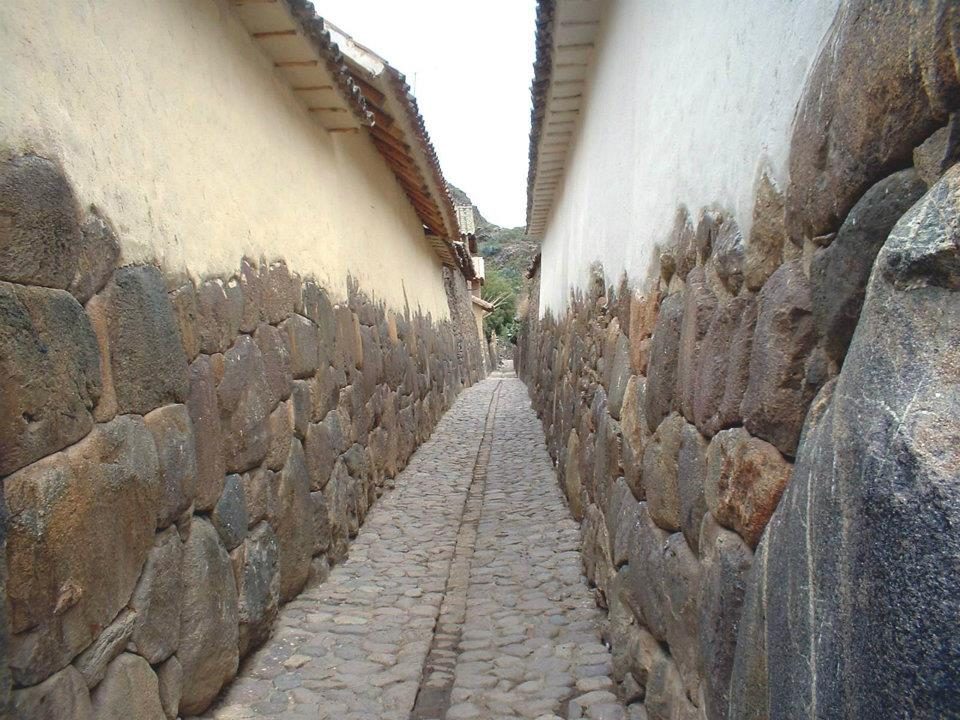
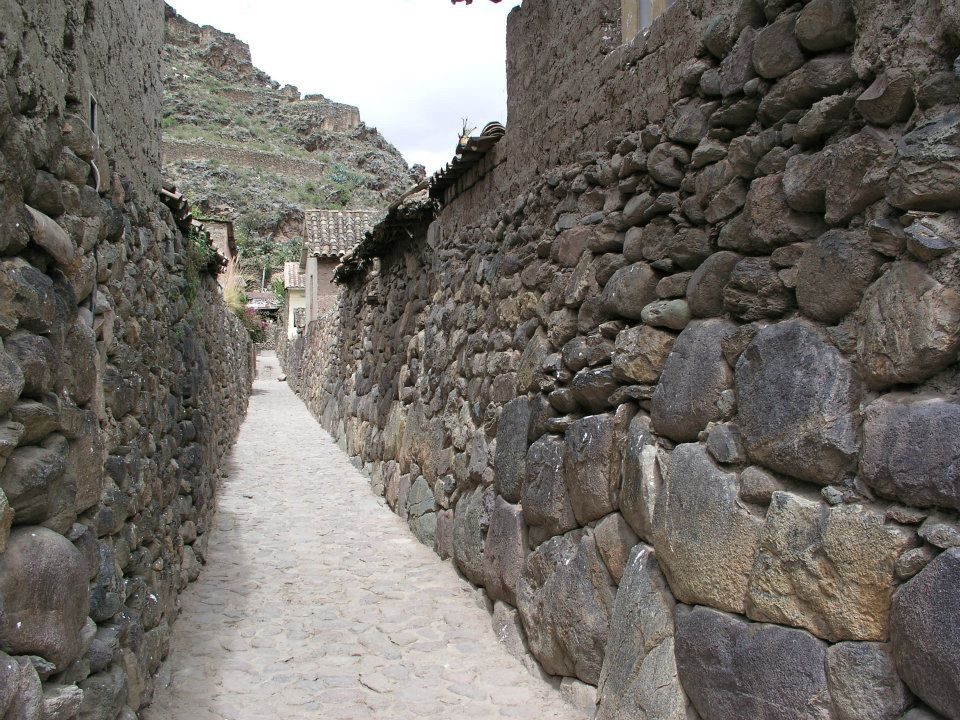
An Inca lane in town
An Inca lane in town. Ollantaytambo is often called the oldest continuously inhabited town in South America.View on Google Maps
Carved blocks
Carved blocks. Abandoned "tired stones" lie along the ramp from the quarry, left in transit.View on Google Maps
Precisely cut niches
Precisely cut niches. Jean-Pierre Protzen studied the ramps and tools used here.View on Google Maps
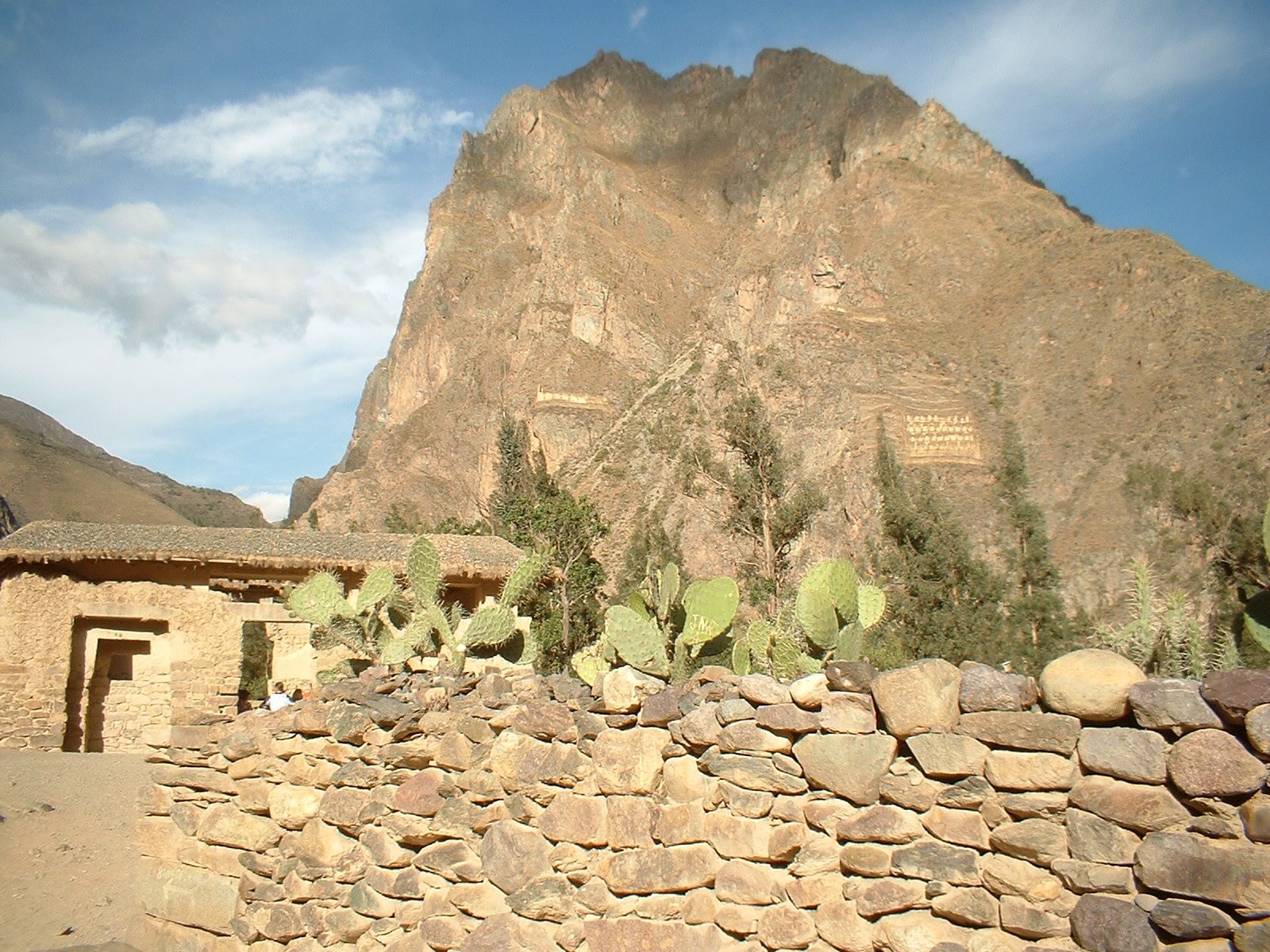
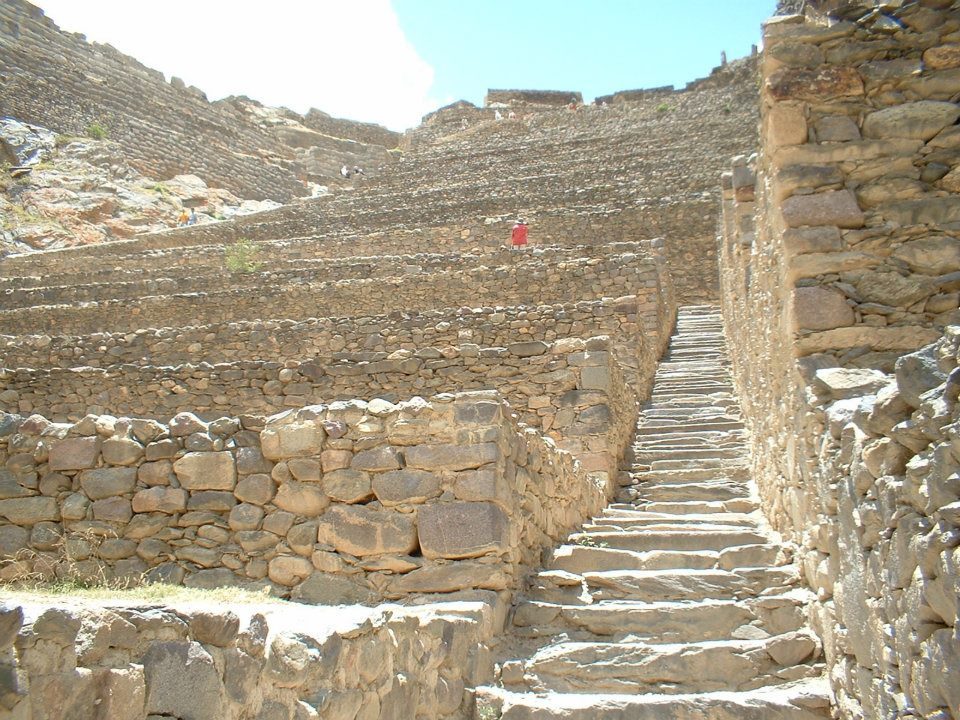
Terraces climbing Temple Hill at Ollantaytambo (about 2,792 m), some 72 km by road from Cusco
Terraces climbing Temple Hill at Ollantaytambo (about 2,792 m), some 72 km by road from Cusco. Blocks for the temple were hauled up a ramp from the Kachiqhata quarry across the river.View on Google Maps
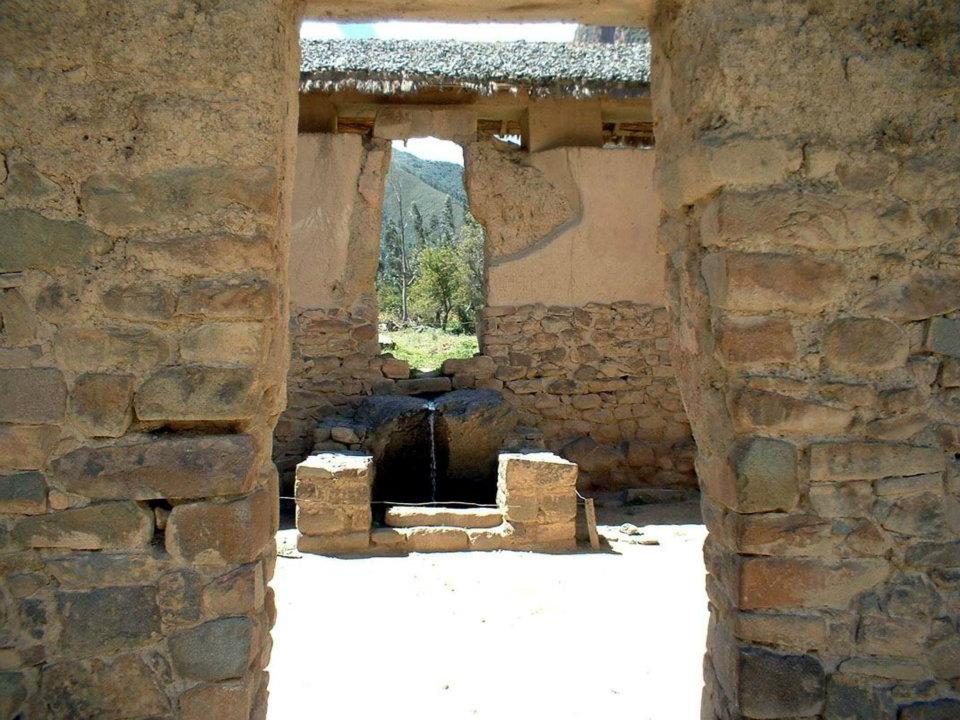
A doorway in the upper sector
A doorway in the upper sector. Inca doorways lean inward, which helps them stand through earthquakes.View on Google Maps
Large blocks near the top
Large blocks near the top. The heaviest blocks here are estimated at roughly 50–100 t; the site was never finished.View on Google Maps
Stone walls in town
Stone walls in town, which still follows its Inca street plan of walled blocks (canchas).View on Google Maps
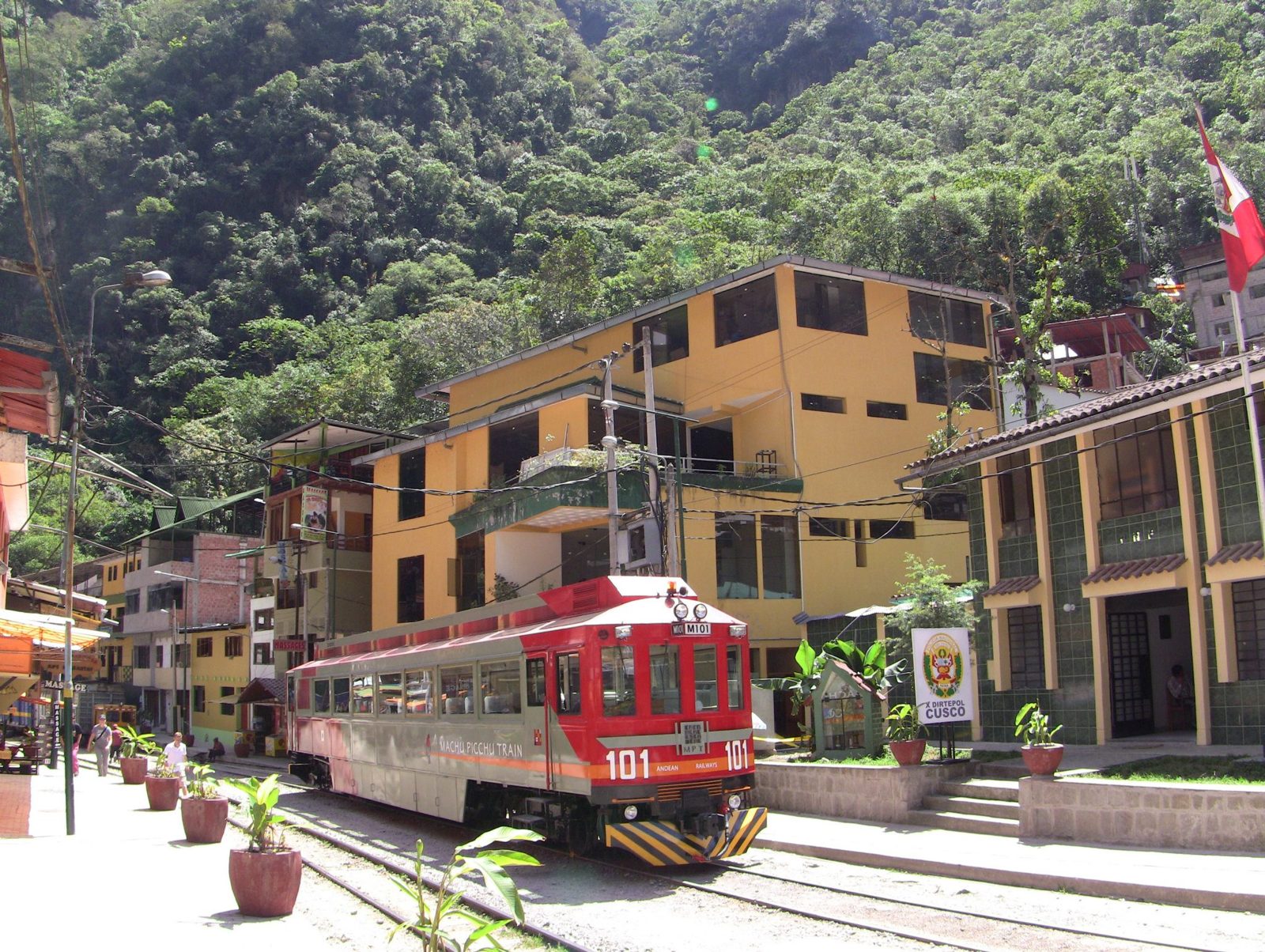
The train station
The train station: from here the railway follows the Urubamba toward Machu Picchu.View on Google Maps
Visitors on the Temple Hill terraces
Visitors on the Temple Hill terraces; the walls are fitted without mortar.View on Google Maps Photo: Jani Korpi, CC BY-SA 3.0, Wikimedia Commons