Huge pink stones lie abandoned on the road from a quarry on the other side of the river.
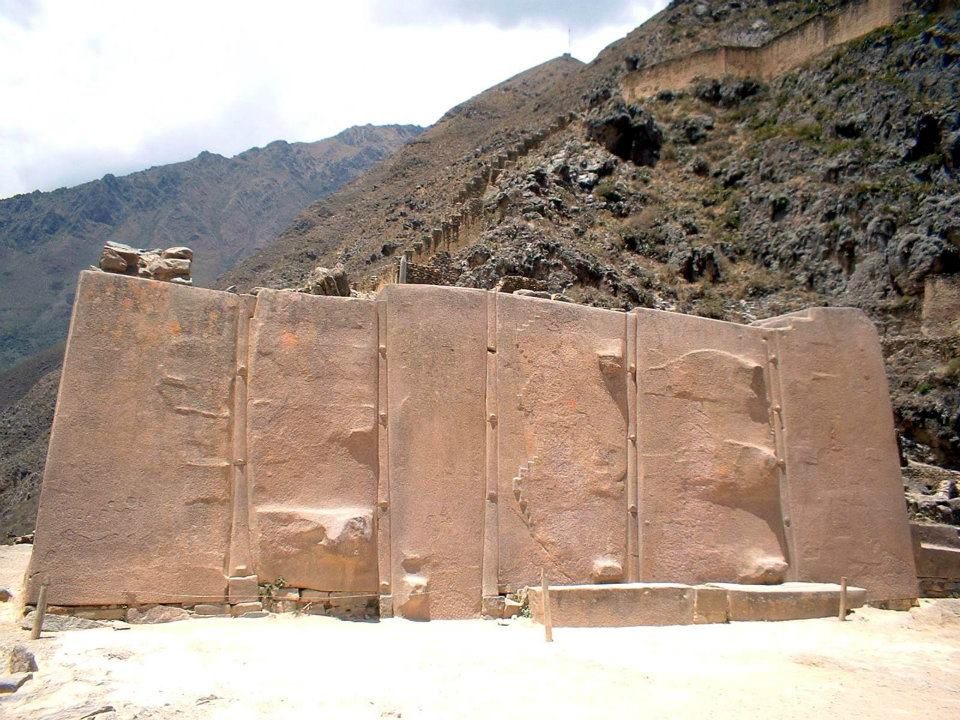
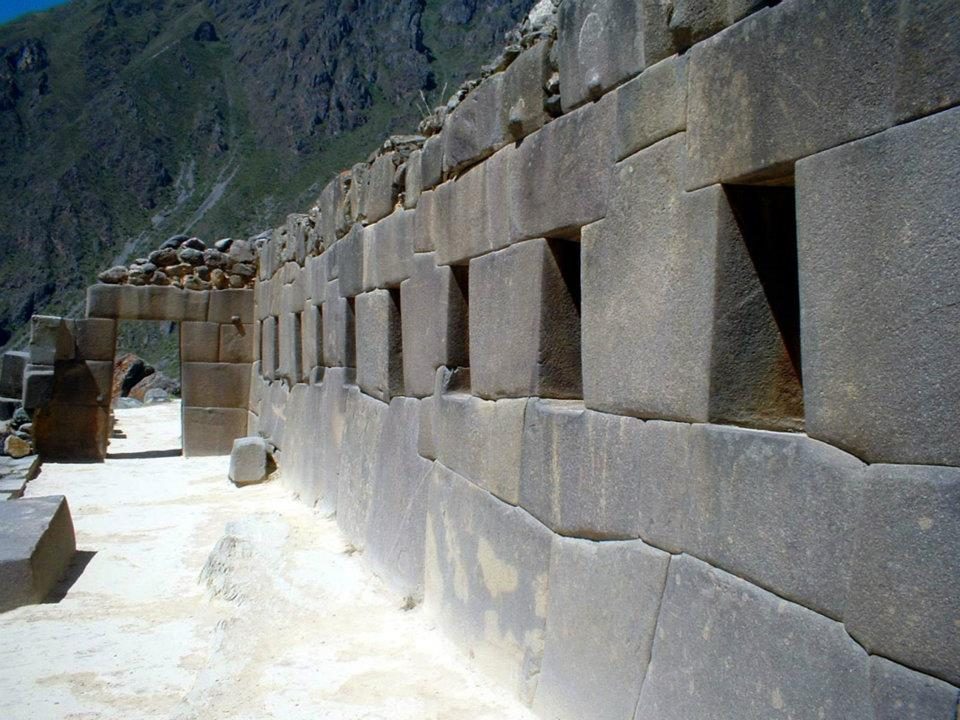
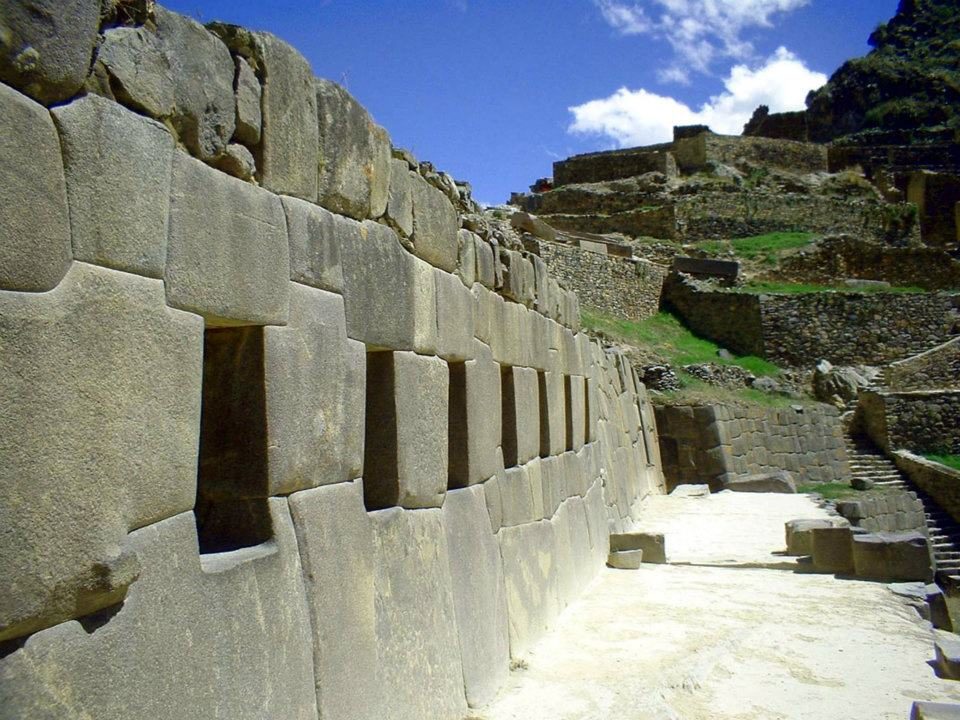
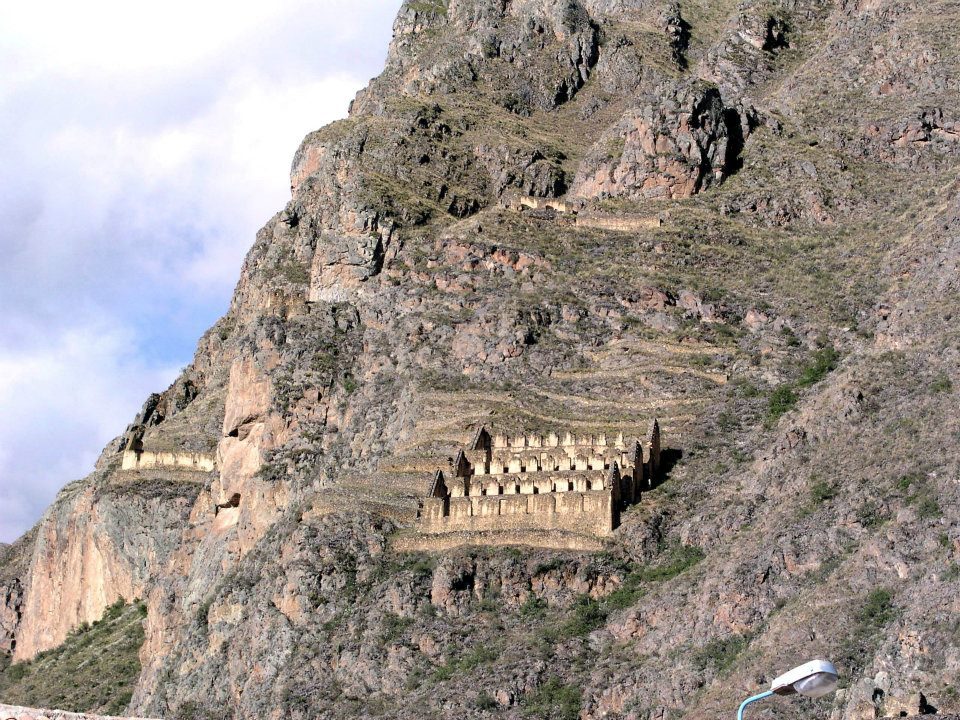
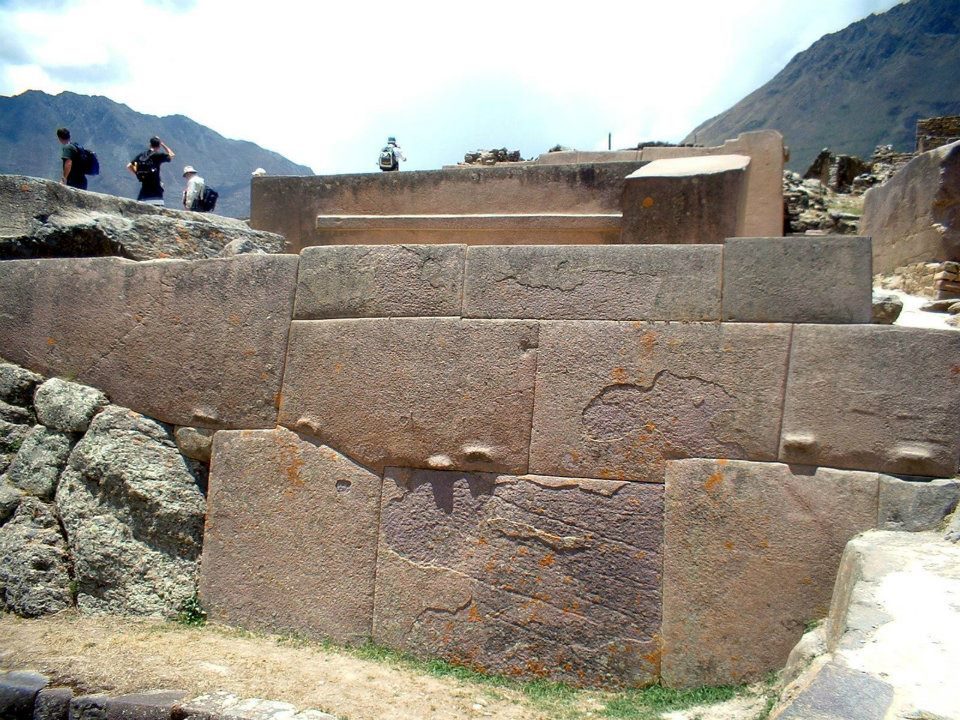
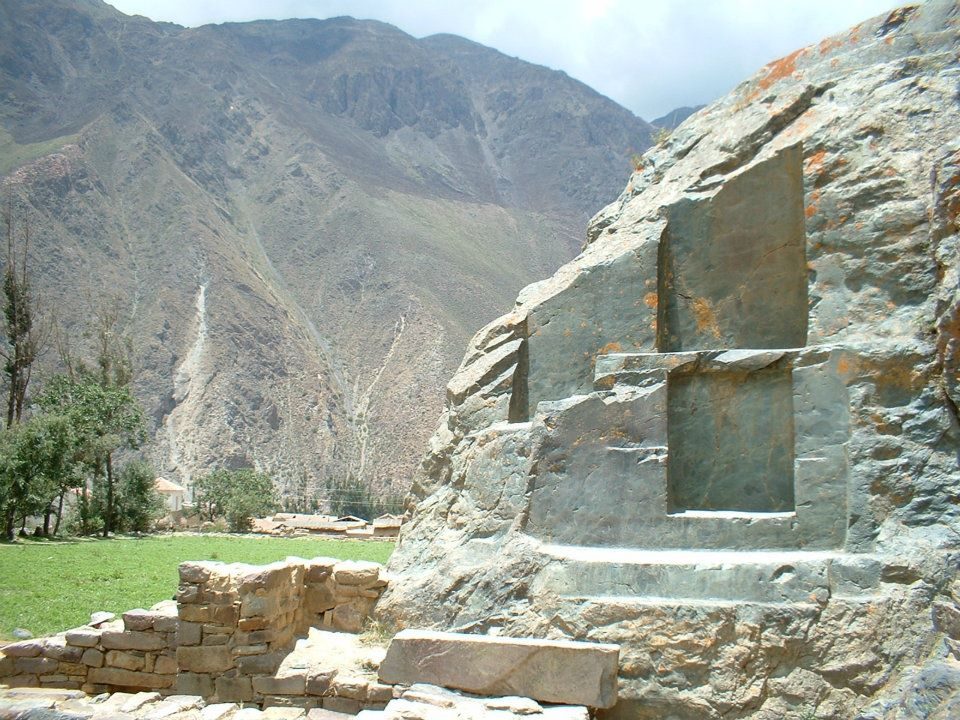
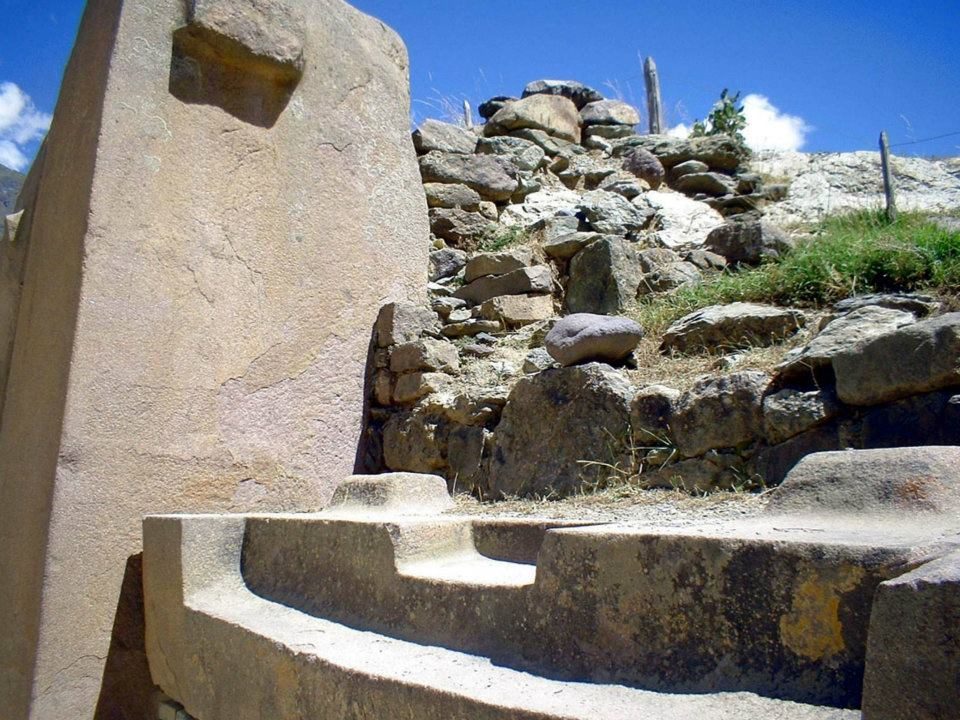
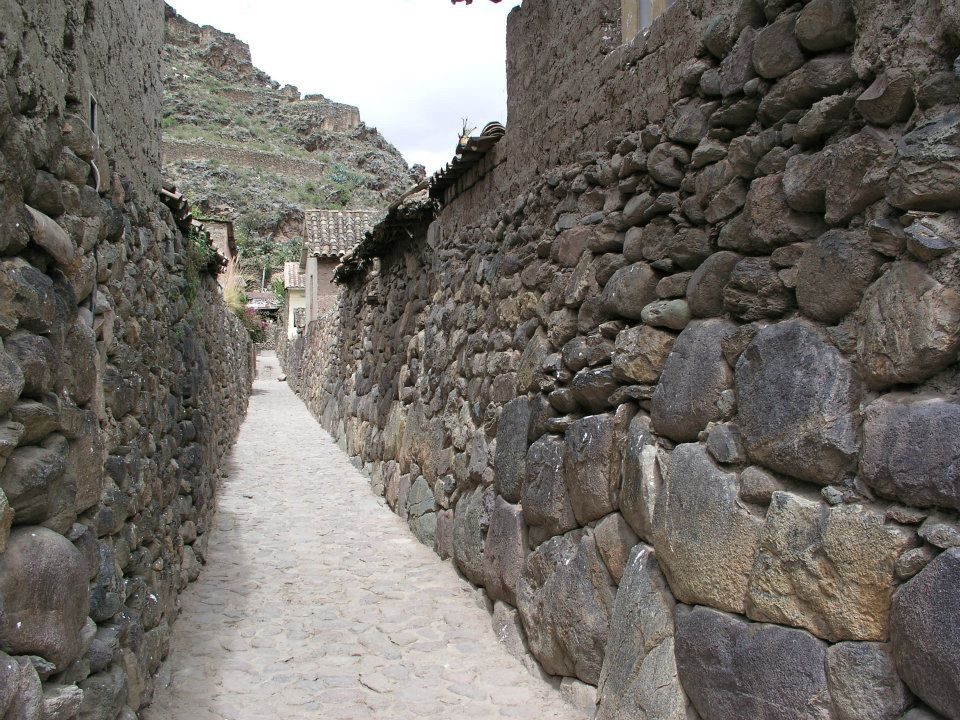
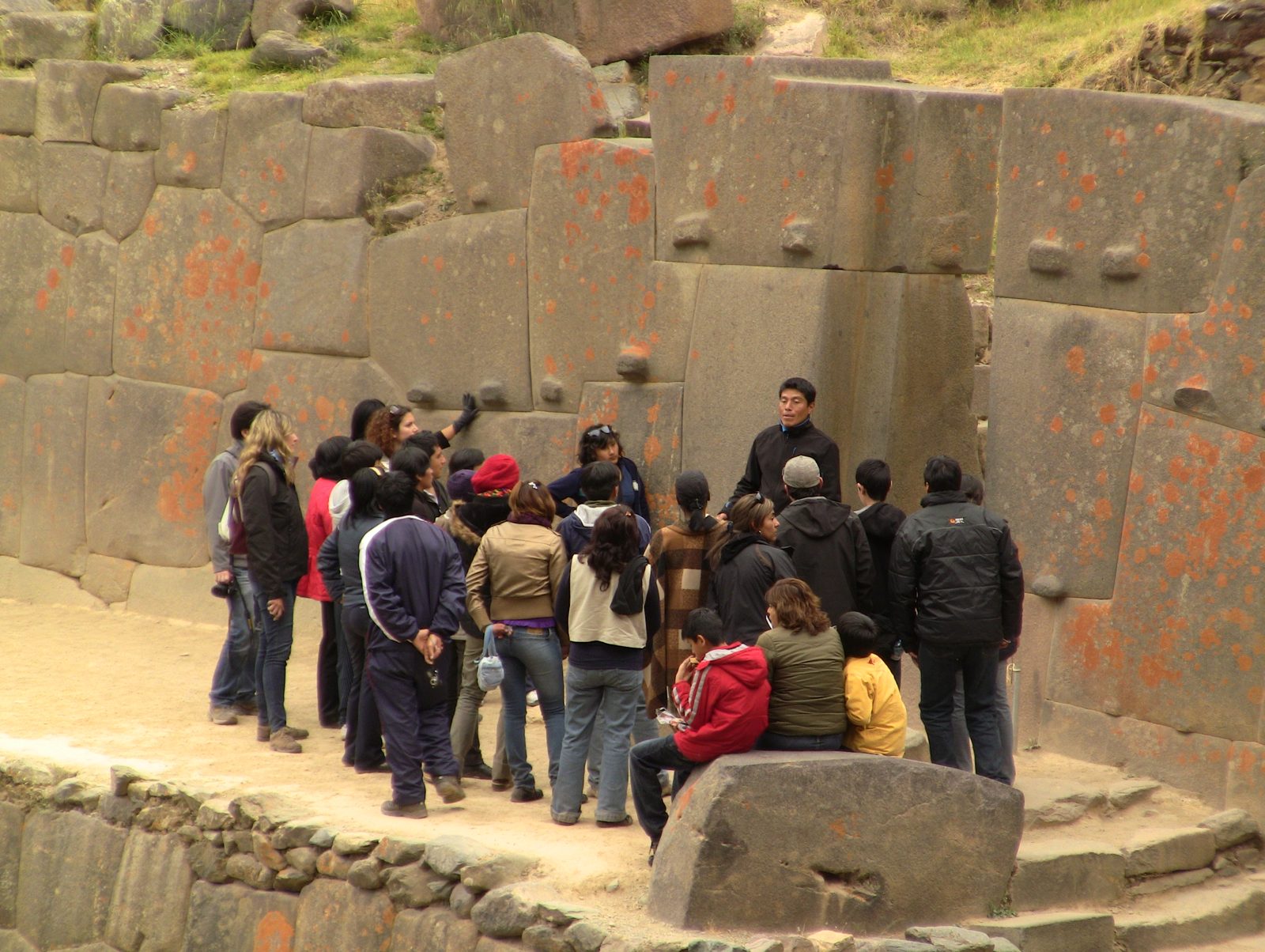
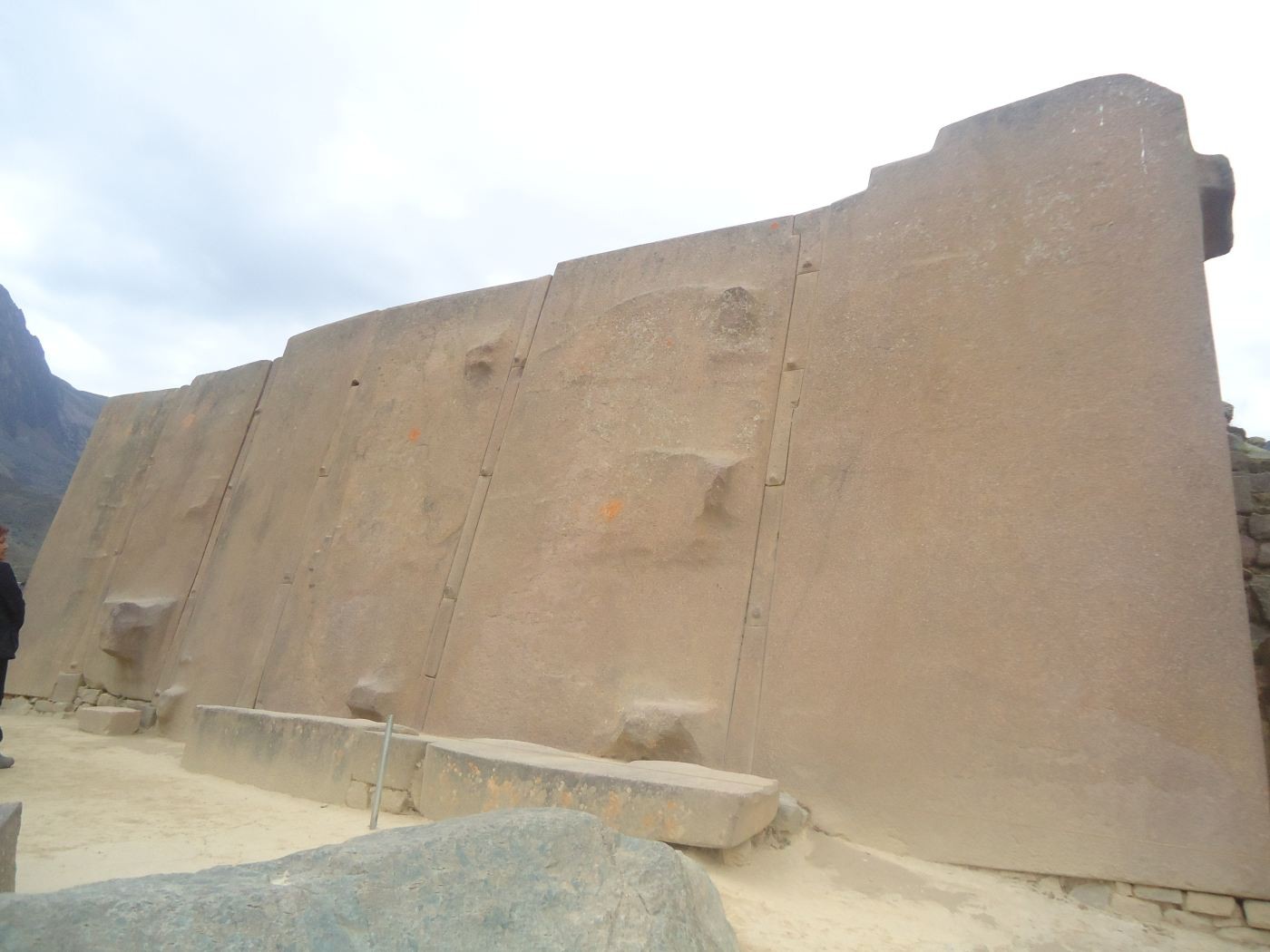
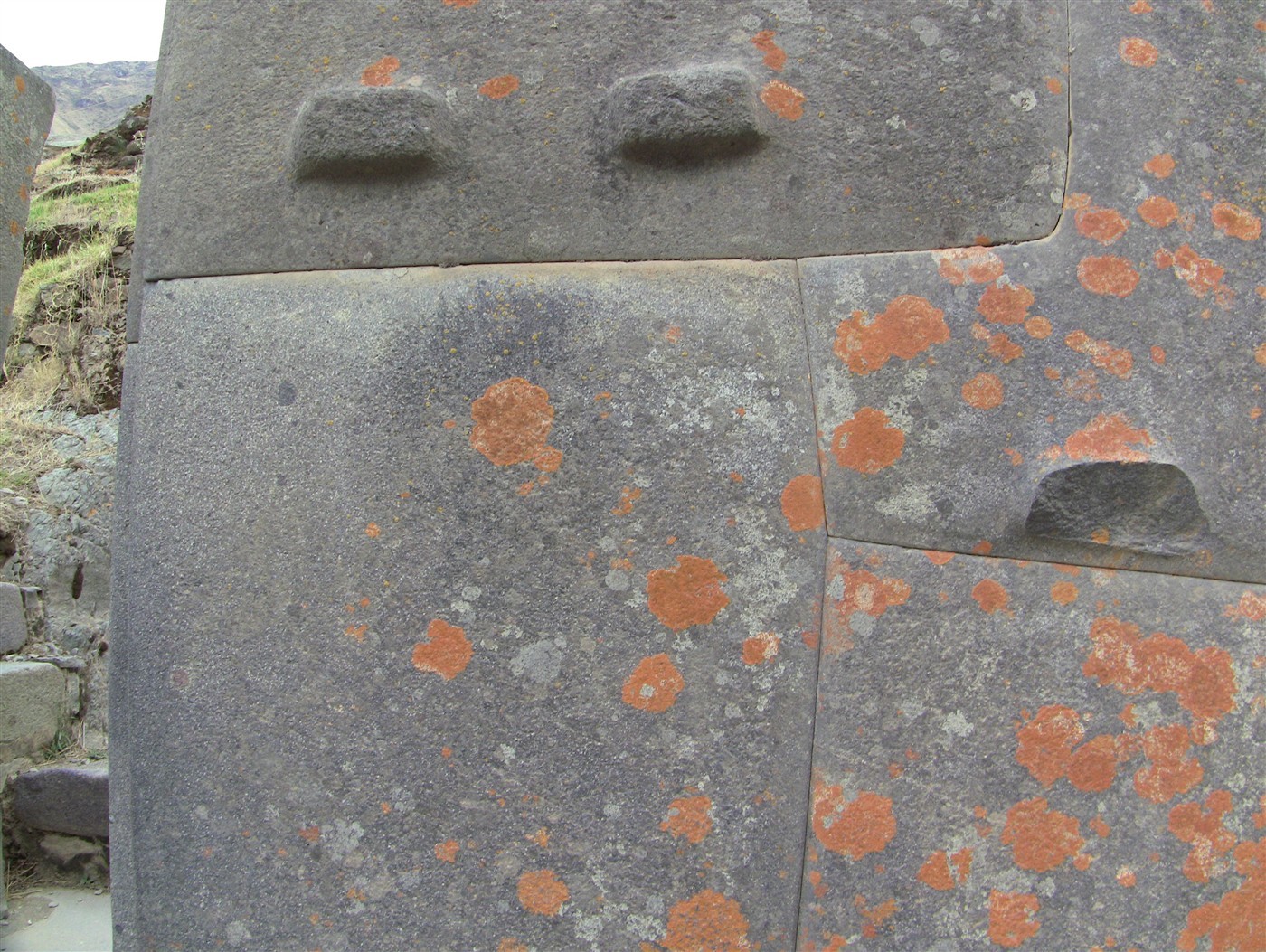
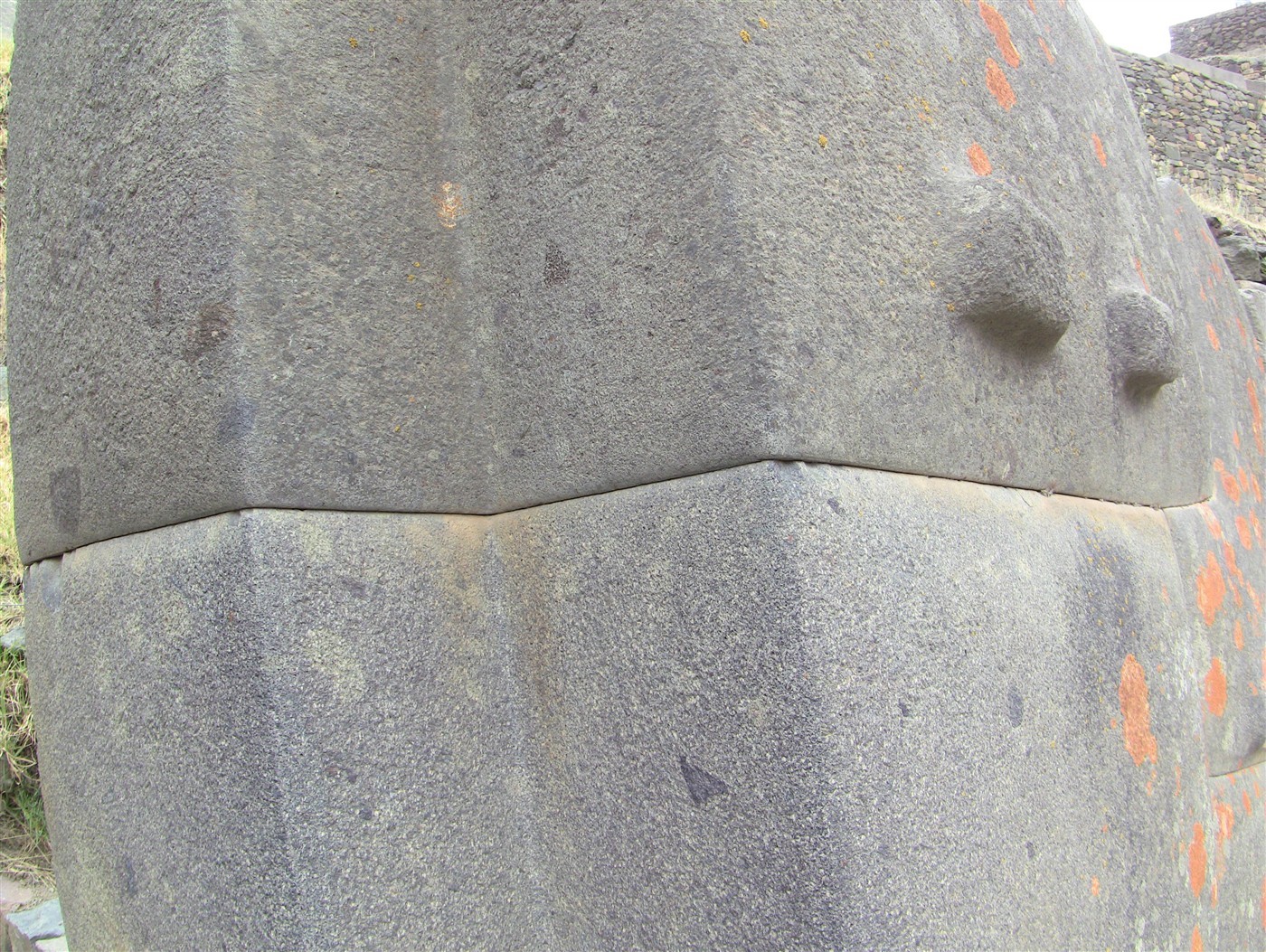
Ollantaytambo is one of the few Inca towns still lived in on its original street grid. Above it rises a temple-fortress built mainly under Pachacuti and left unfinished when the Spanish arrived. Its Wall of the Six Monoliths is made of pink rhyolite hauled from the Kachiqhata quarry across the Urubamba; archaeologist Jean-Pierre Protzen studied the ramps and tools used.
But... researchers estimate the rough and refined stonework belong to Inca phases; some enthusiasts ask whether they are separate, much older building phases.
Why carry stones across a river when there is rock on this side?
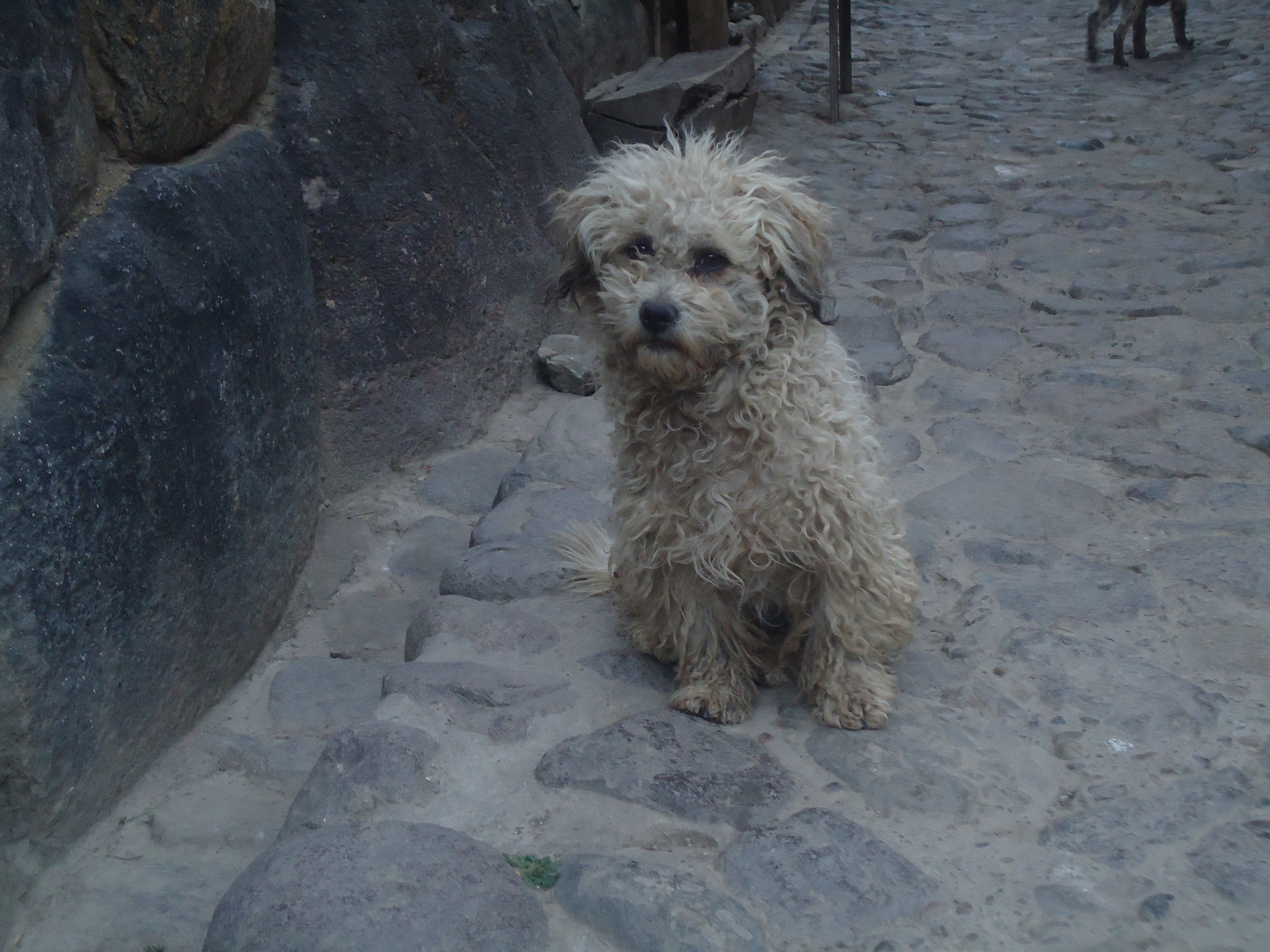
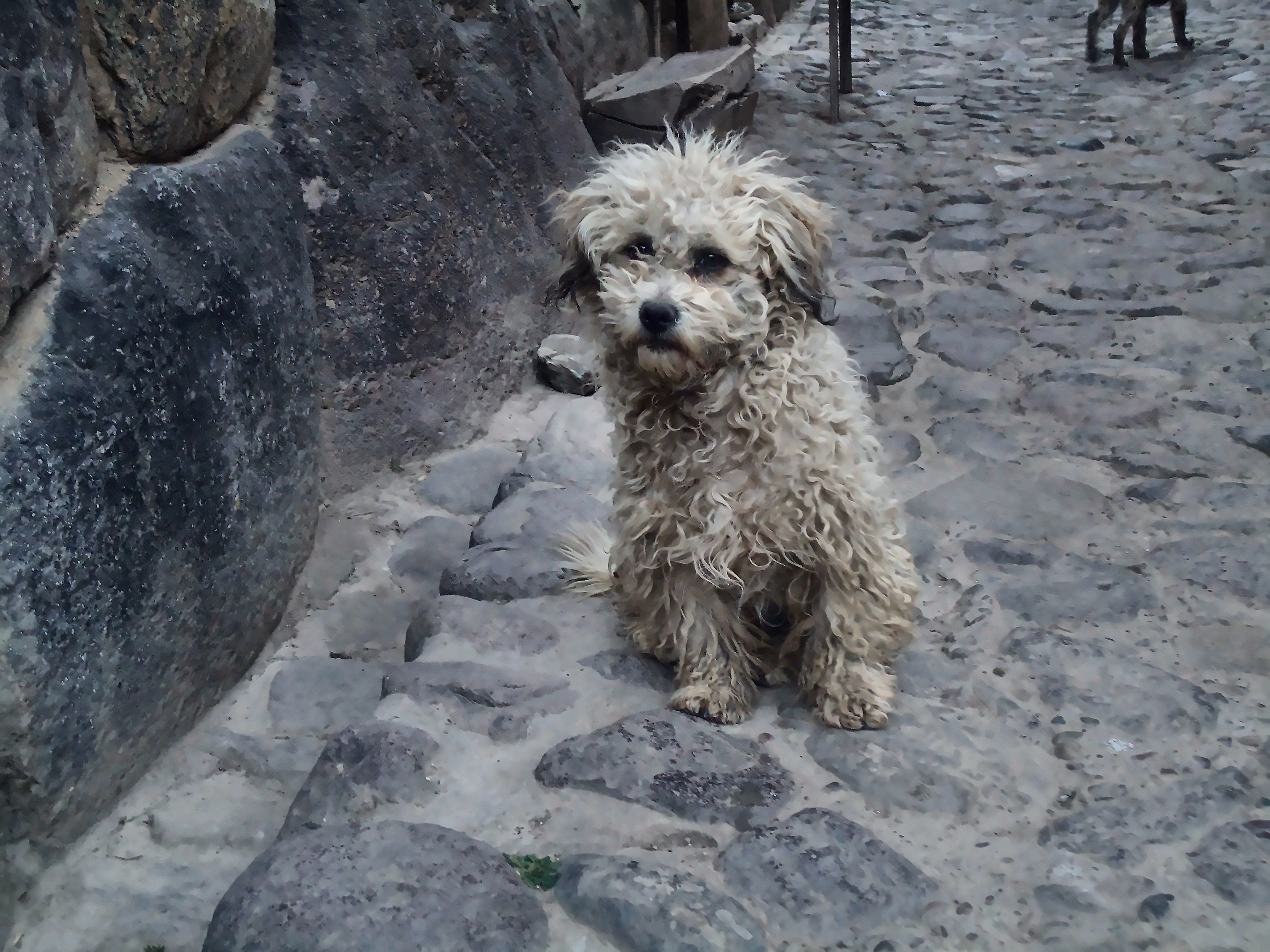
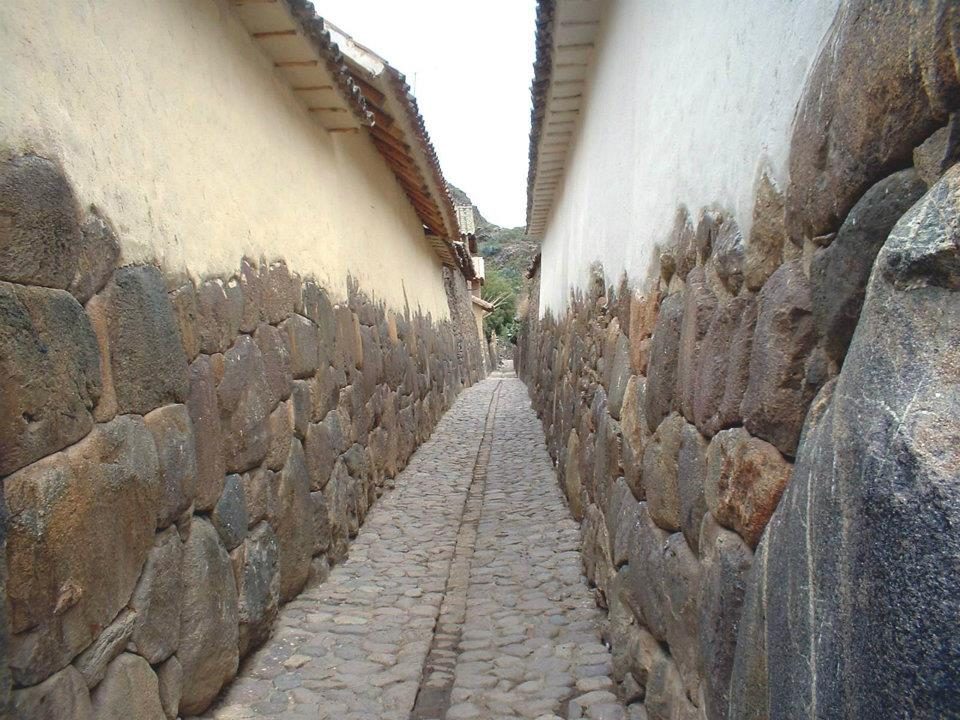
Evening. We walked the ancient stone streets of the village as it grew dark. A small, dirty, white poodle followed us. It did not trail behind like street dogs do; it kept appearing at the end of the maze-like street, sat down and stared. The third time we went up to it. It only turned its head and stared. I did not dare touch it; I thought of rabies. It felt more like a robot than a dog.
A small white poodle-like dog on a stone lane in Ollantaytambo, 20 August 2011, 17:30 (camera timestamp). Photo: Jani Korpi. The photo has only been resized.Enhanced version (colour, sharpness, resolution); the content has not been changed.
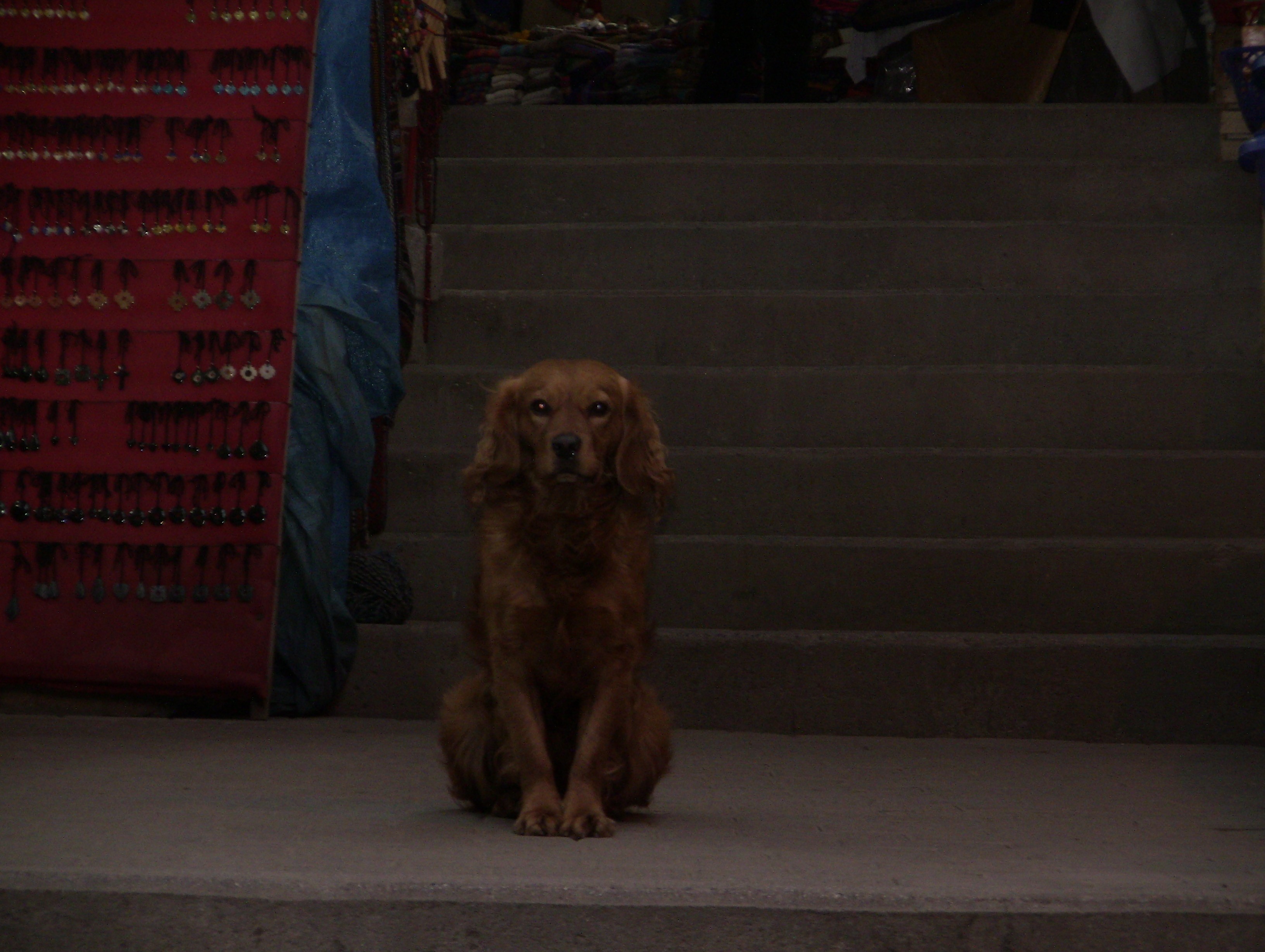
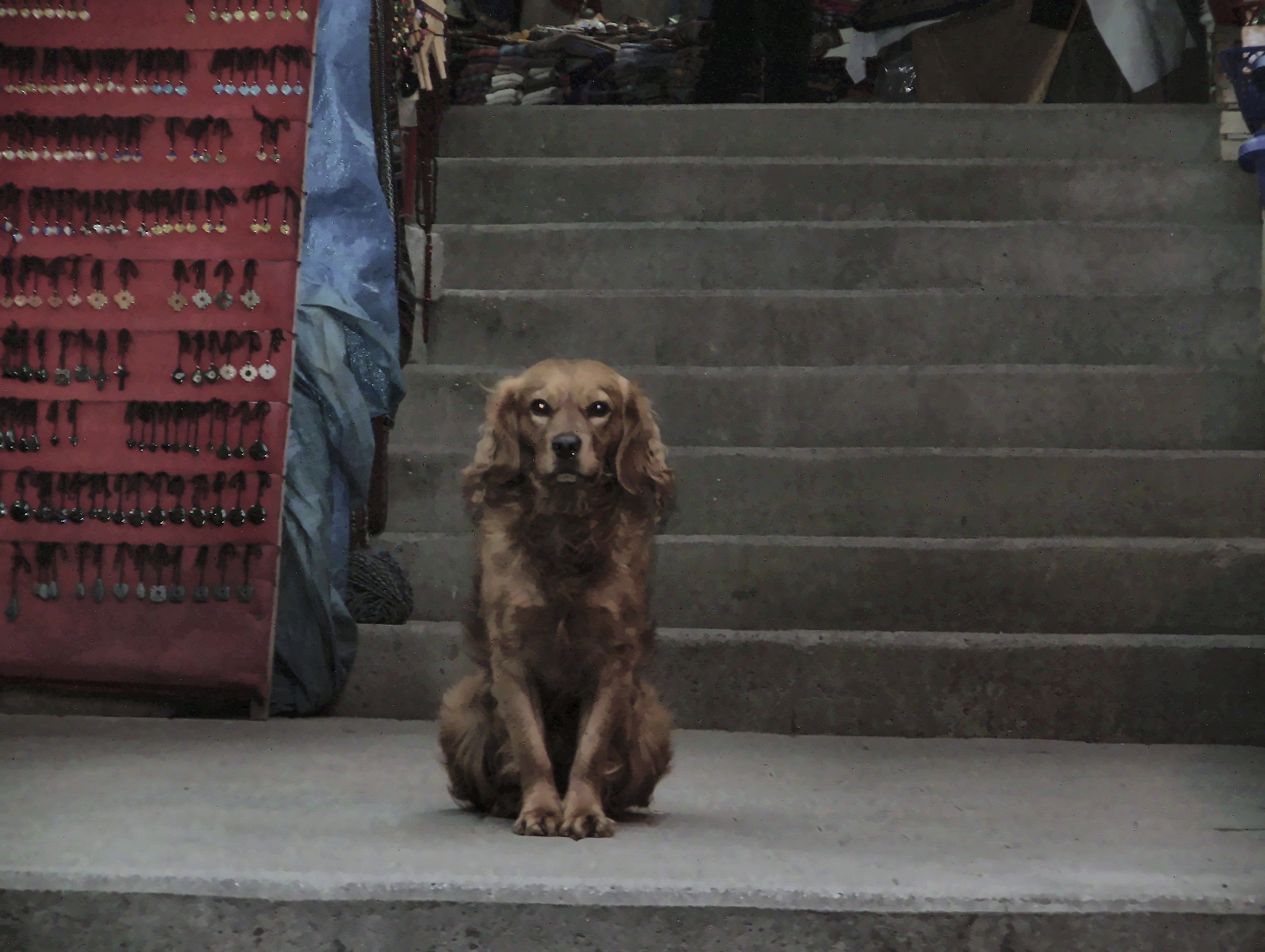
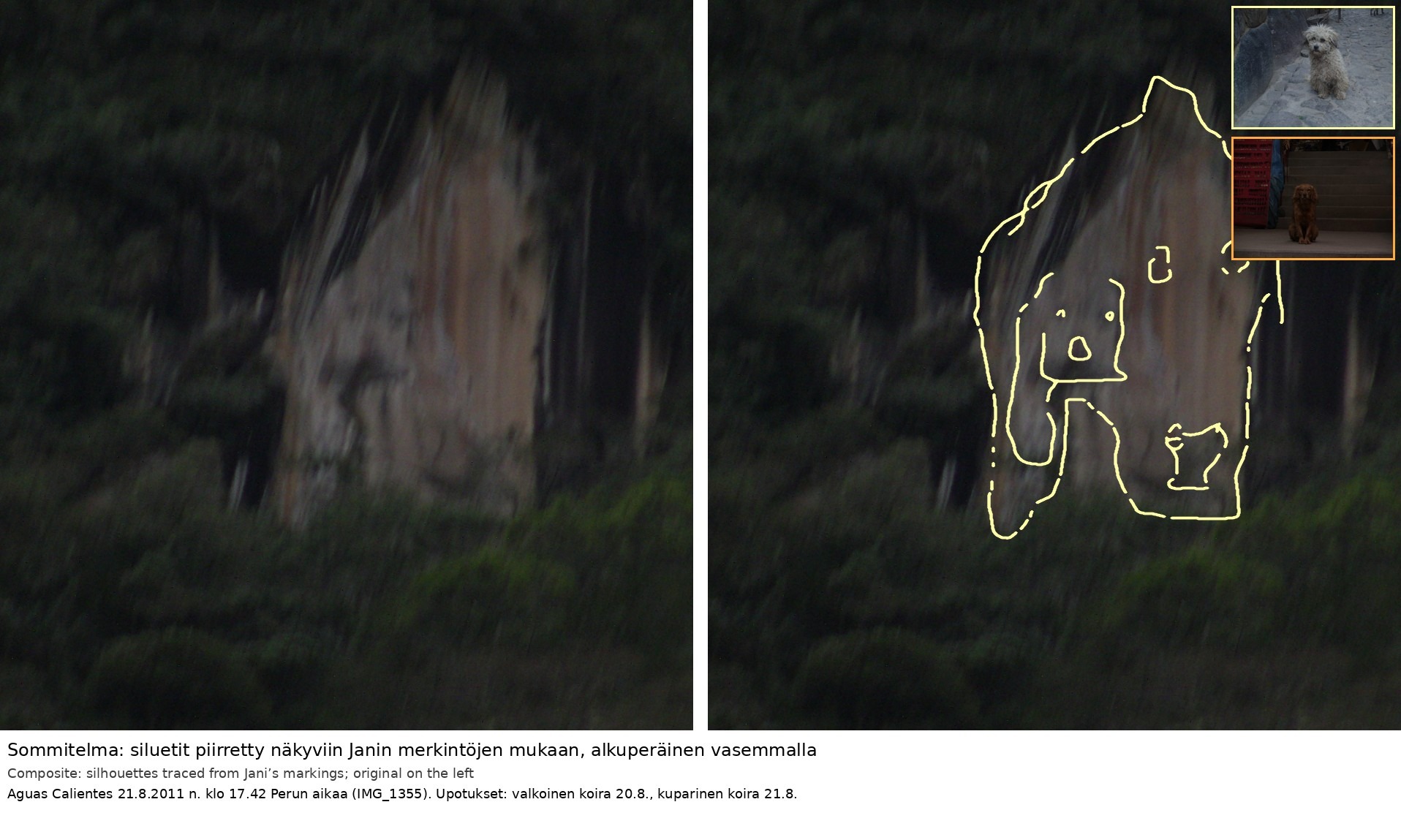
The next day, on the evening of 21 August 2011, we were in Aguas Calientes at the foot of Machu Picchu. I was photographing the bare patches of the mountains with a telephoto lens, because I thought I saw consistent patterns in them. I made out the silhouette of a dog on the mountainside and told Gianina that yesterday’s dog was up there. Gianina looked and said: “That’s not the dog. That dog is right there next to you.” She pointed at a copper-coloured stray sitting on the stairs and staring in the same way, proud as royalty. When I tried to stroke it, it left, and we never saw it again. The photos are timestamped at about 17:42–17:44 Peru time.
The copper-coloured dog on the stairs in Aguas Calientes, 21 August 2011, about 17:43 Peru time (the video camera’s clock was 8 hours ahead). Photo: Jani Korpi. The photo has only been resized.Enhanced version (colour, sharpness, resolution); the content has not been changed.The mountain peak and the bare, triangle-shaped patch of rock below it, Aguas Calientes, 21 August 2011, about 17:44 Peru time. Photo: Jani Korpi. The photo has only been resized.Enhanced version (colour, sharpness, resolution); the content has not been changed.The same bare patch of rock, closer, about 17:42 Peru time. Photo: Jani Korpi. The photo has only been resized.Enhanced version (colour, sharpness, resolution); the content has not been changed.Composite, not an original photo: the dog silhouettes are traced from Jani’s markings, with the original image on the left (Aguas Calientes, 21 August 2011, about 17:42 Peru time). In the corner, small pictures of the white dog (20 August) and the copper-coloured dog (21 August). S The silhouettes are Jani’s own interpretation of the rock patch.
A month later, in Finland, I showed the photos to my parents. S My mother looked at the triangular bare patch on the mountain and said that both dogs were there as silhouettes. Now I saw them too.
L My mother added fuel to the tinfoil-hat fire: her sister, a teacher, had read that the ancient gods left dogs to watch over important places and people.
I cannot say whether that is so.
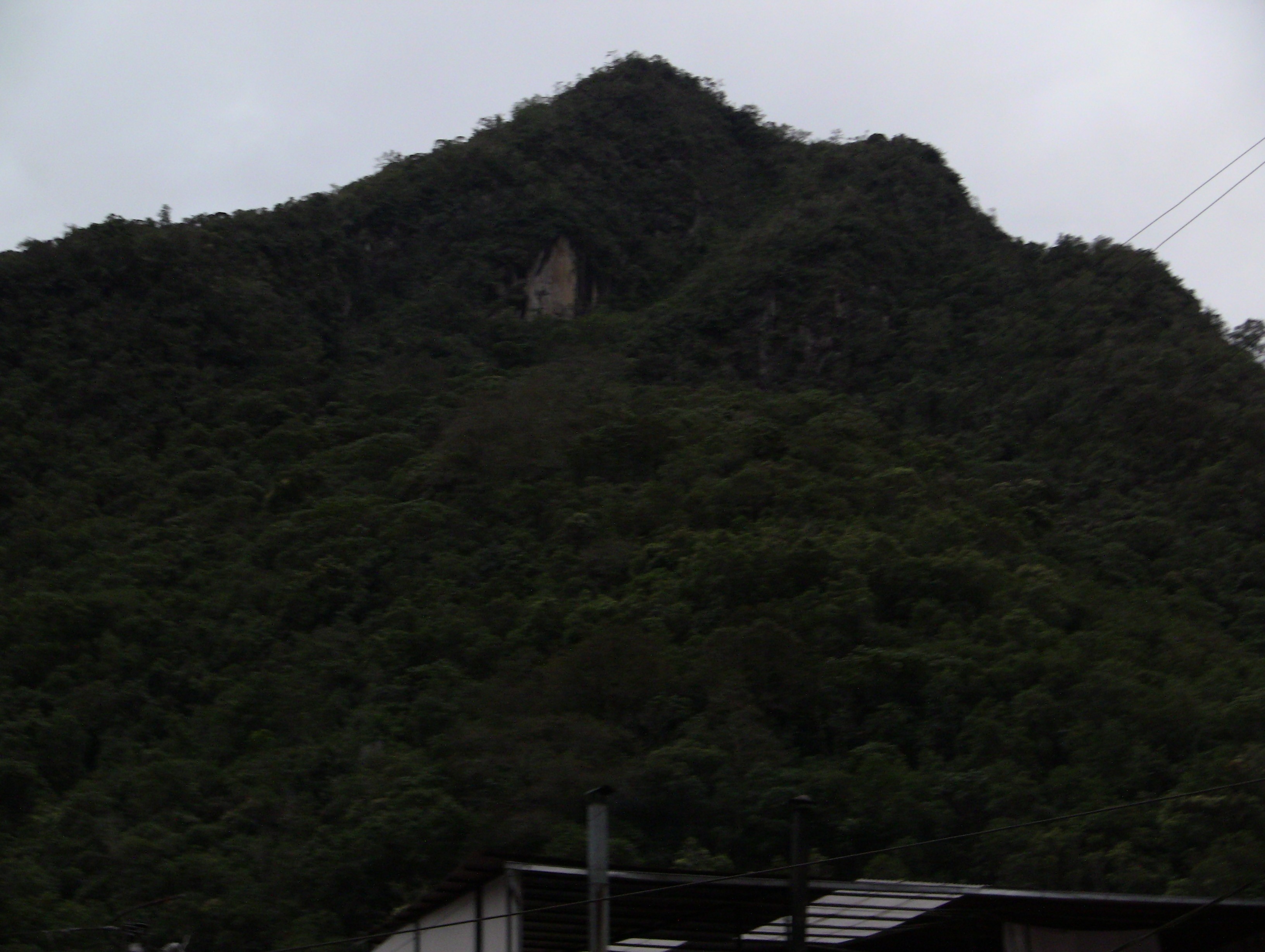
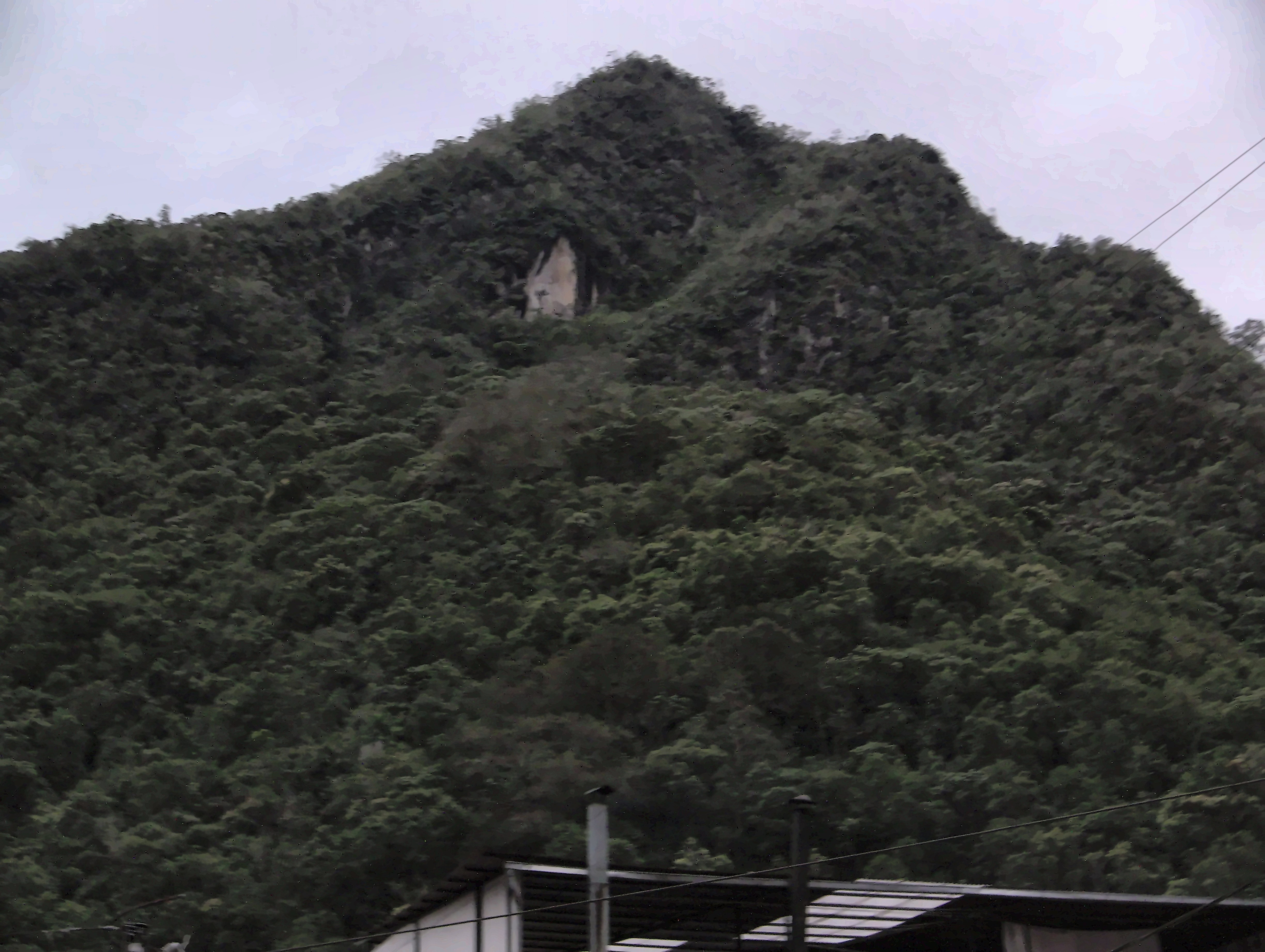
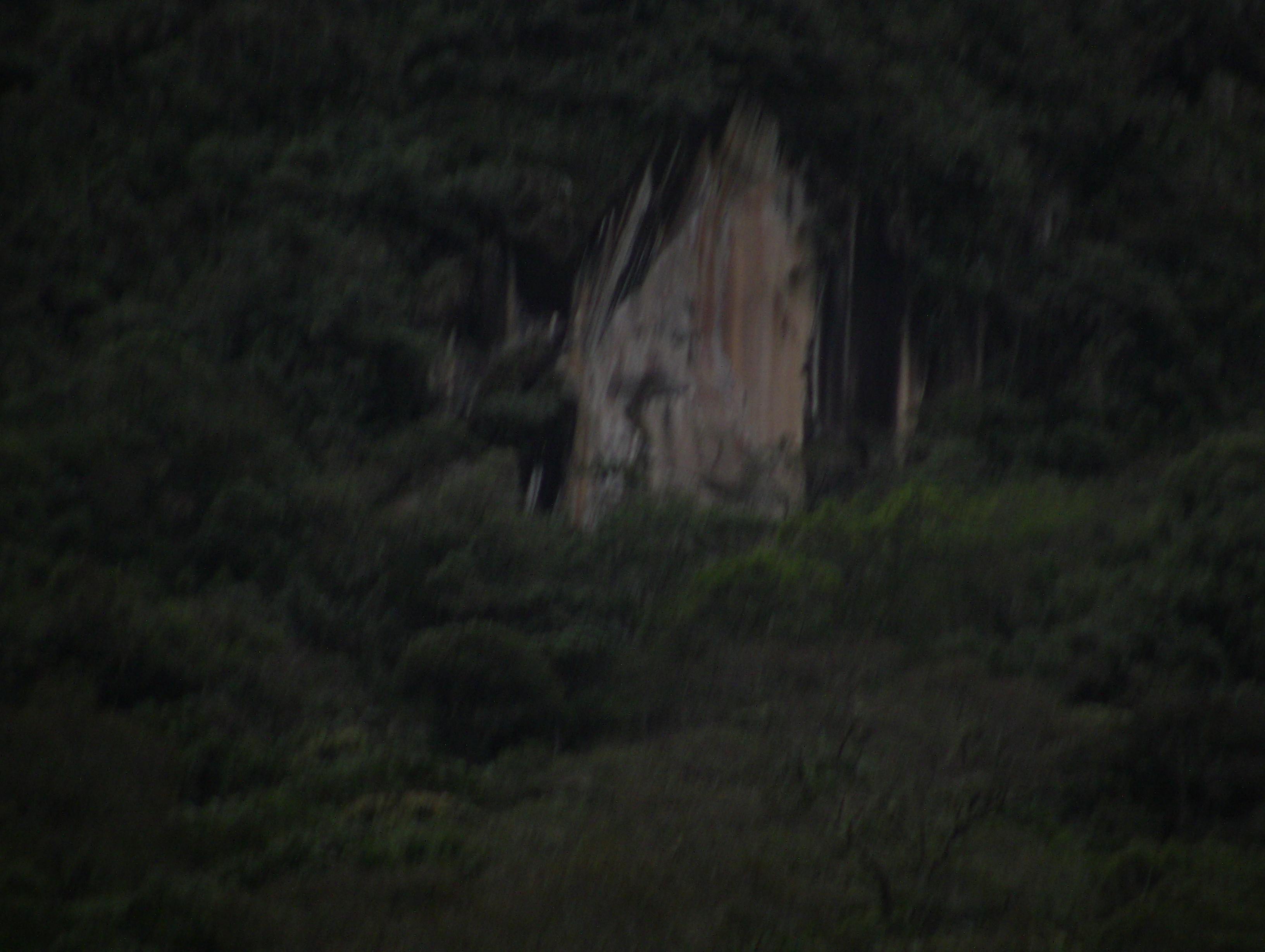
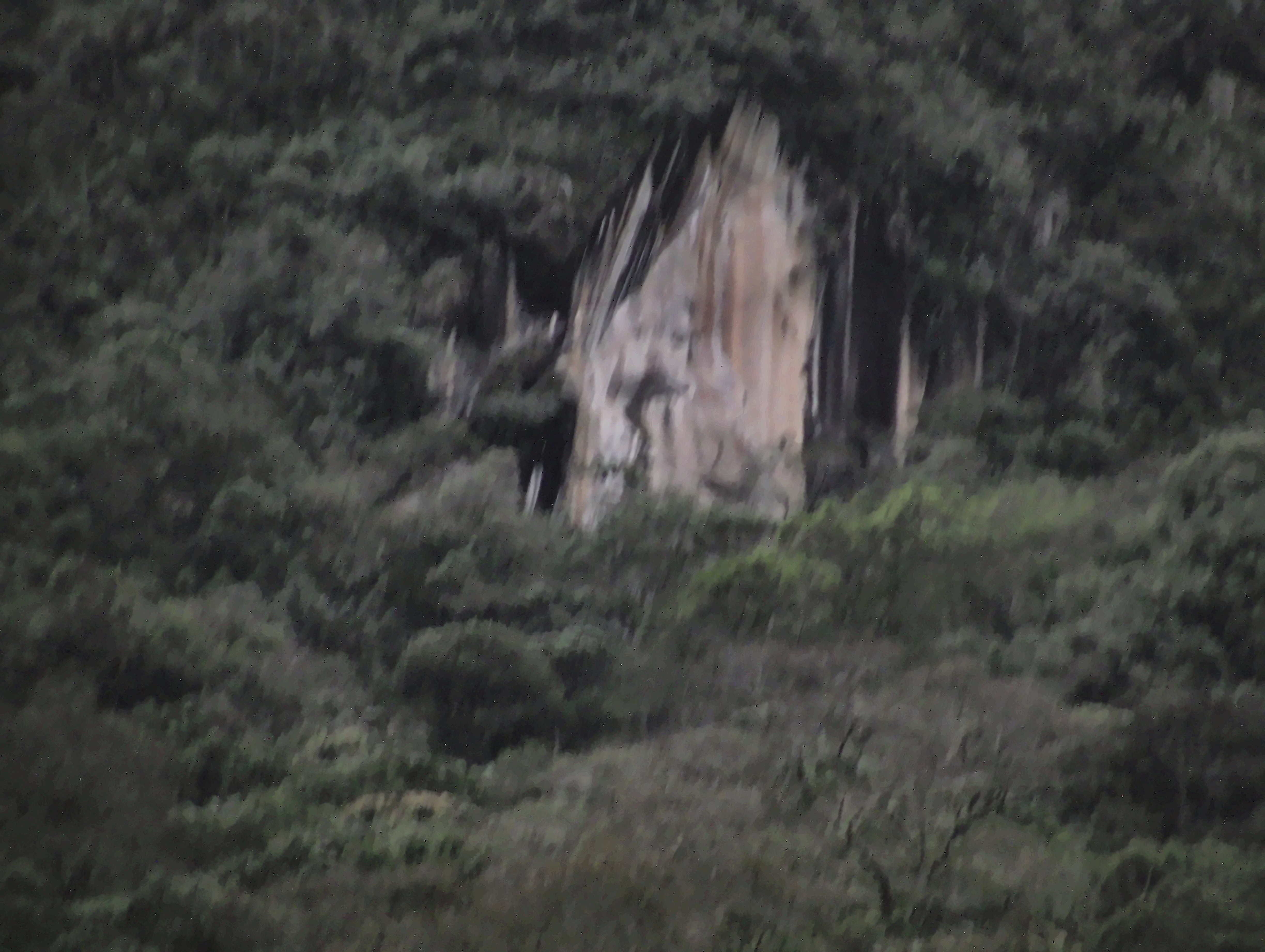
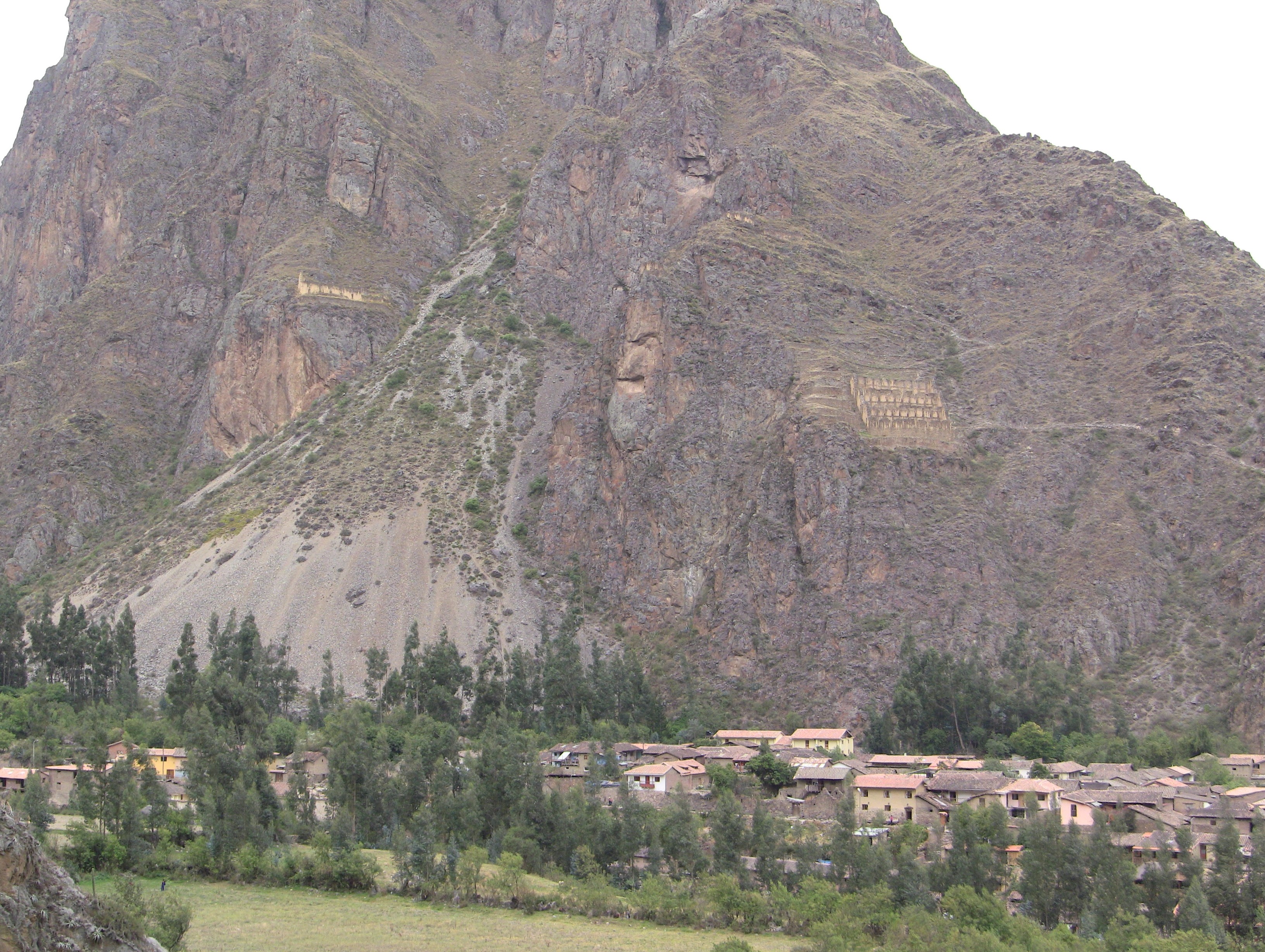
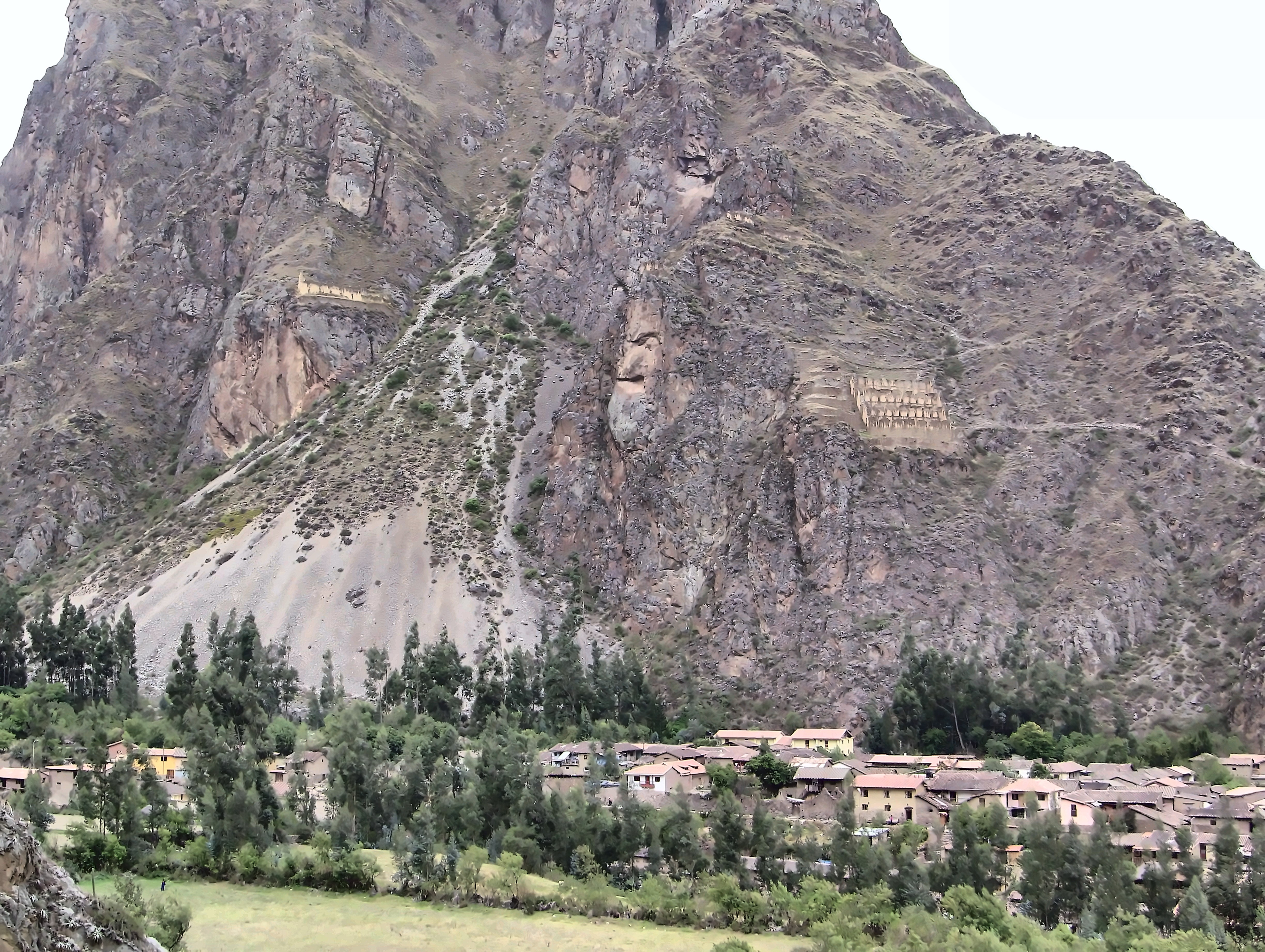
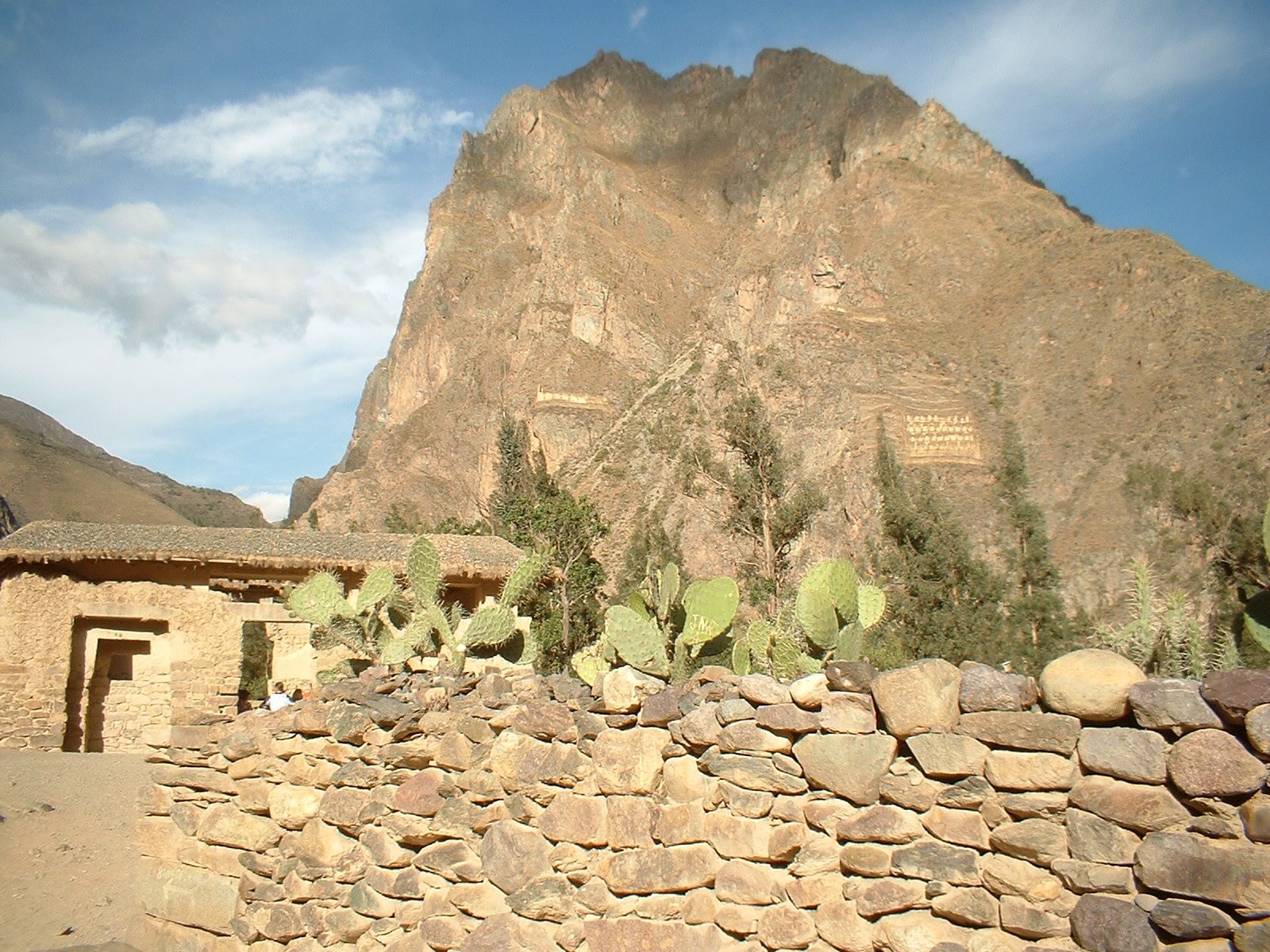
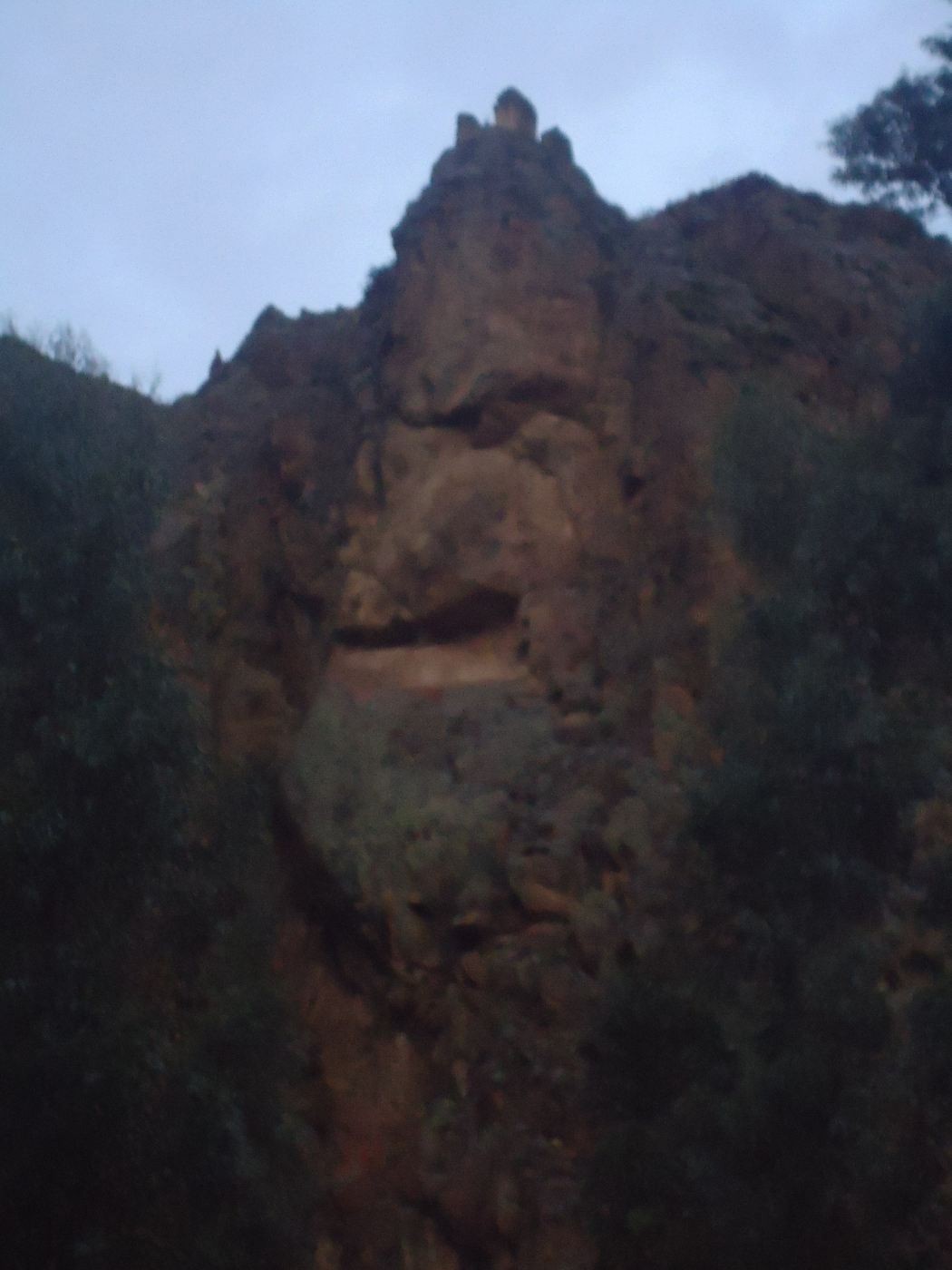
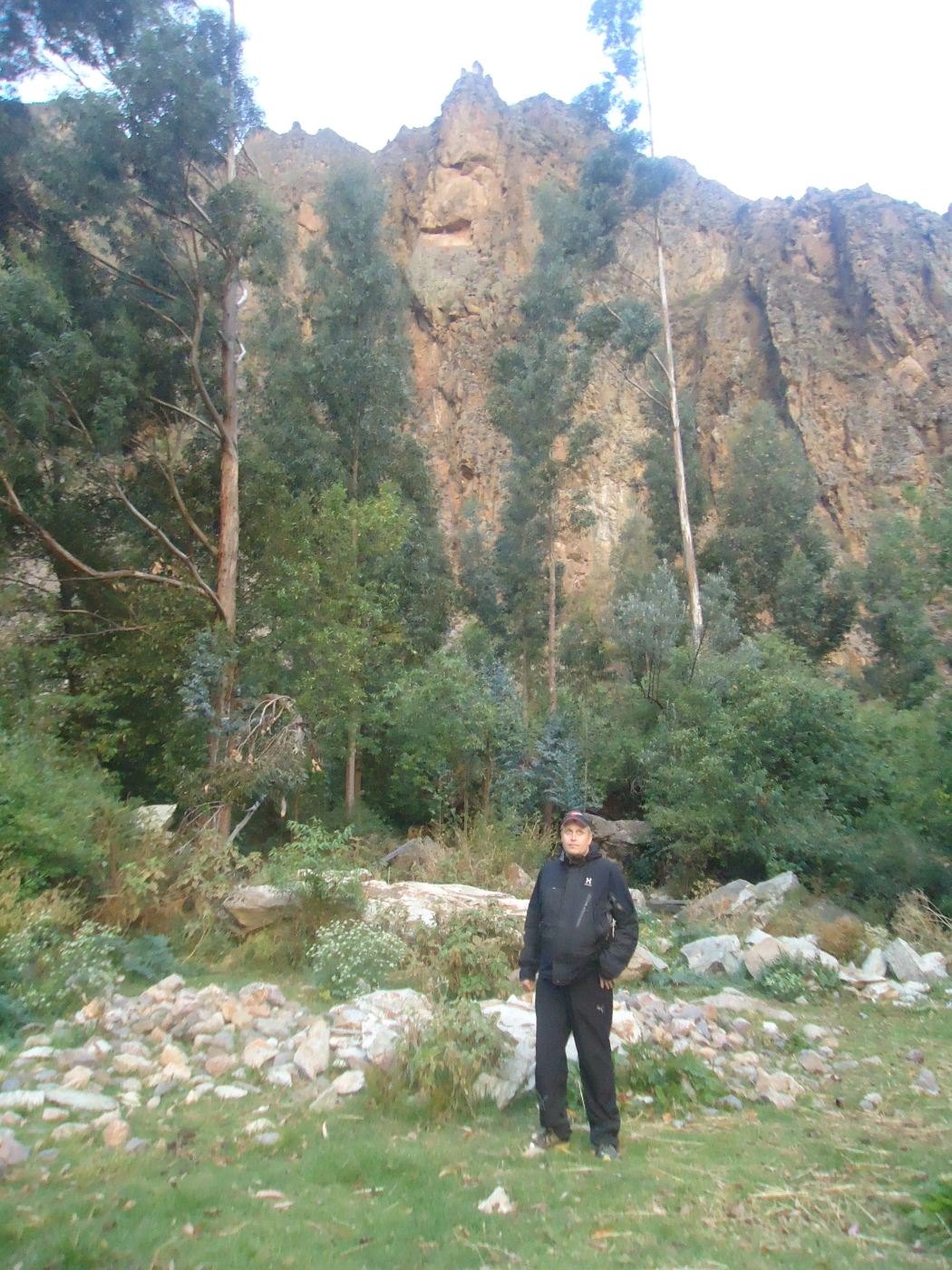
The events are Jani’s notes; the figures in the rock are speculation. L In the rock of Pinkuylluna, the mountain facing Ollantaytambo, local tradition sees the figure of Tunupa, or Wiracochan (Mincetur, inventory 13575). The reading spread in the 1990s through a book by the Elorrieta Salazar brothers; older descriptions do not mention it (Vecchio 2023).
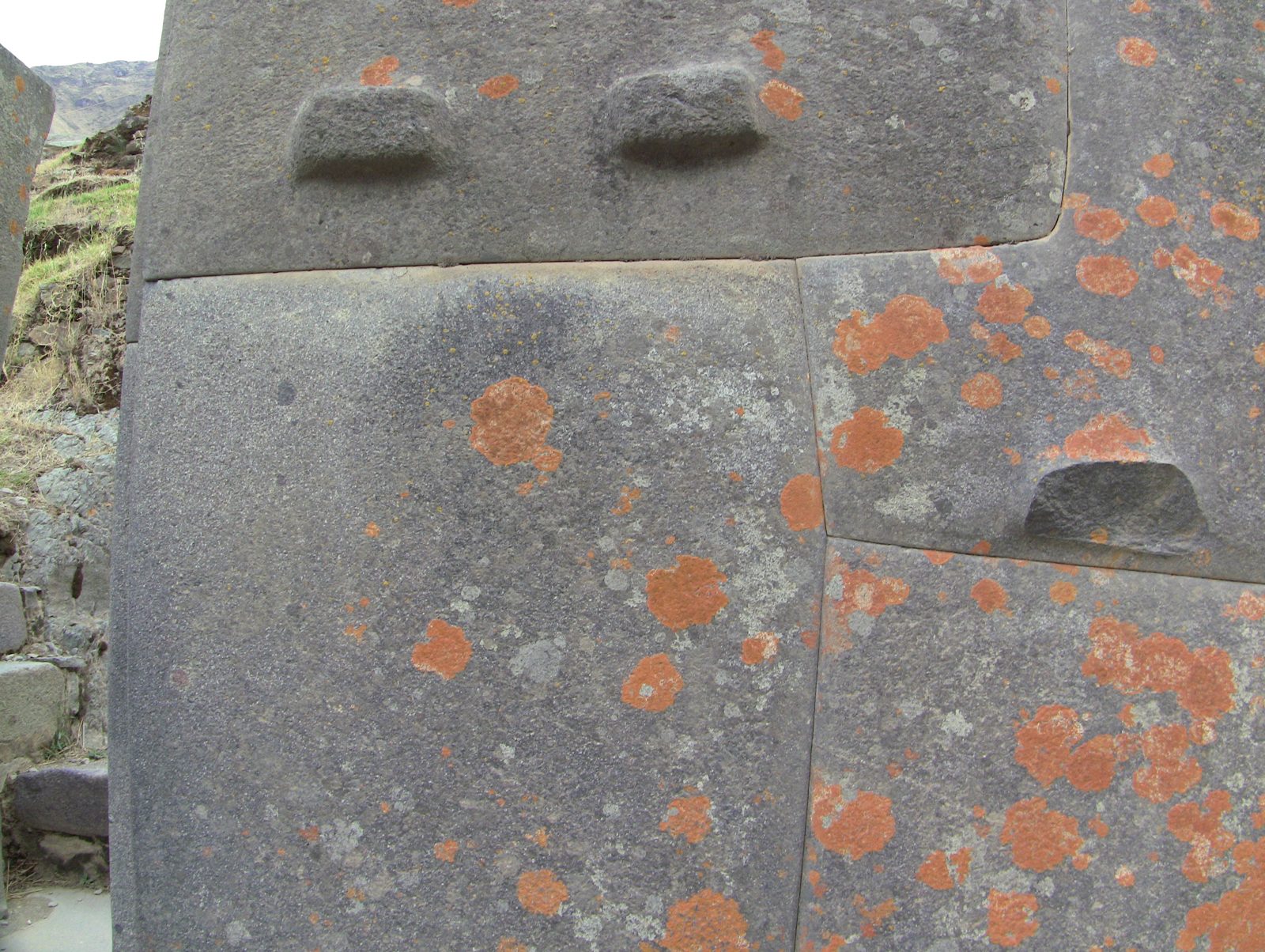
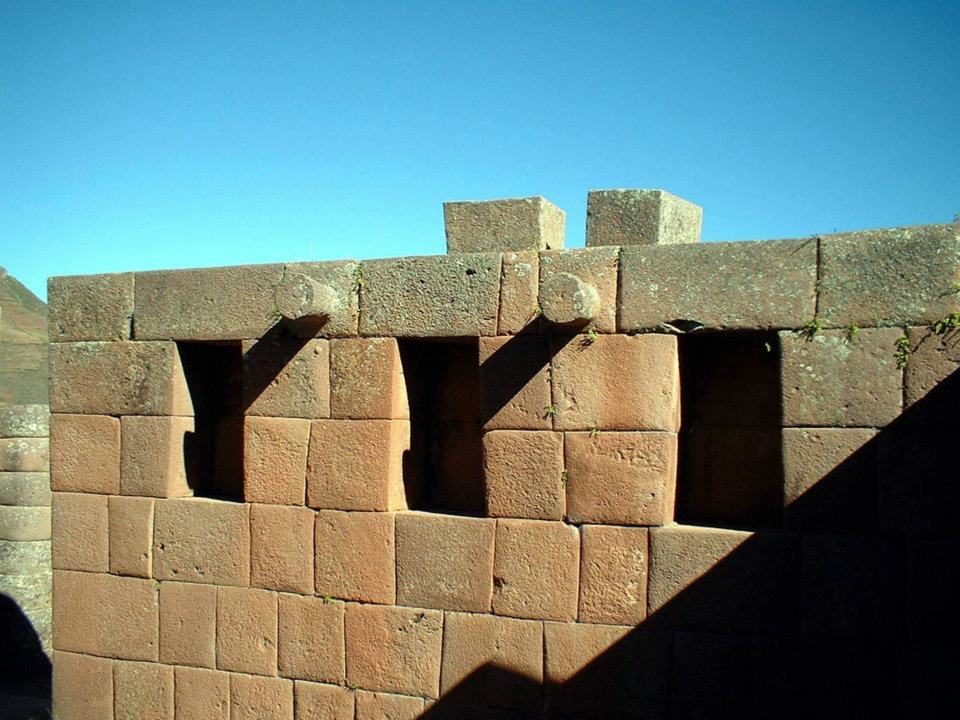
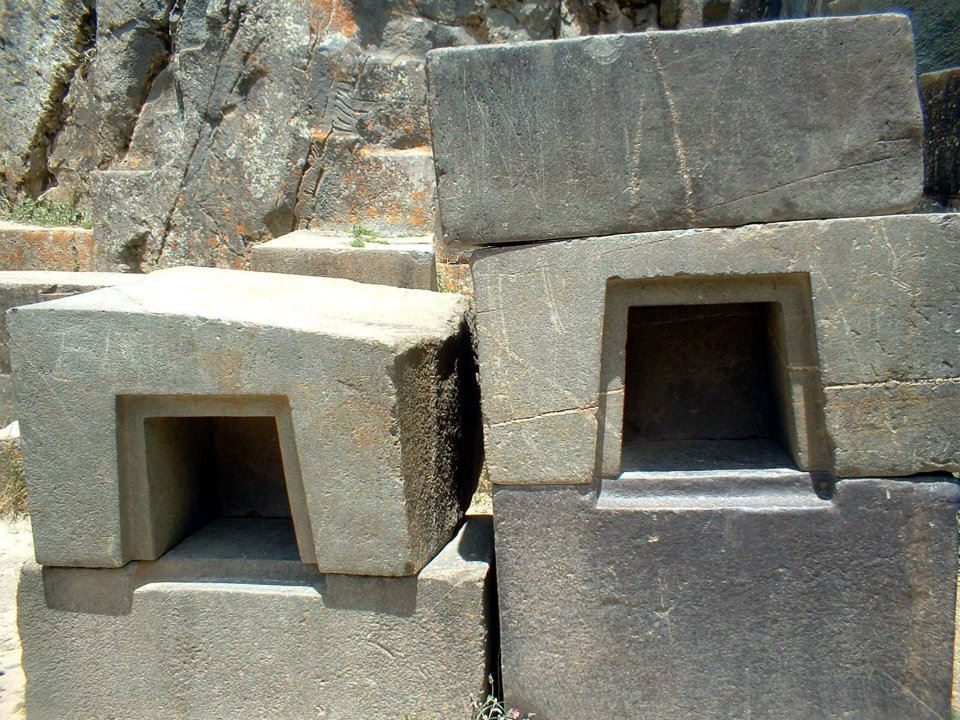
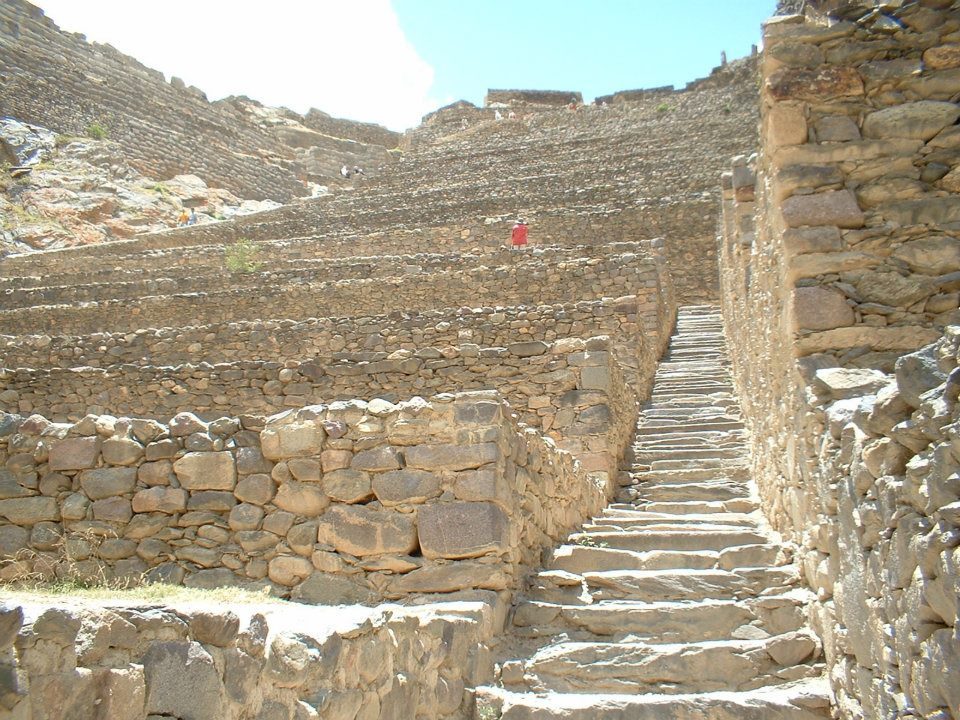
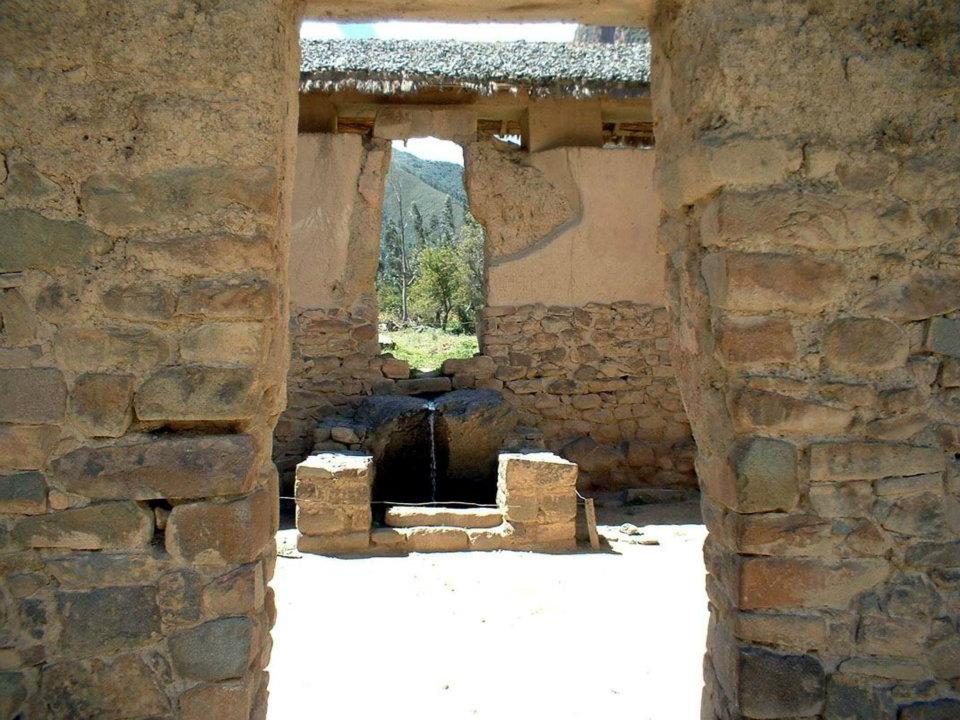
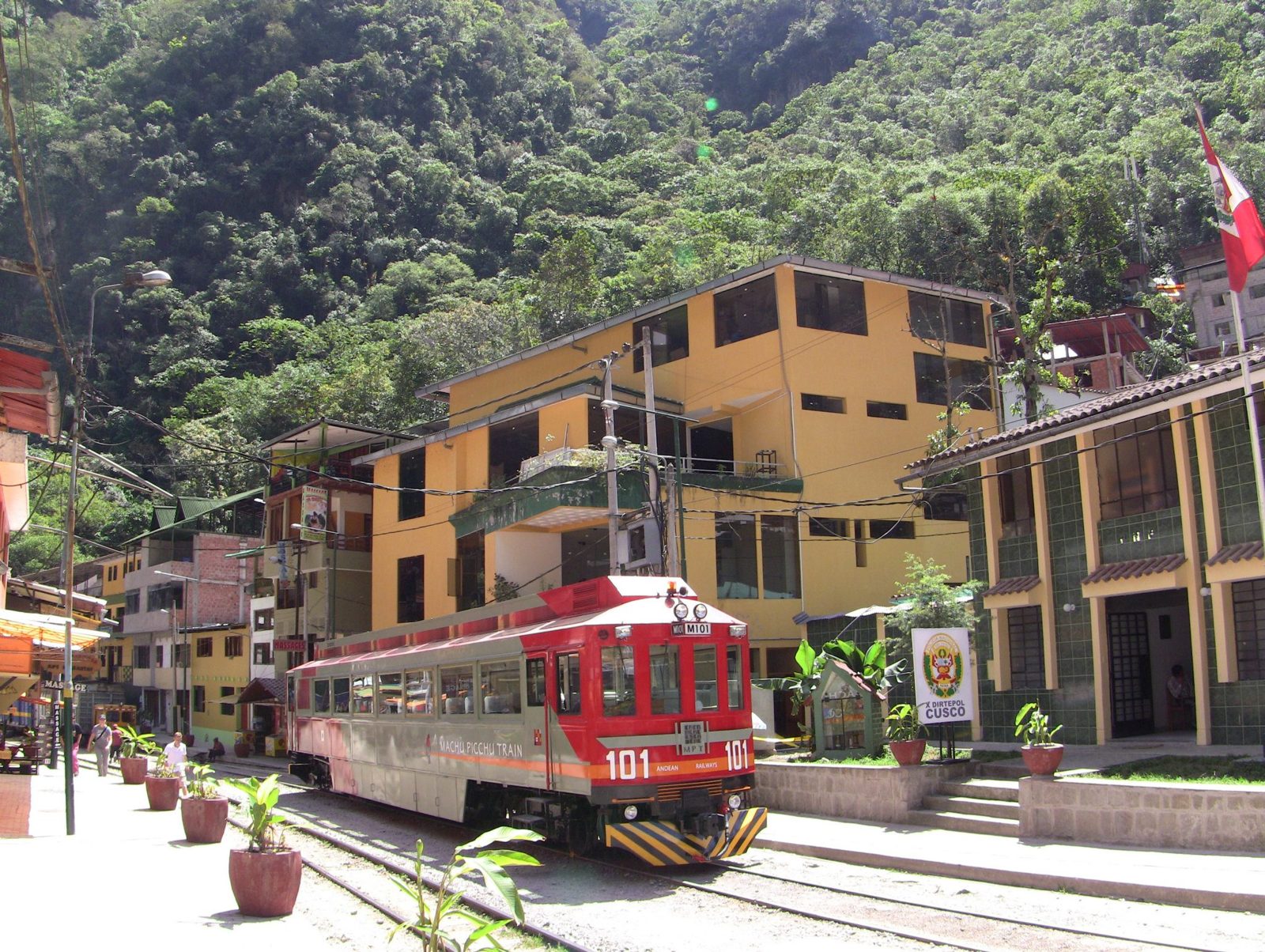
Pinkuylluna in Ollantaytambo, 20 August 2011, about 15:45 Peru time (the video camera’s clock was 8 hours ahead). L Local tradition sees the face of Tunupa, or Wiracochan, in this mountain’s rock (Mincetur, inventory 13575). Photo: Jani Korpi. The photo has only been resized.Enhanced version (colour, sharpness, resolution); the content has not been changed.Knobs on fitted blocks. Protzen suggested such bosses may have been lever or positioning points; their purpose is still debated.Data: Stone: rhyolite · Est. weight: ~50–100 t · Built: 15th centuryView on Google MapsPhoto: Jani Korpi, CC BY-SA 3.0, Wikimedia CommonsThe Wall of the Six Monoliths: pink rhyolite hauled from the Kachiqhata quarry, about 4–5 km away across the river.Data: Stone: pink rhyolite · Quarry: Kachiqhata, ~4–5 km · Built: 15th centuryView on Google MapsFitted niches on Temple Hill, where Manco Inca defeated a Spanish force in 1537.View on Google MapsTrapezoidal niches. In the 1537 battle the Inca flooded the plain below to slow the Spanish cavalry.View on Google MapsStepped stonework high on the site; the temple was still being built when the Spanish arrived.View on Google MapsPinkuylluna storehouses: high, windy and cold, a natural way to keep food fresh.View on Google MapsThe Pinkuylluna mountain seen from the town of Ollantaytambo: a stone wall and a building in the foreground, the storehouses small on the opposite slope.View on Google MapsFine joints. Thin strips of stone fill the gaps between the Six Monoliths.View on Google MapsAn Inca lane in town. Ollantaytambo is often called the oldest continuously inhabited town in South America.View on Google MapsCarved blocks. Abandoned "tired stones" lie along the ramp from the quarry, left in transit.View on Google MapsPrecisely cut niches. Jean-Pierre Protzen studied the ramps and tools used here.View on Google MapsTerraces climbing Temple Hill at Ollantaytambo (about 2,792 m), some 72 km by road from Cusco. Blocks for the temple were hauled up a ramp from the Kachiqhata quarry across the river.View on Google MapsA doorway in the upper sector. Inca doorways lean inward, which helps them stand through earthquakes.View on Google MapsLarge blocks near the top. The heaviest blocks here are estimated at roughly 50–100 t; the site was never finished.View on Google MapsStone walls in town, which still follows its Inca street plan of walled blocks (canchas).View on Google MapsThe train station: from here the railway follows the Urubamba toward Machu Picchu.View on Google MapsVisitors on the Temple Hill terraces; the walls are fitted without mortar.View on Google MapsPhoto: Jani Korpi, CC BY-SA 3.0, Wikimedia Commons
Original photos from 2011
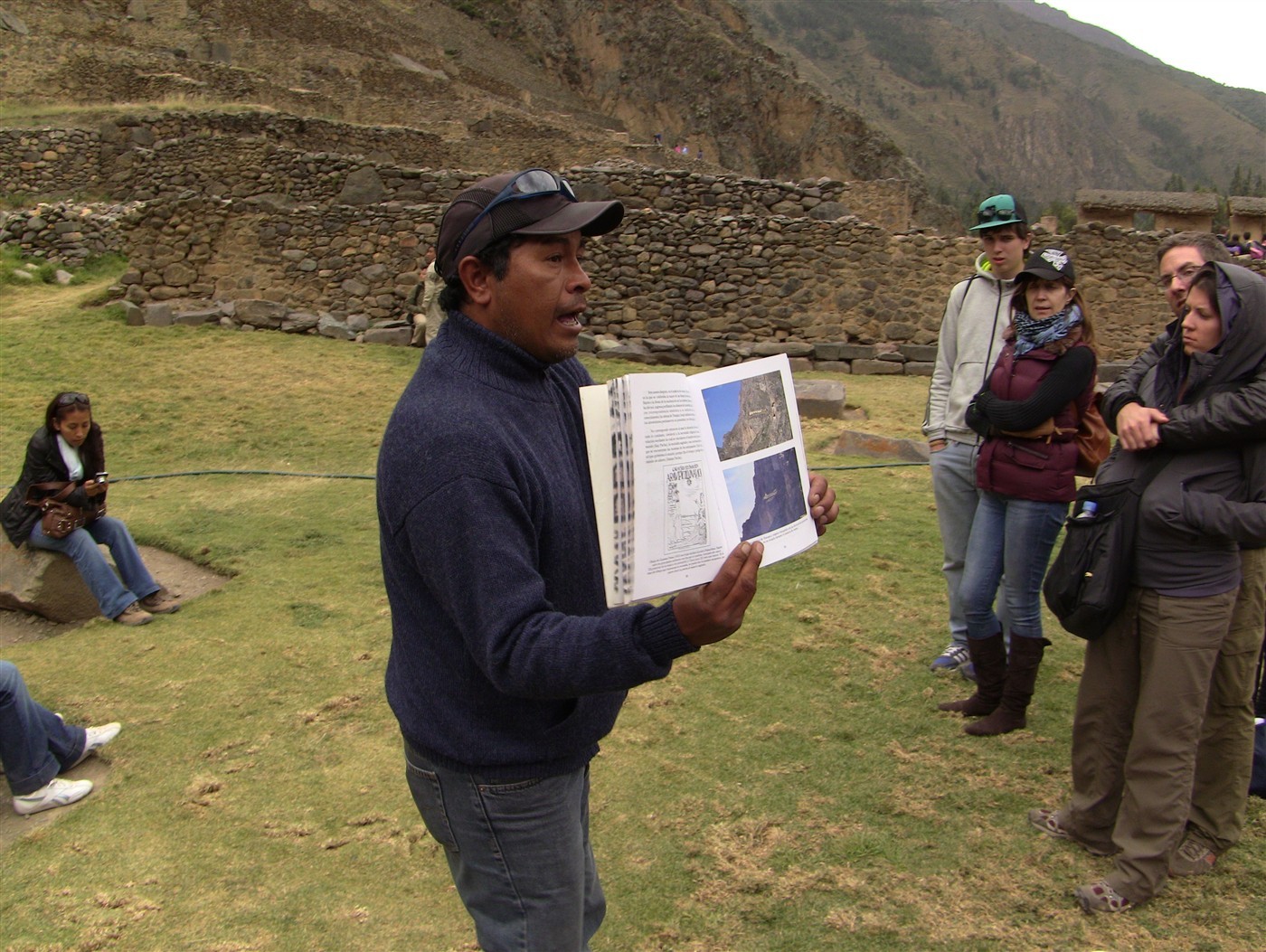
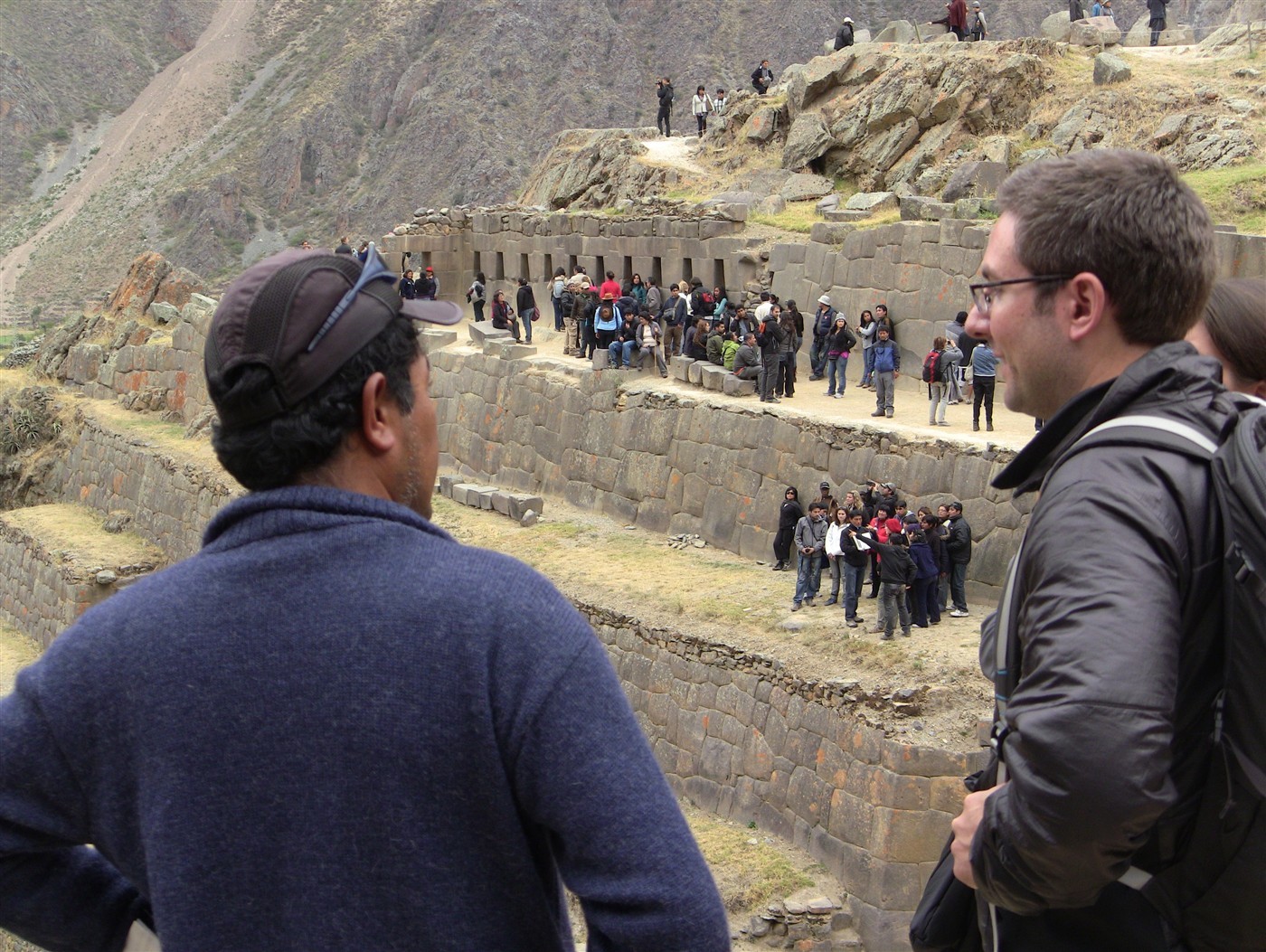
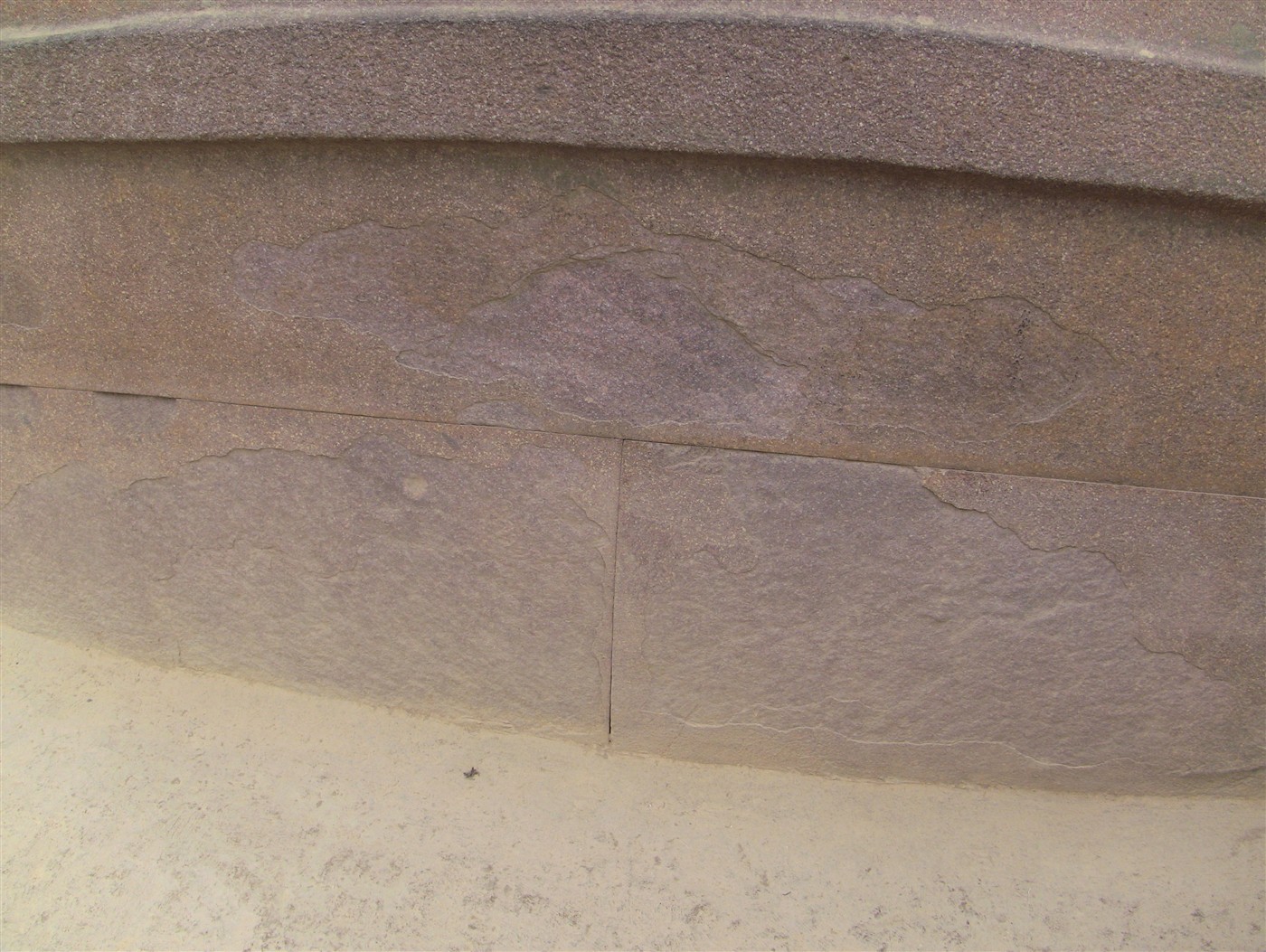
Ollantaytambo, 20 August 2011, about 15:28 Peru time. T Ollantaytambo was the royal estate of the ruler Pachacuti from the mid-15th century; its unfinished Sun Temple has the Wall of the Six Monoliths (Wikipedia: Ollantaytambo). A local guide shows the group a picture in a book. Photo: Jani Korpi. The photo has only been resized.Ollantaytambo, 20 August 2011, about 15:56 Peru time. T Ollantaytambo was the royal estate of the ruler Pachacuti from the mid-15th century; its unfinished Sun Temple has the Wall of the Six Monoliths (Wikipedia: Ollantaytambo). A local guide and a visitor talk in front of the terraces. Photo: Jani Korpi. The photo has only been resized.Ollantaytambo, 20 August 2011, about 16:07 Peru time. T The pink rhyolite of the Wall of the Six Monoliths was brought from the Kachiqhata quarry across the Urubamba (Protzen). T Ollantaytambo was the royal estate of the ruler Pachacuti from the mid-15th century; its unfinished Sun Temple has the Wall of the Six Monoliths (Wikipedia: Ollantaytambo). The Wall of the Six Monoliths; flat surfaces. Photo: Jani Korpi. The photo has only been resized.Ollantaytambo, 20 August 2011, about 16:15 Peru time. T Ollantaytambo was the royal estate of the ruler Pachacuti from the mid-15th century; its unfinished Sun Temple has the Wall of the Six Monoliths (Wikipedia: Ollantaytambo). Close-up of a horizontal joint between large blocks. Photo: Jani Korpi. The photo has only been resized.Ollantaytambo, 20 August 2011, about 16:20 Peru time. T The pink rhyolite of the Wall of the Six Monoliths was brought from the Kachiqhata quarry across the Urubamba (Protzen). T Ollantaytambo was the royal estate of the ruler Pachacuti from the mid-15th century; its unfinished Sun Temple has the Wall of the Six Monoliths (Wikipedia: Ollantaytambo). Projecting knobs on the blocks of the Wall of the Six Monoliths, with narrow stones between the blocks. Photo: Jani Korpi. The photo has only been resized.Ollantaytambo, 20 August 2011, about 16:20 Peru time. T Ollantaytambo was the royal estate of the ruler Pachacuti from the mid-15th century; its unfinished Sun Temple has the Wall of the Six Monoliths (Wikipedia: Ollantaytambo). Two large blocks and the joint between them; knobs on the surface. Photo: Jani Korpi. The photo has only been resized.Ollantaytambo, 20 August 2011, about 17:44 Peru time. L Local tradition identifies this rock face on Pinkuylluna as Wiracocha, or Tunupa, the creator who made people, plants and animals (Mincetur 13575; Calancha via Vecchio; Santa Cruz Pachacuti). T Ollantaytambo was the royal estate of the ruler Pachacuti from the mid-15th century; its unfinished Sun Temple has the Wall of the Six Monoliths (Wikipedia: Ollantaytambo). The rock face at dusk. Photo: Jani Korpi. The photo has only been resized.Ollantaytambo, 20 August 2011, about 17:45 Peru time. L Above on the cliff is the face that local tradition identifies as Wiracocha, or Tunupa. T Ollantaytambo was the royal estate of the ruler Pachacuti from the mid-15th century; its unfinished Sun Temple has the Wall of the Six Monoliths (Wikipedia: Ollantaytambo). Jani standing below the Pinkuylluna rock face. Jani is in the photo. Photo: Gianina. The photo has only been resized.
T The valley’s canal system of about 15 km was maintained into the colonial period, until it began to decay and the Pukaraqhay reservoir to silt up from around 1600 (Hunter 2025).