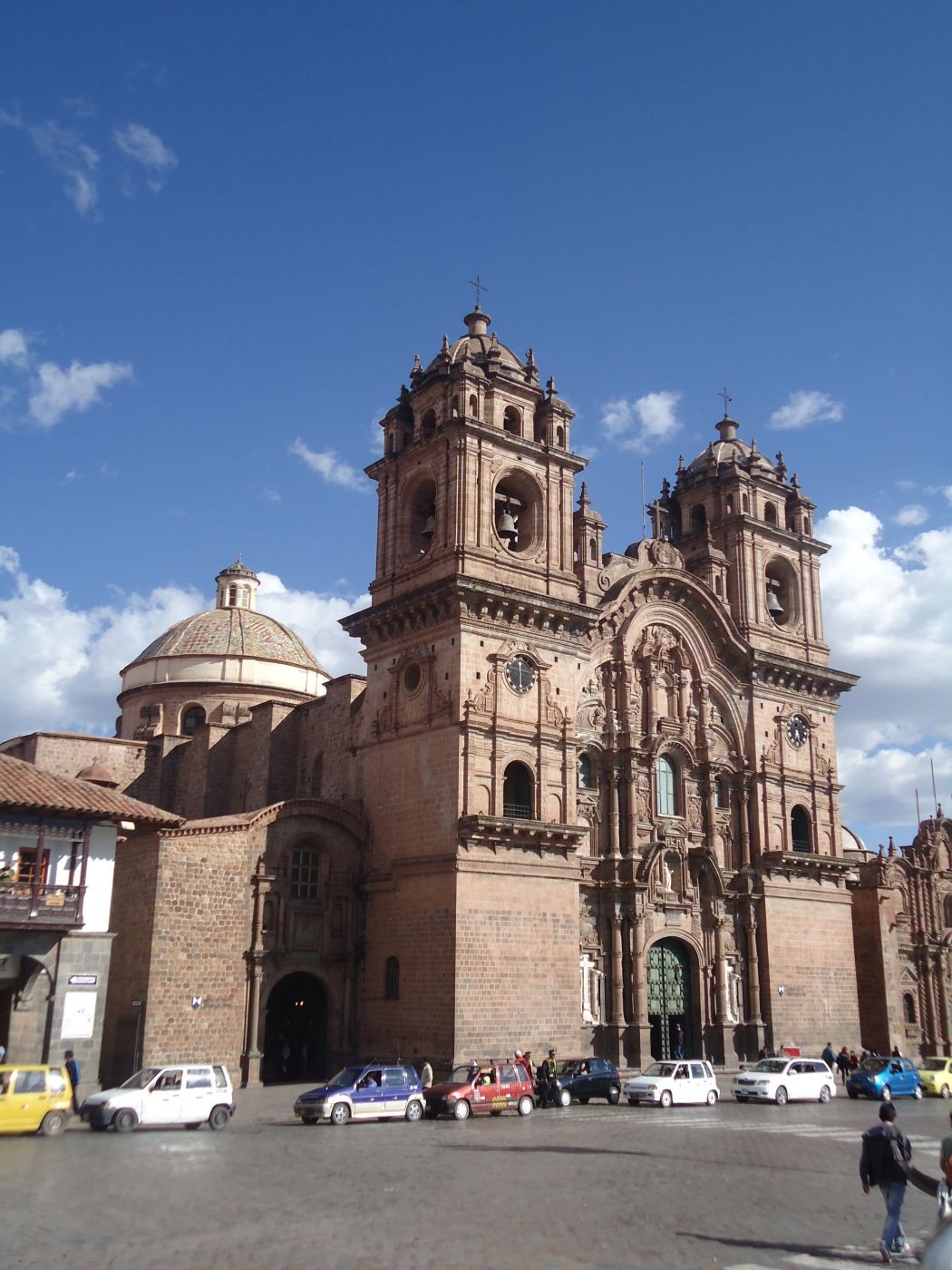
The Inca walls of Cusco show the marks of two strong earthquakes. One of them struck in Inca times (Combey et al. 2022).
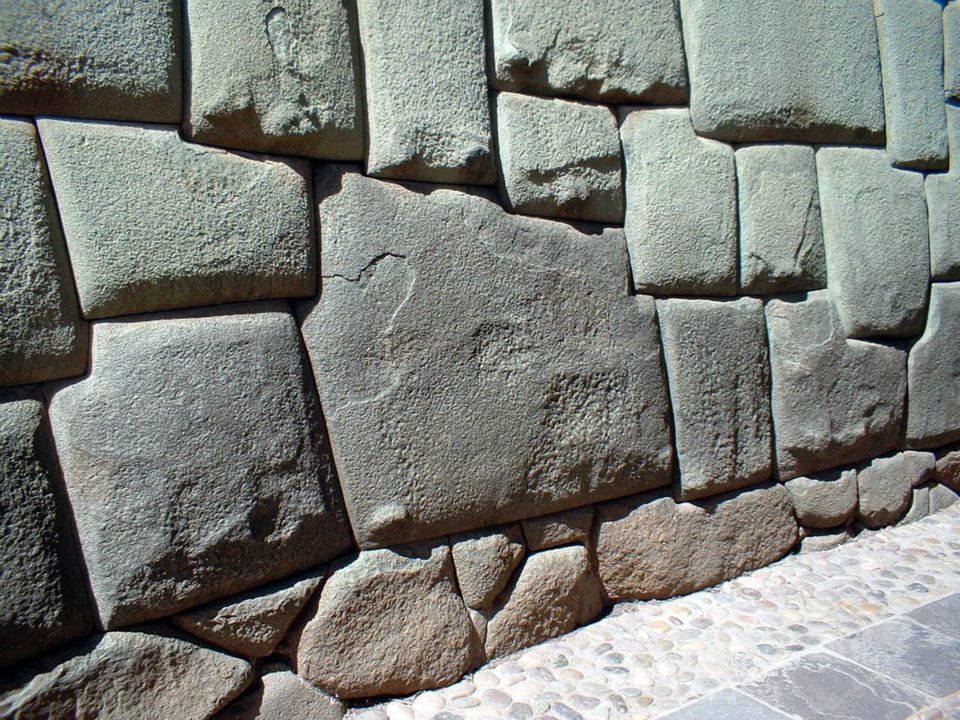
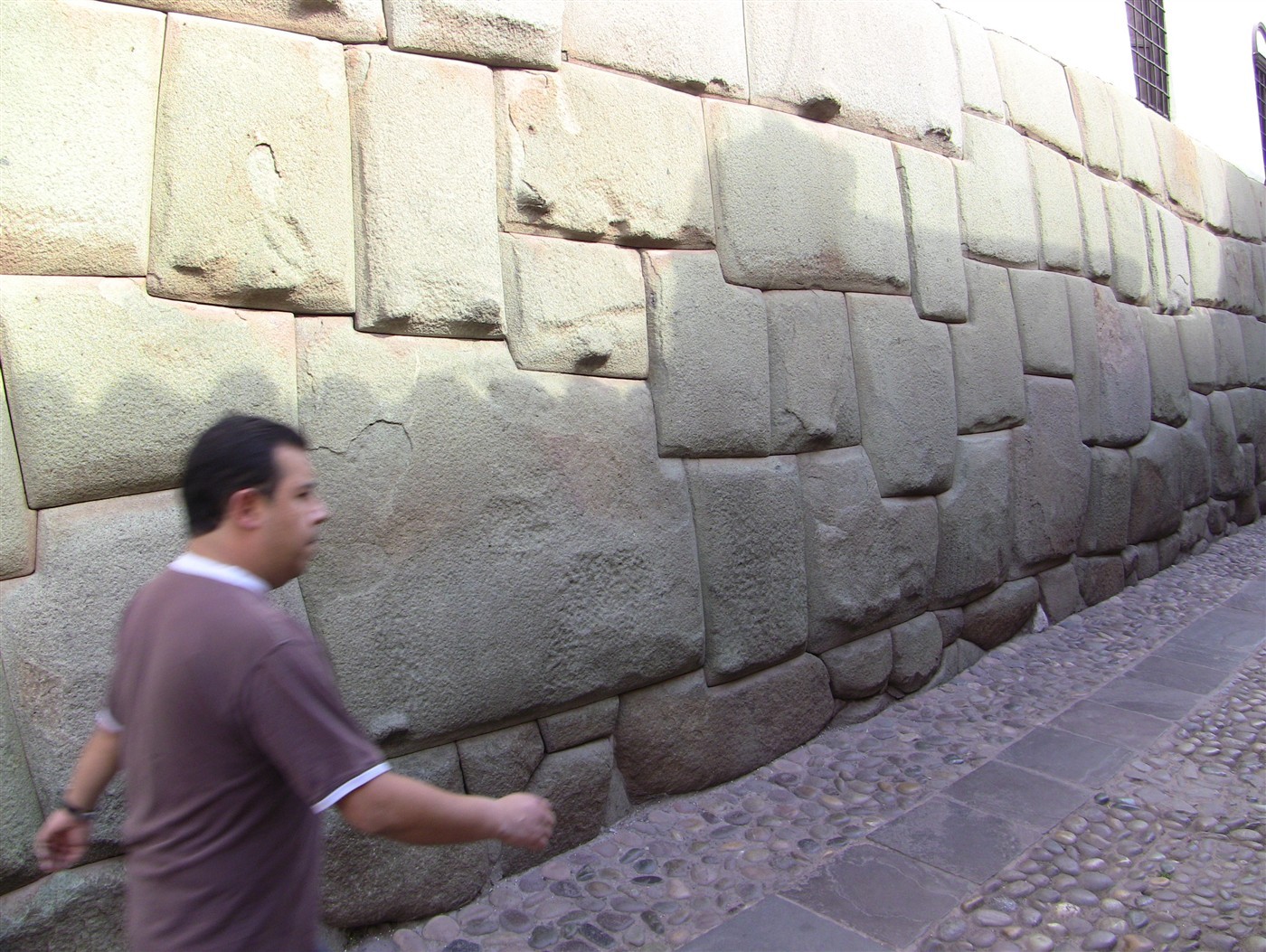
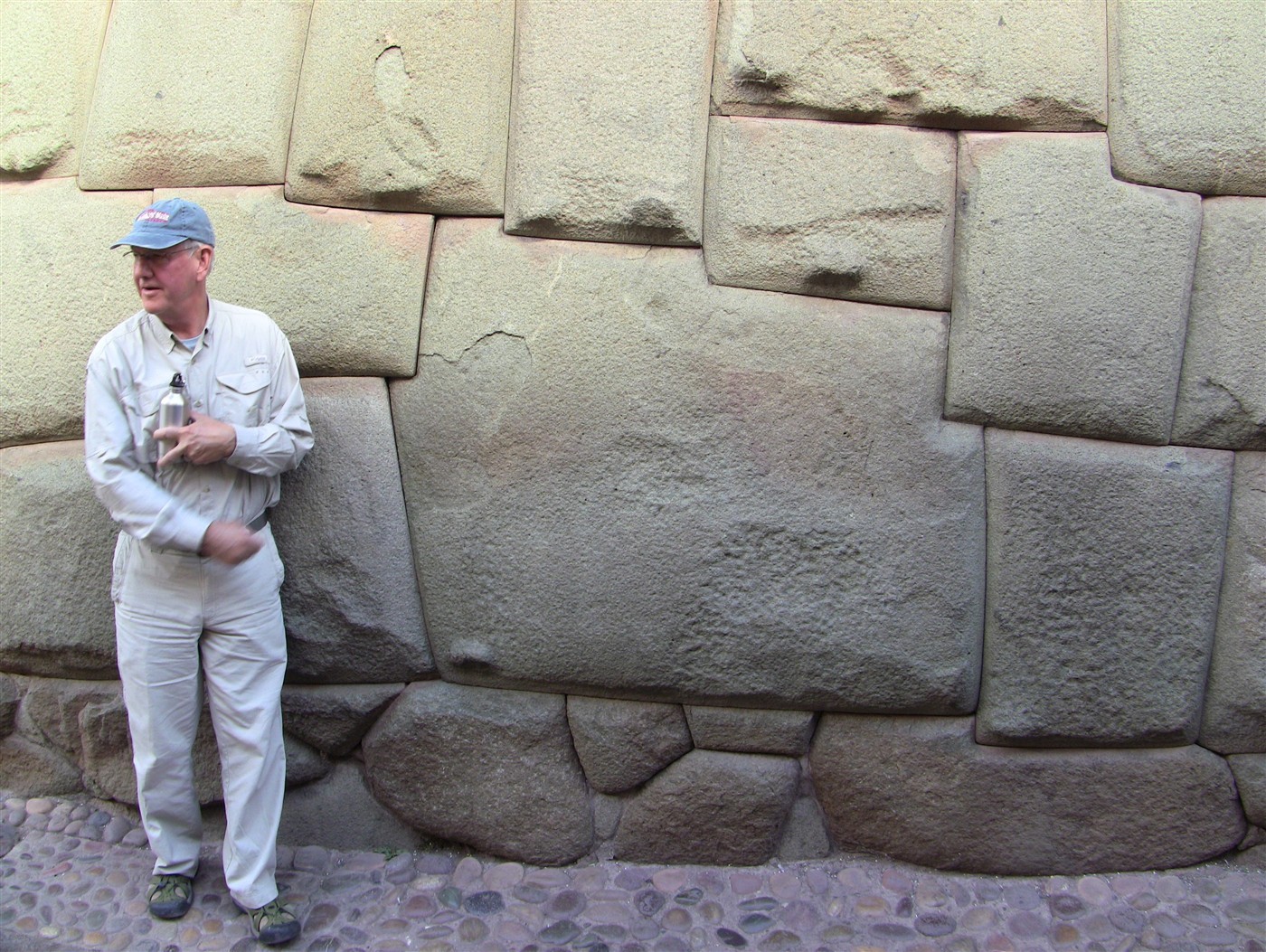
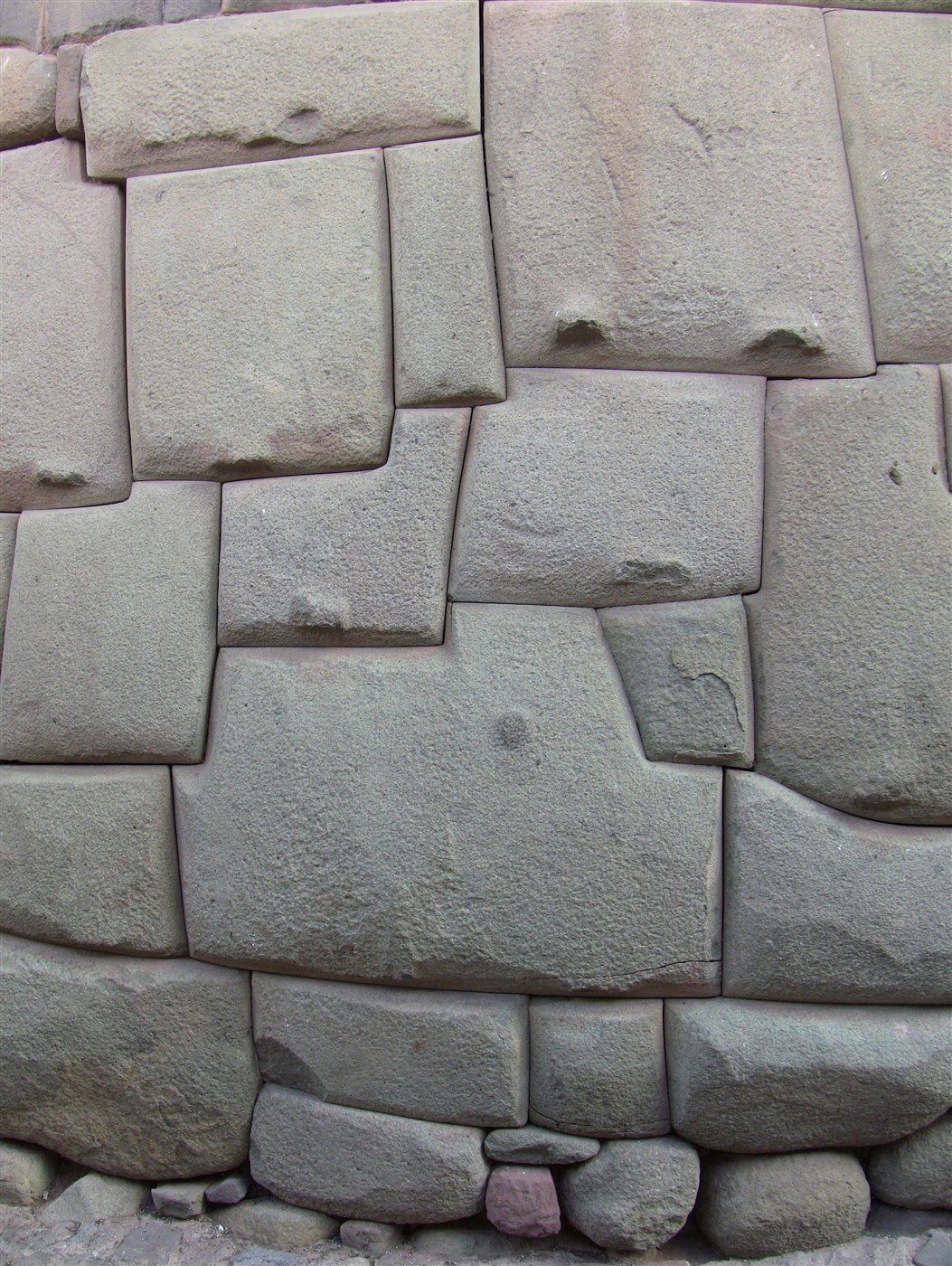
Cusco was the capital of the Inca Empire. UNESCO describes the city as an amalgam of the Inca capital and the colonial city (UNESCO). The twelve-angled stone on Hatun Rumiyoc street was part of the wall of Inca Roca's palace (Smithsonian 3D). Paint was sprayed on the stone in March 2014, and on 18 February 2025 it was struck with a metal object (Ministry of Culture 2025).
Speculation: Brien Foerster asks whether the megalithic foundations are the work of an older builder culture. Protzen and Nair compared Inca and Tiwanaku joints and did not find the same technique (Protzen and Nair 1997).
Which do you notice first in Cusco, the Inca walls or the churches on top of them?
We arrived in Cusco by bus, and I filmed the city on 18–19 August 2011. I am an engineer: I often stood staring at the joints, not the scenery.
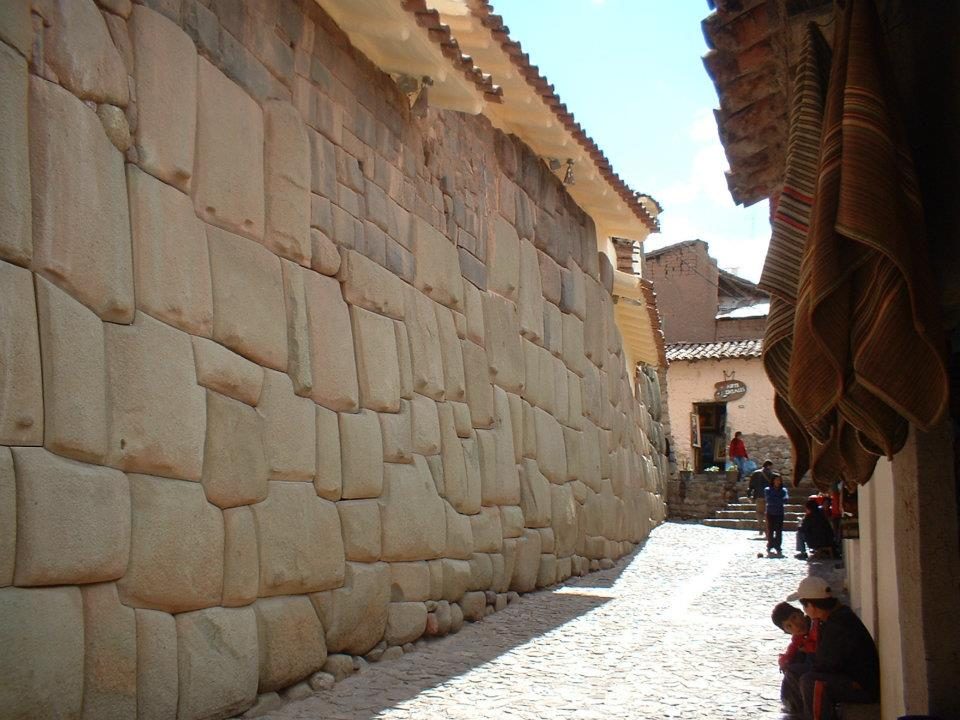
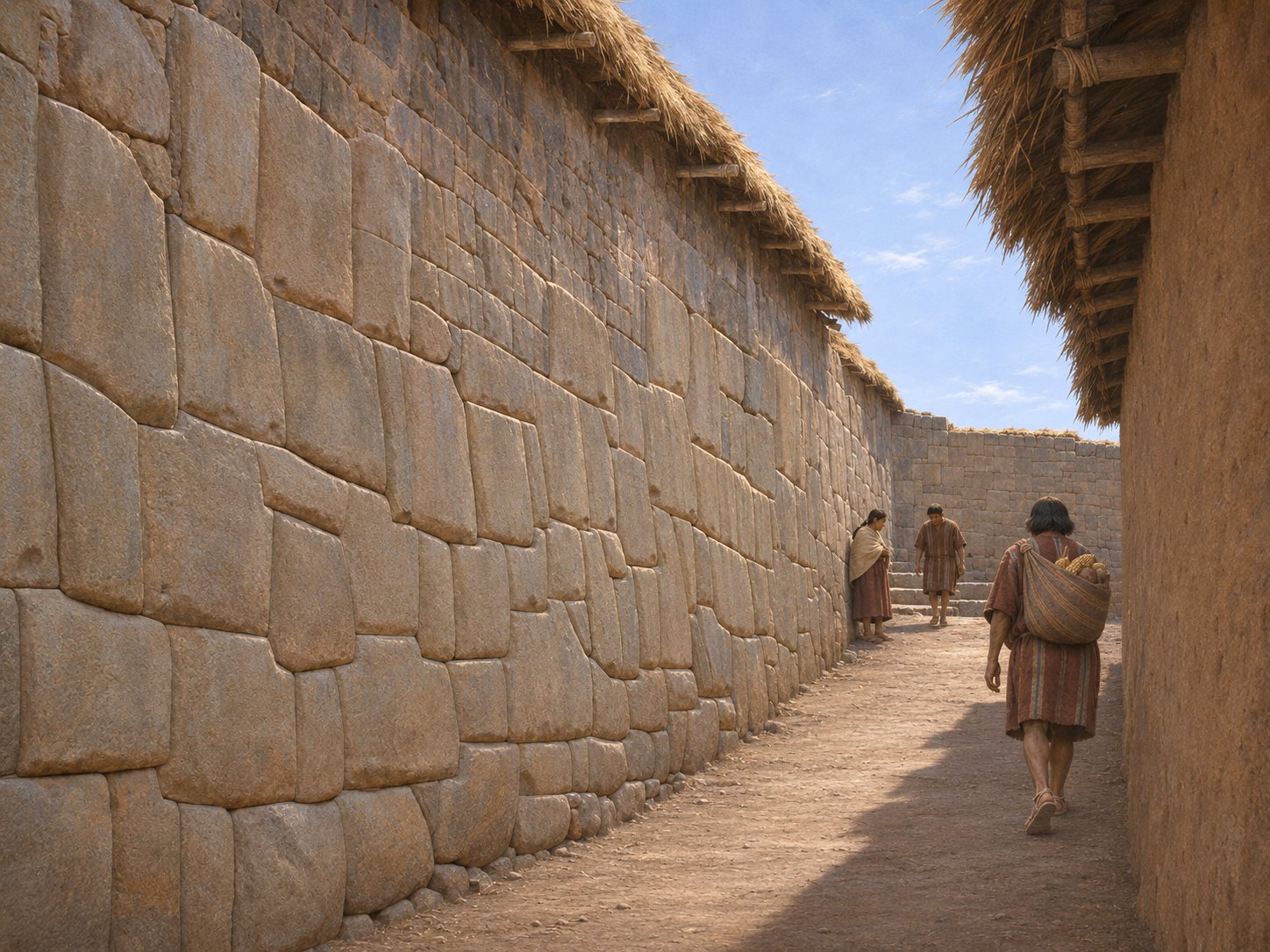
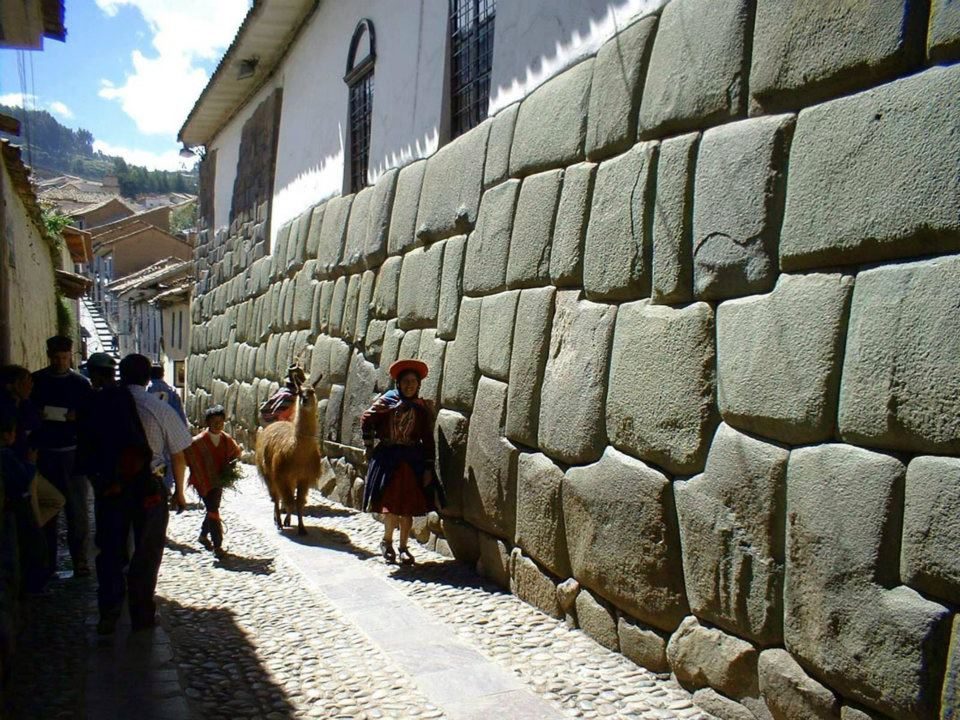
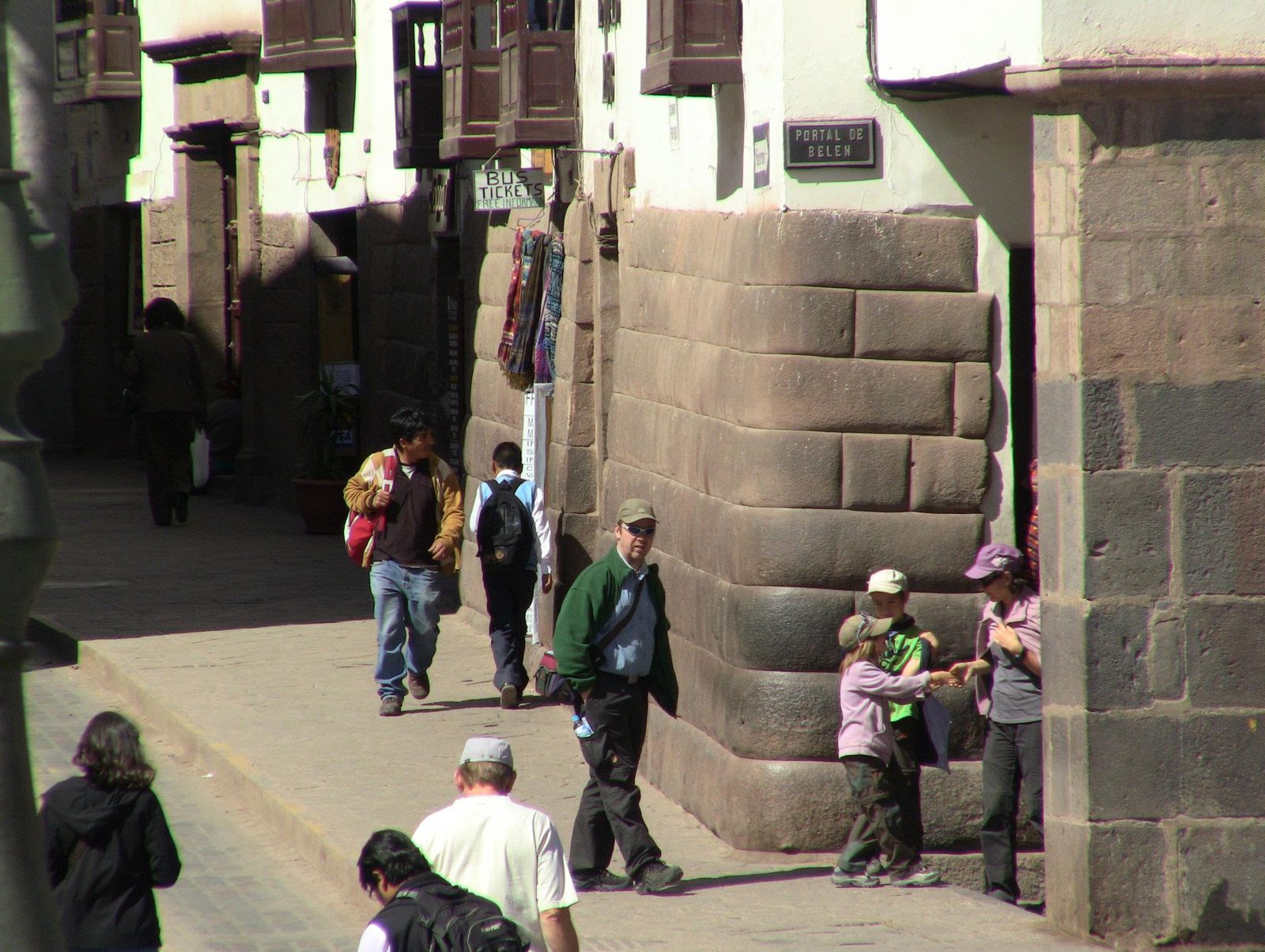
A Cusco alley in 2011 and around AD 1500
Photo 2011 A polygonal alley wall in Cusco in 2011. At the end of the alley are steps and a plastered house. Photo: Jani Korpi.AI-assisted historical illustration K Cusco, around AD 1500. A narrow passage follows a polygonal stone wall. The viewpoint and the proportions of the wall are based on Jani Korpi's travel photo. The walkers, their loads and the upper parts of the buildings are interpretation. The stone joints, the end of the alley and the roof heights differ from the photo. AI-assisted historical illustration.
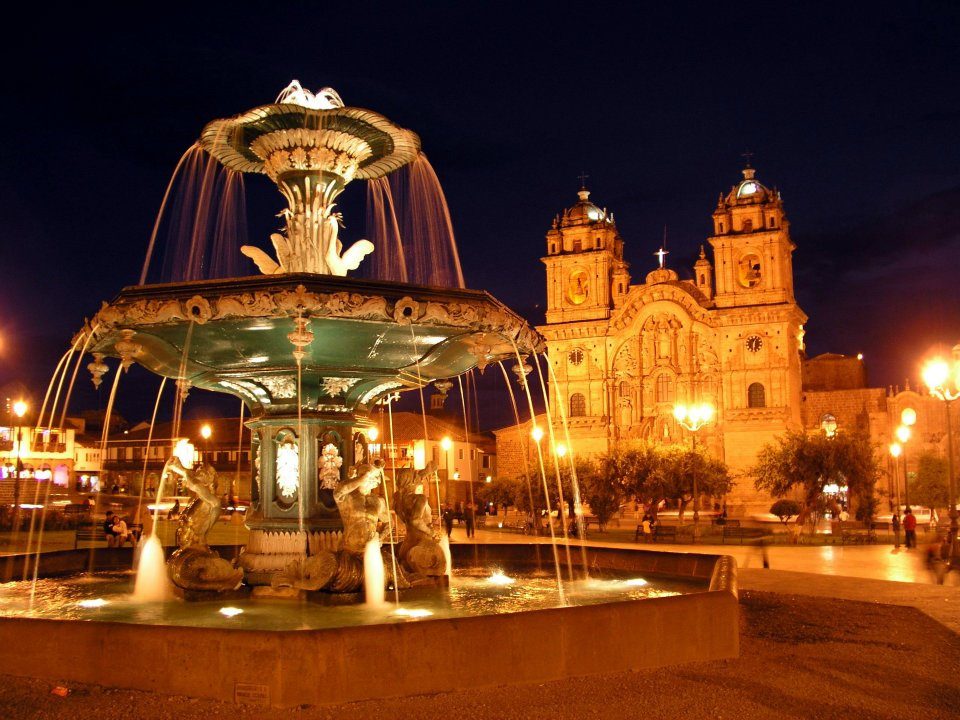
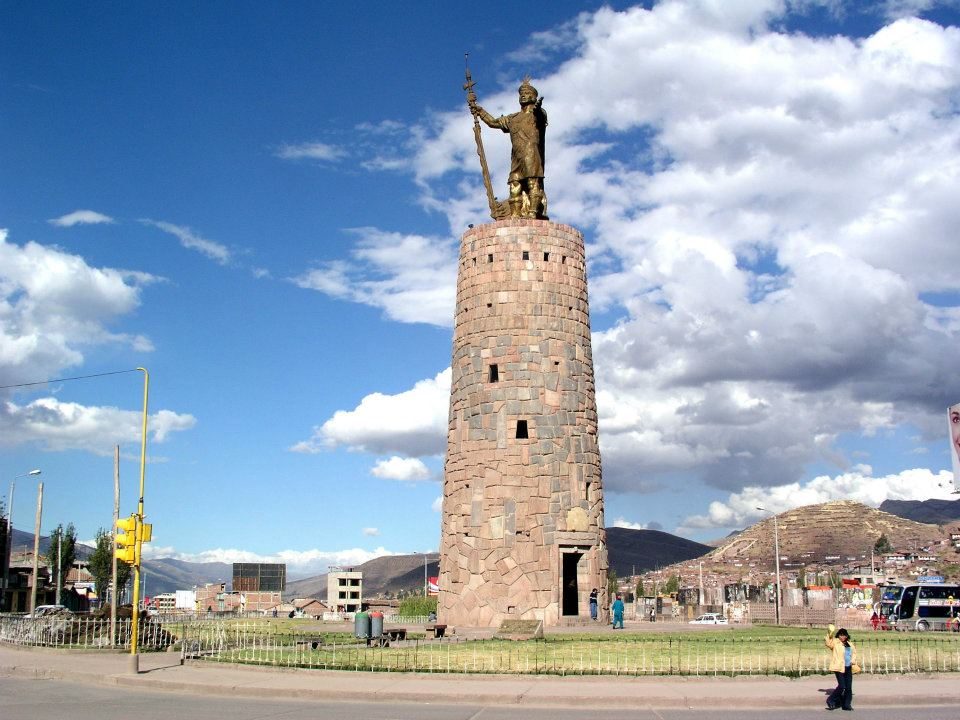
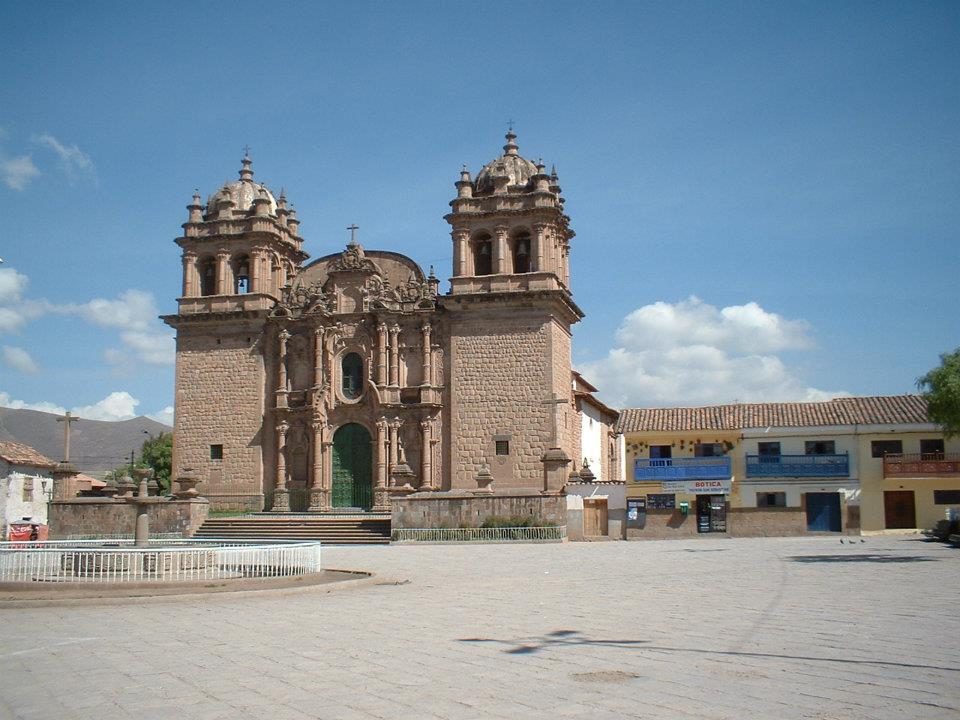
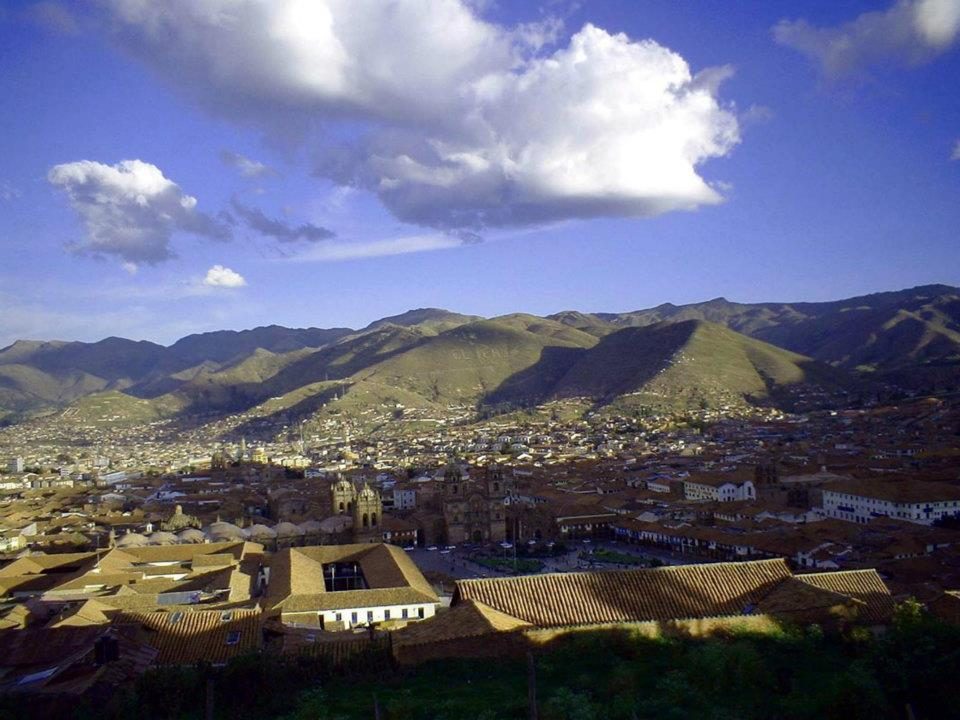
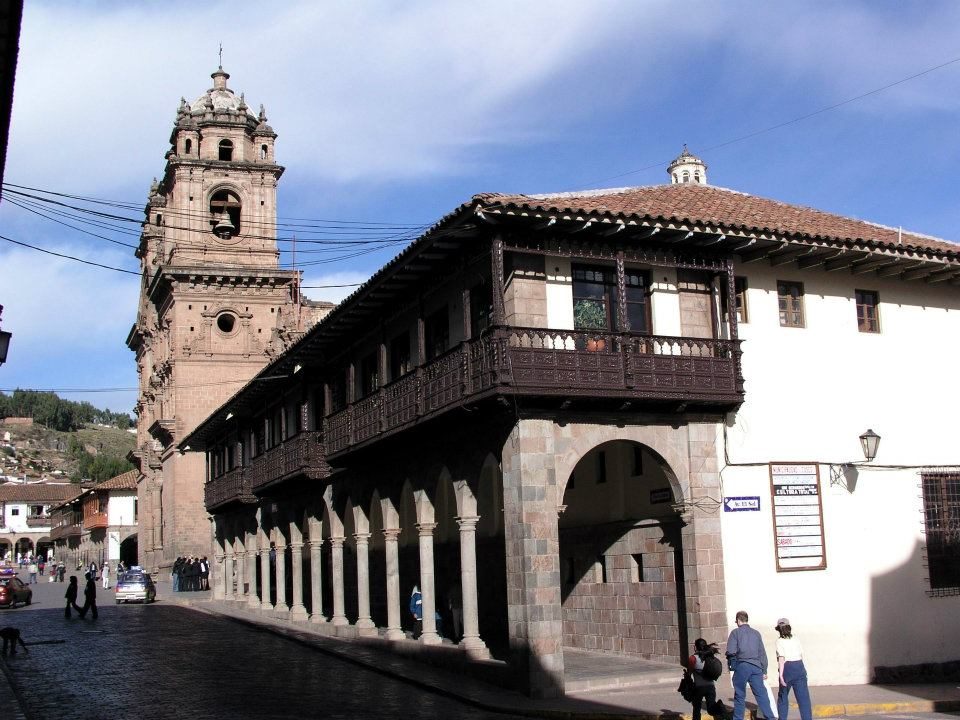
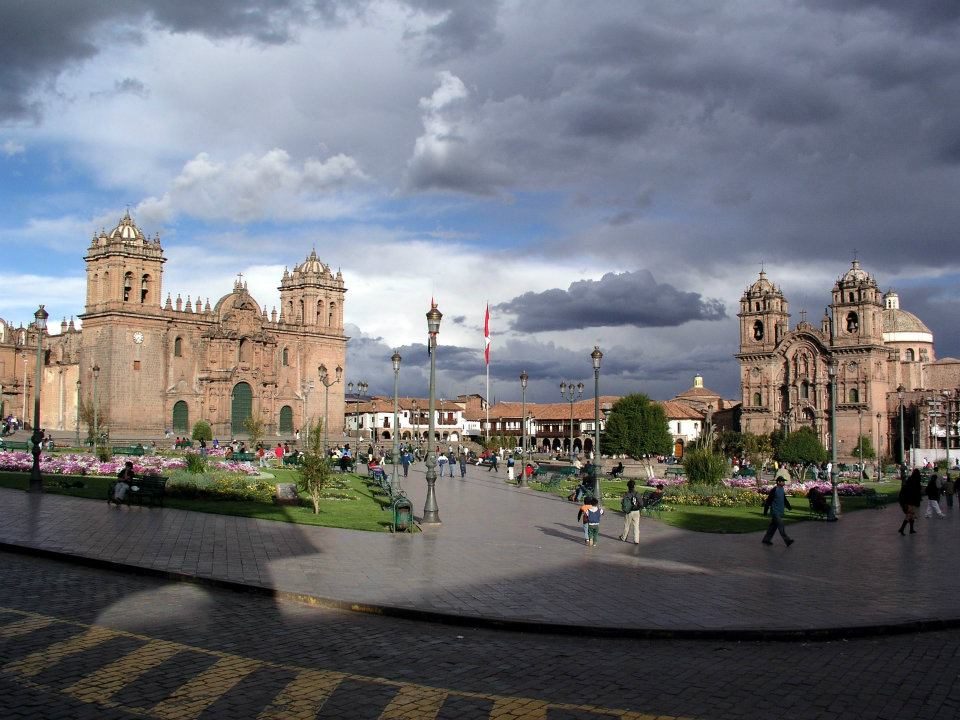
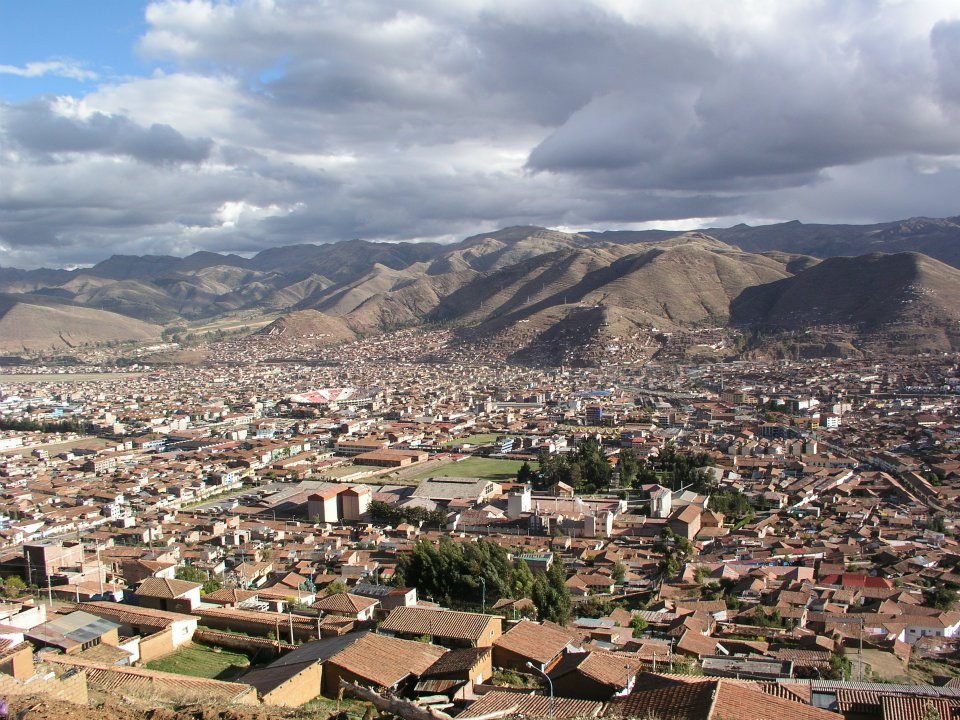
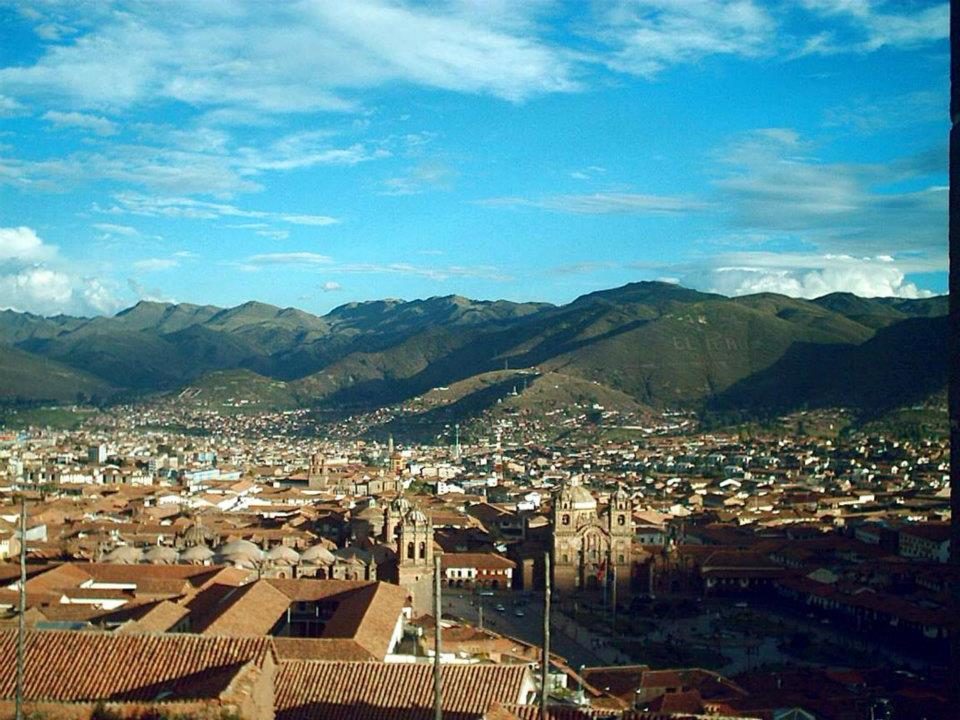
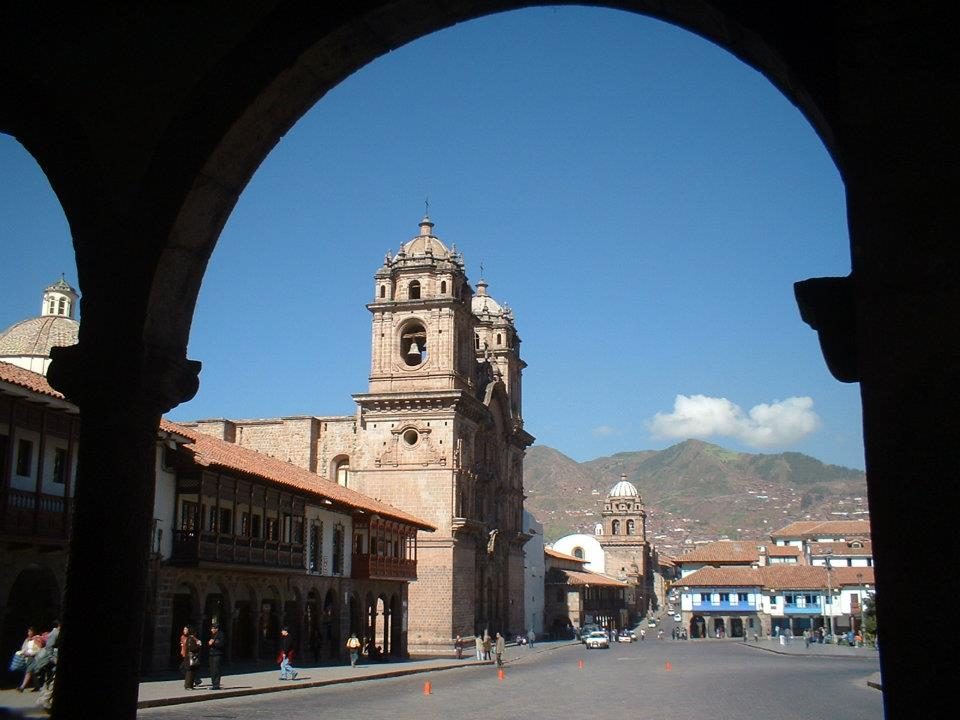
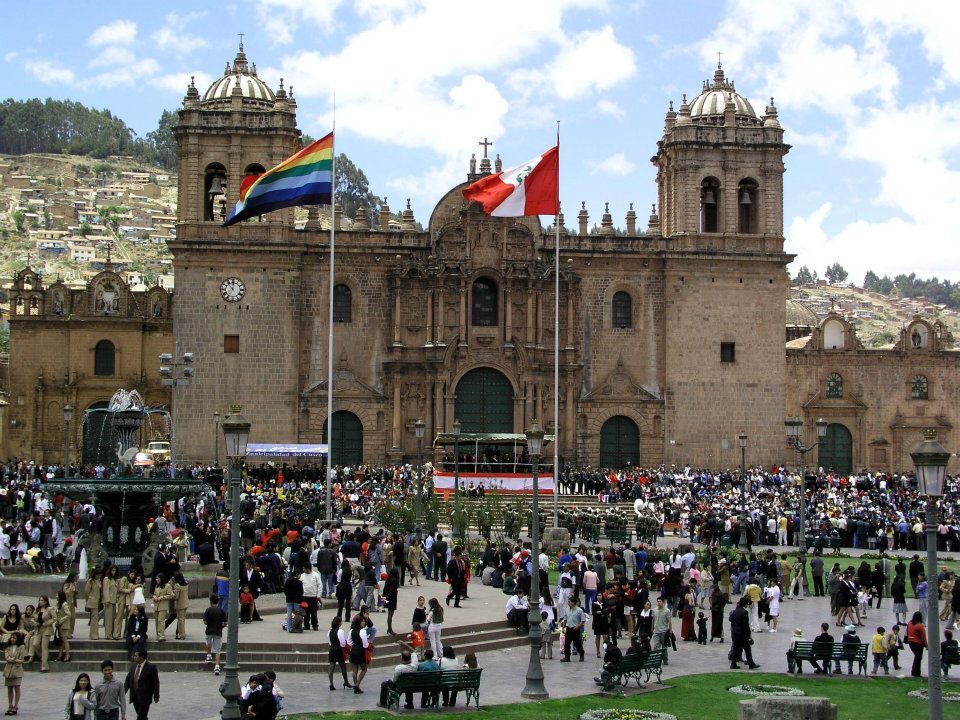
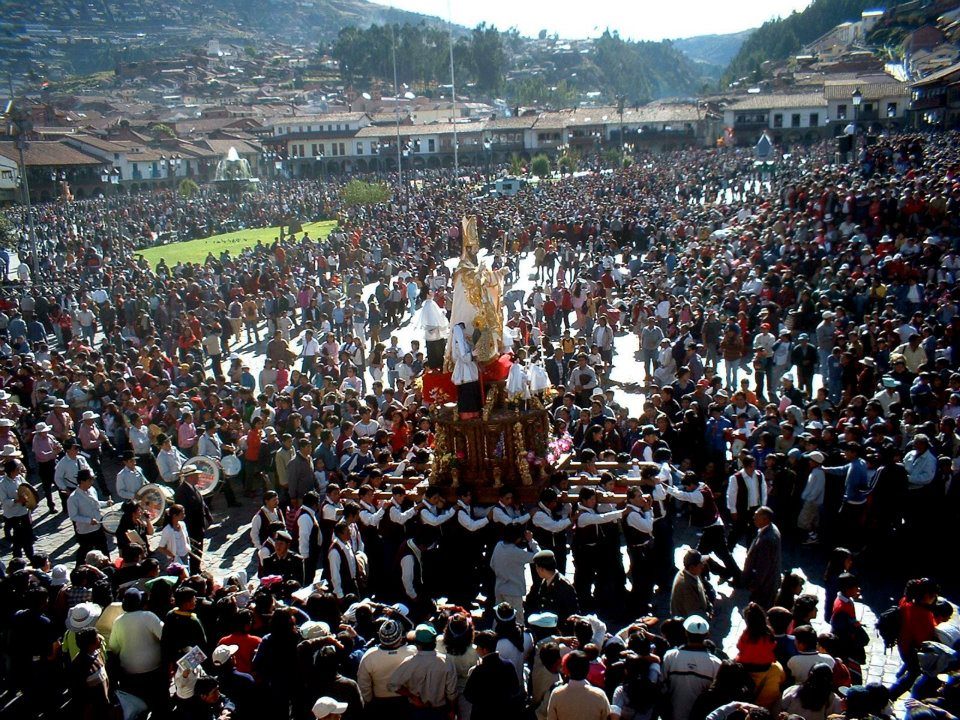
The cathedral at night, built 1559–1654 on the site of an Inca palace.Data: Built: 1559–1654 · UNESCO: 1983View on Google MapsAn evening street in Cusco, at about 3,400 m. The colonial city was built directly on Inca foundations after the Spanish entered it in 1533.View on Google MapsPolygonal Inca blocks, the same style as the twelve-angled stone on Hatun Rumiyoc street.View on Google MapsA monument in Cusco's historic centre. Spanish forces entered the Inca capital in November 1533.View on Google MapsA colonial church. Many were built on Inca foundations, like Santo Domingo on top of the Coricancha.View on Google MapsInca walls on a street. They withstood the 1650 and 1950 earthquakes better than the colonial buildings above.View on Google MapsThe valley from above. By tradition, Pachacuti's Cusco was laid out in the shape of a puma.View on Google MapsCarved wooden balconies, typical of colonial mansions built over Inca walls.View on Google MapsPlaza de Armas. Under the Inca the main square (Huacaypata) is thought to have been even larger.View on Google MapsRed roofs of Cusco, a UNESCO World Heritage Site since 1983.View on Google MapsThe city across the valley. Cusco grew into the imperial capital under Pachacuti in the 15th century.View on Google MapsA church tower framed by an arcade. Many towers had to be rebuilt after the 1650 earthquake.View on Google MapsA lane between Inca walls. They lean slightly inward, a feature thought to help them resist earthquakes.View on Google MapsThe cathedral during a festival; religious processions still circle the plaza.View on Google MapsCrowds in the Plaza de Armas, where the rebel leader Túpac Amaru II was executed in 1781.View on Google Maps
Original photos from 2011
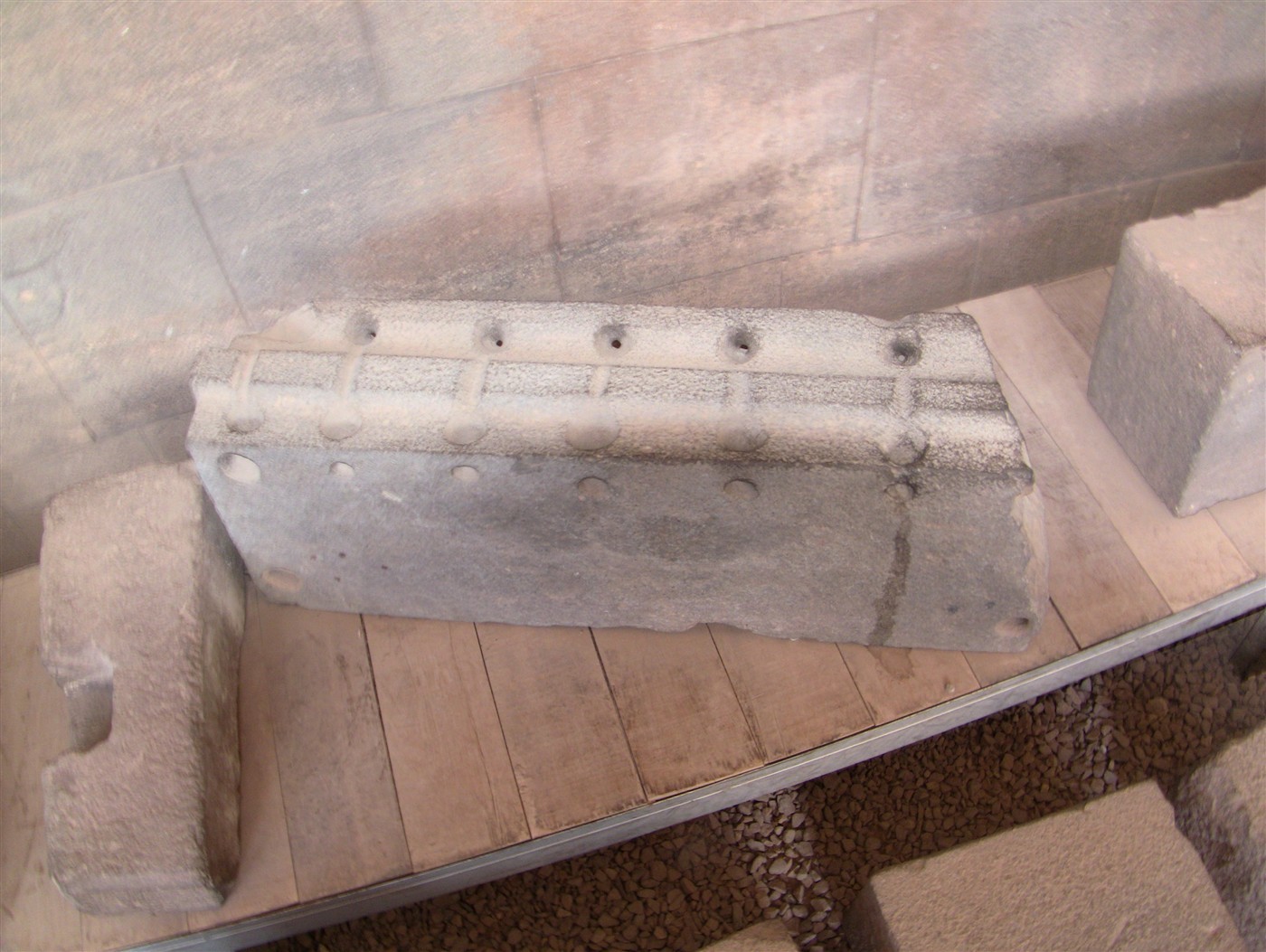
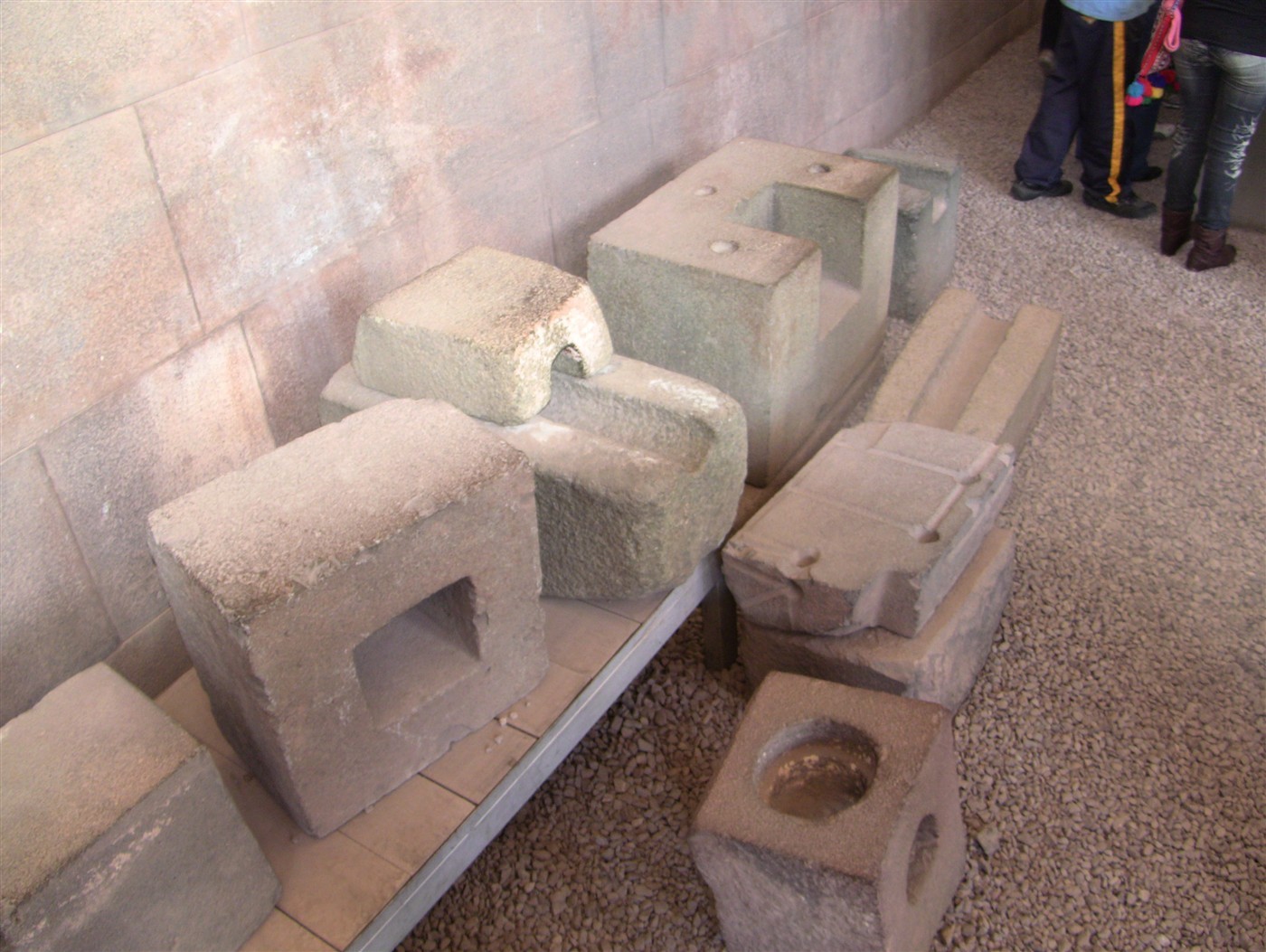
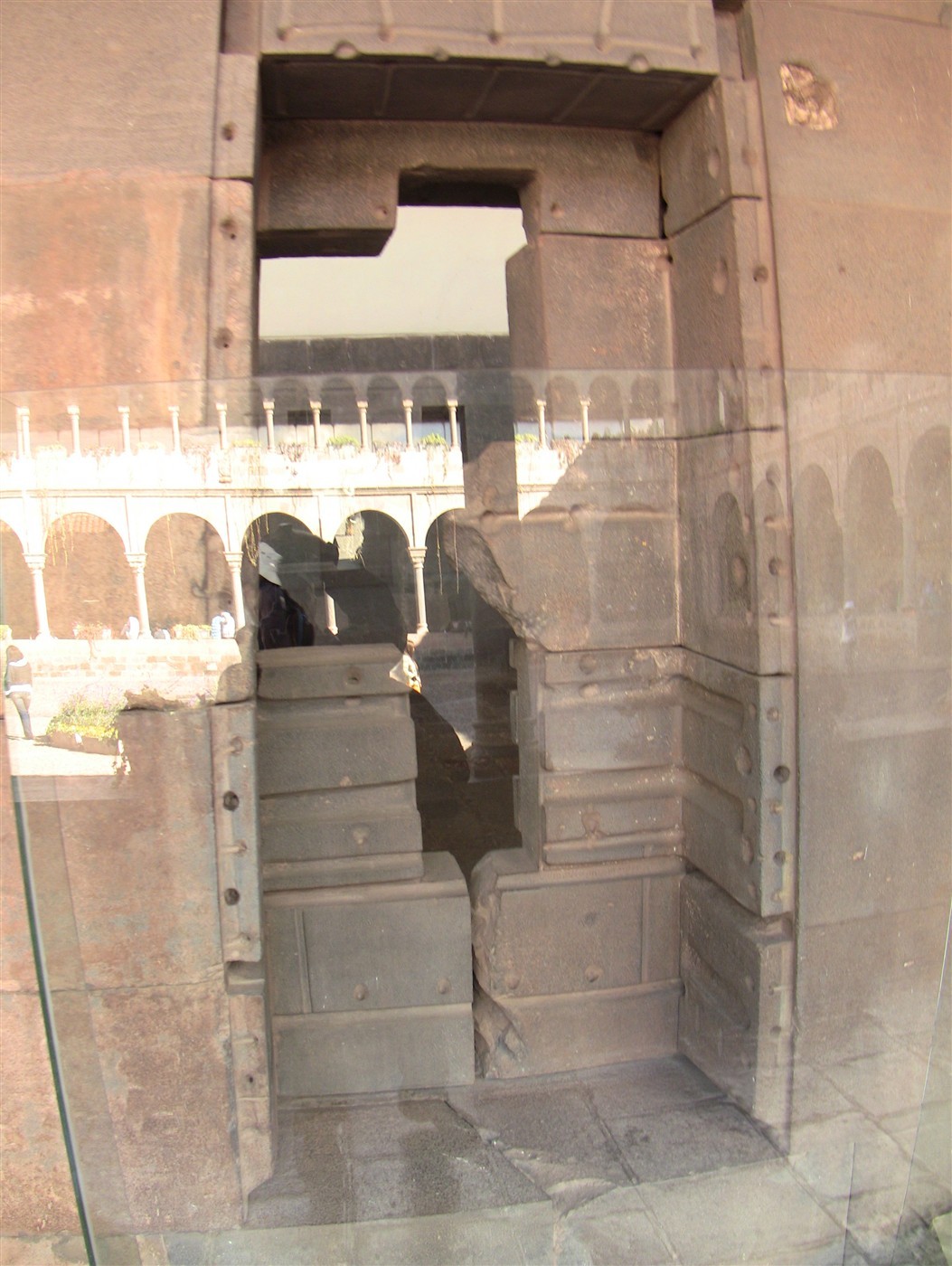
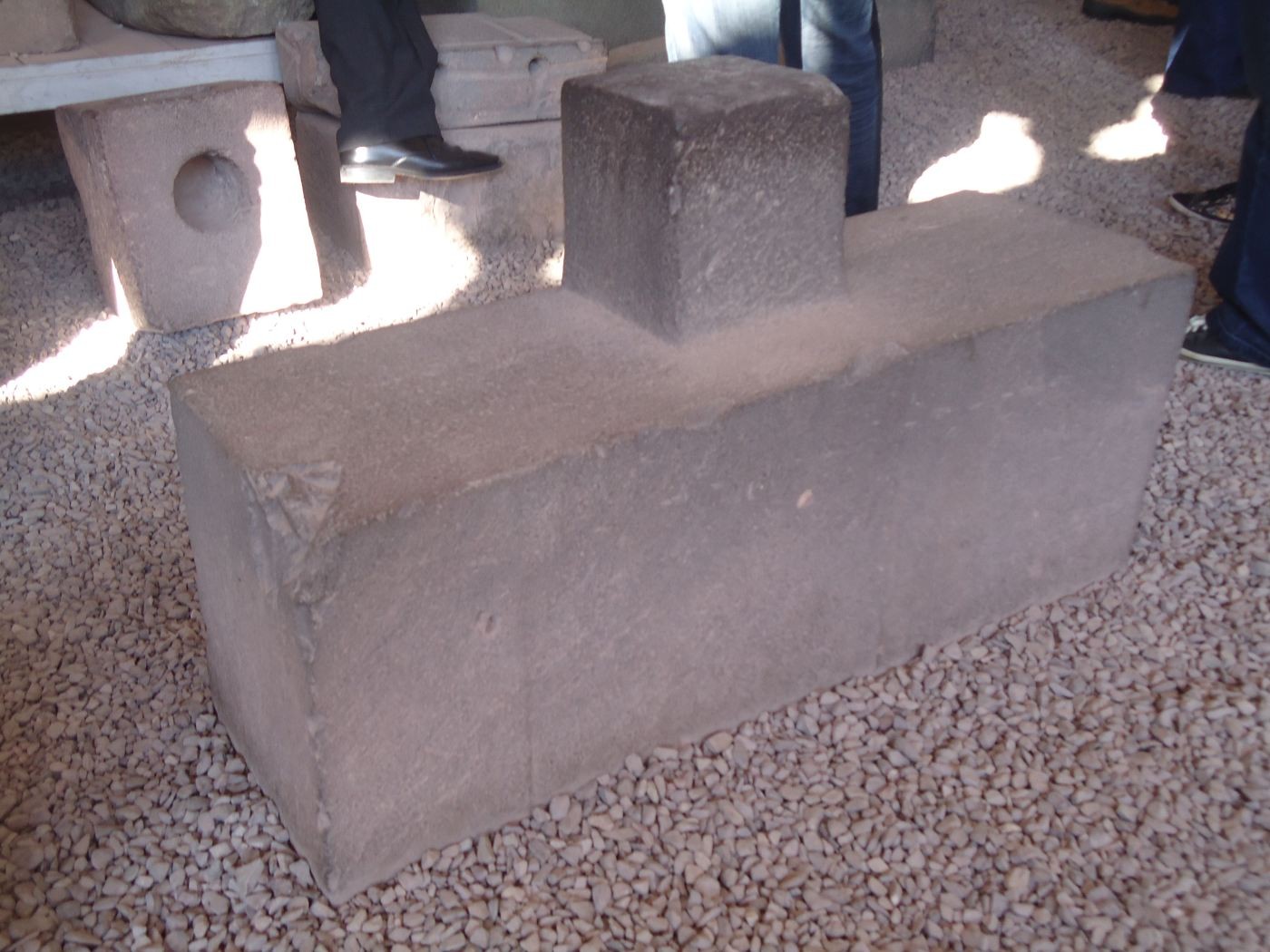
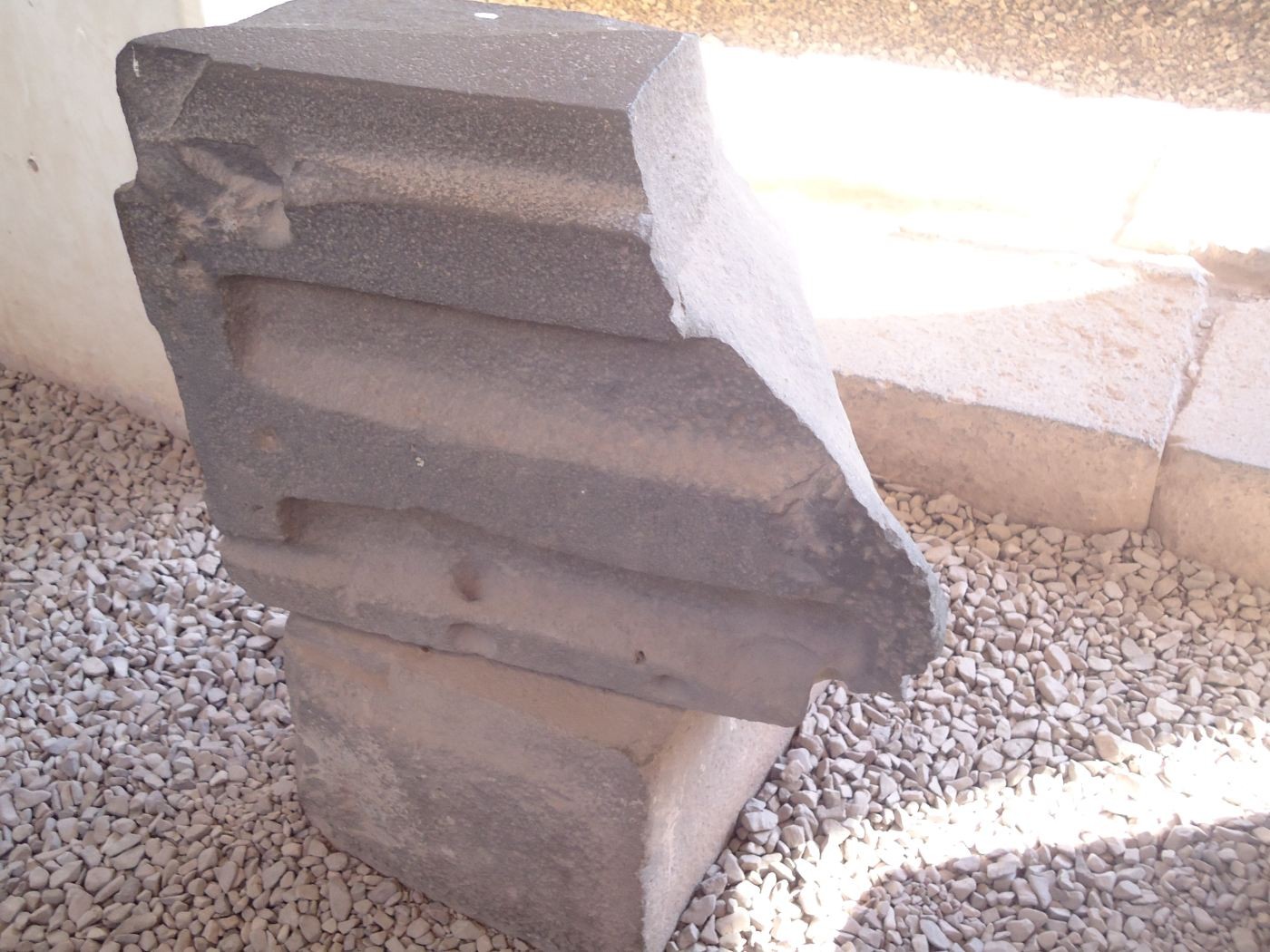
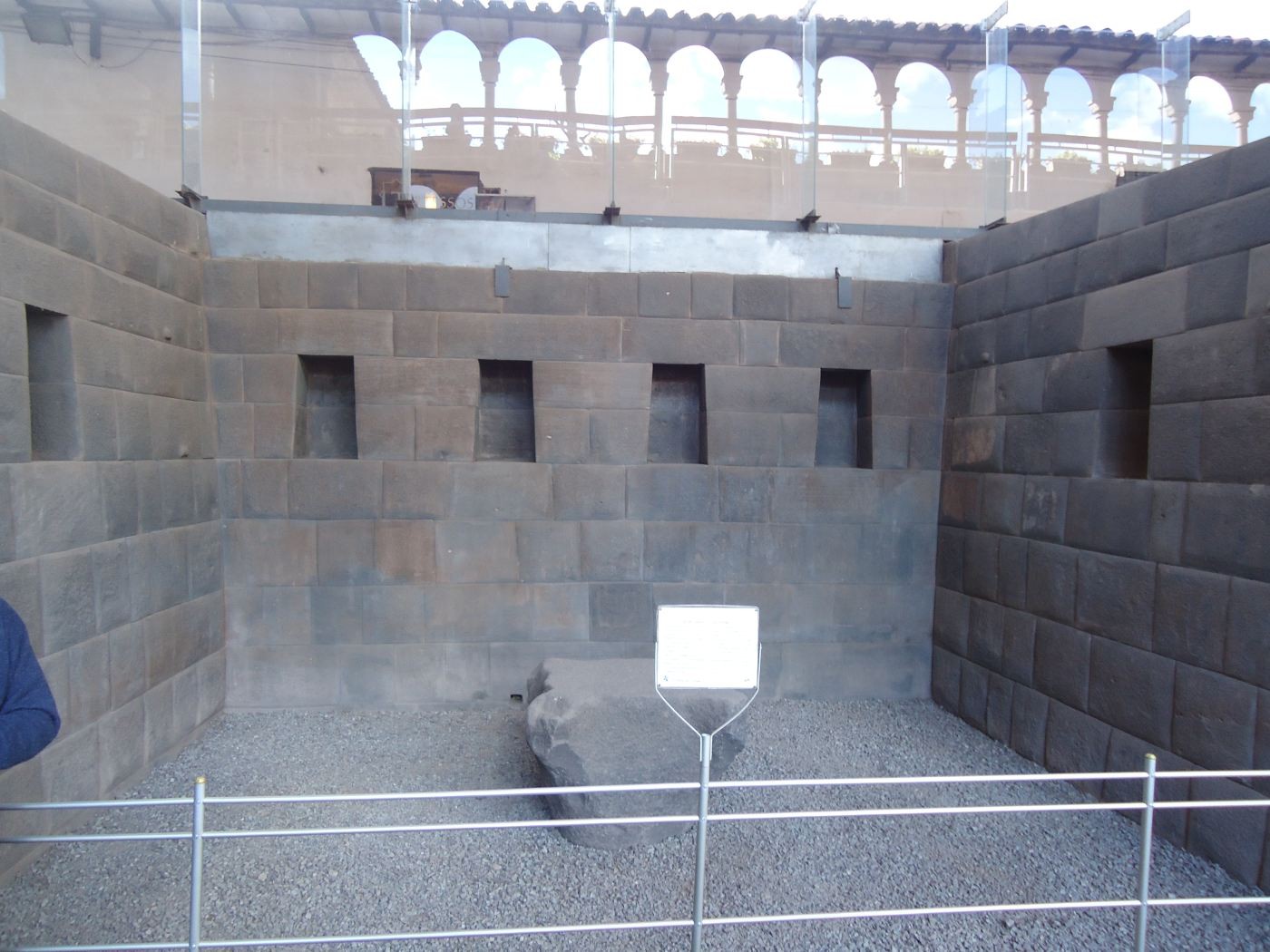
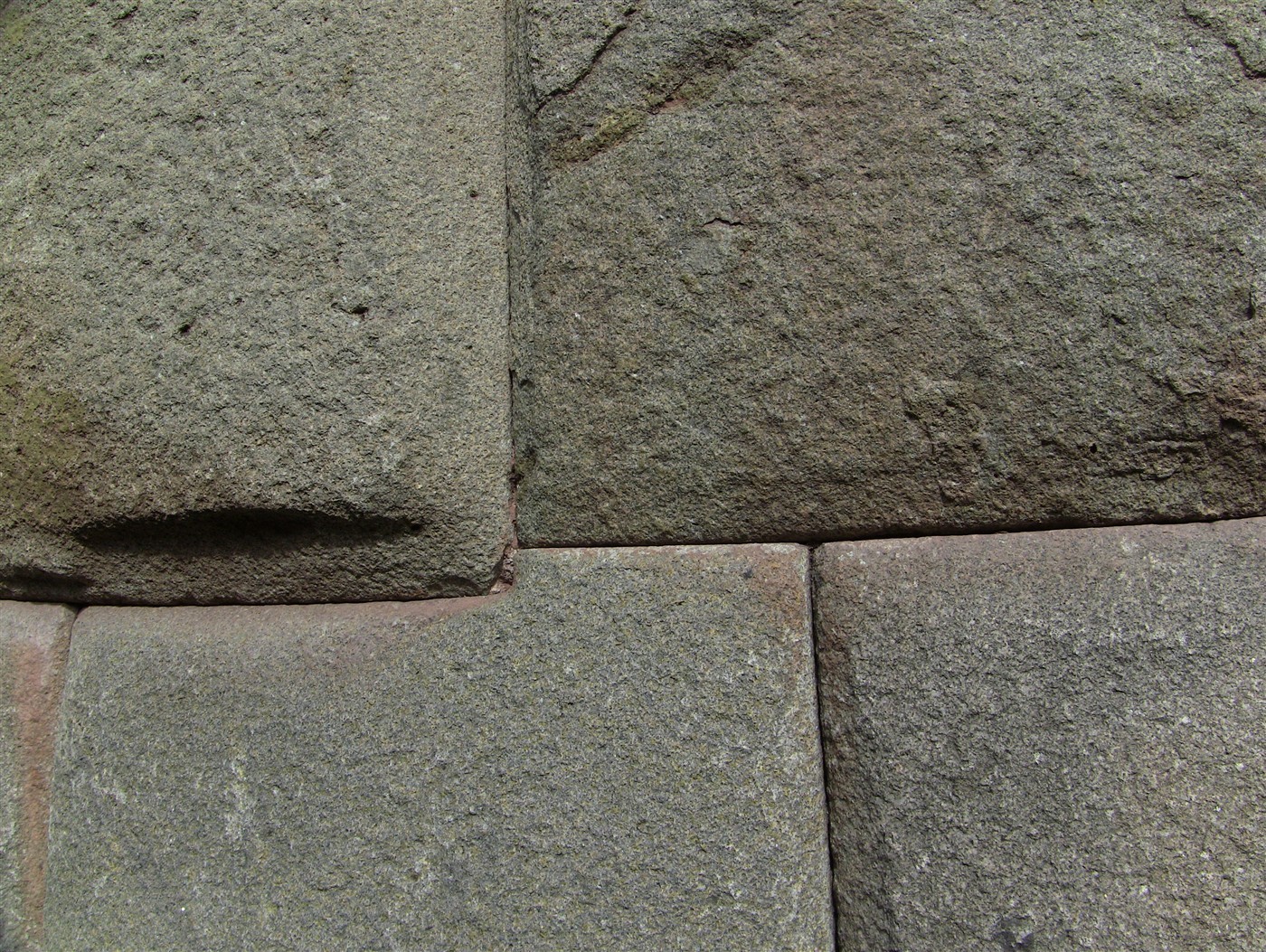
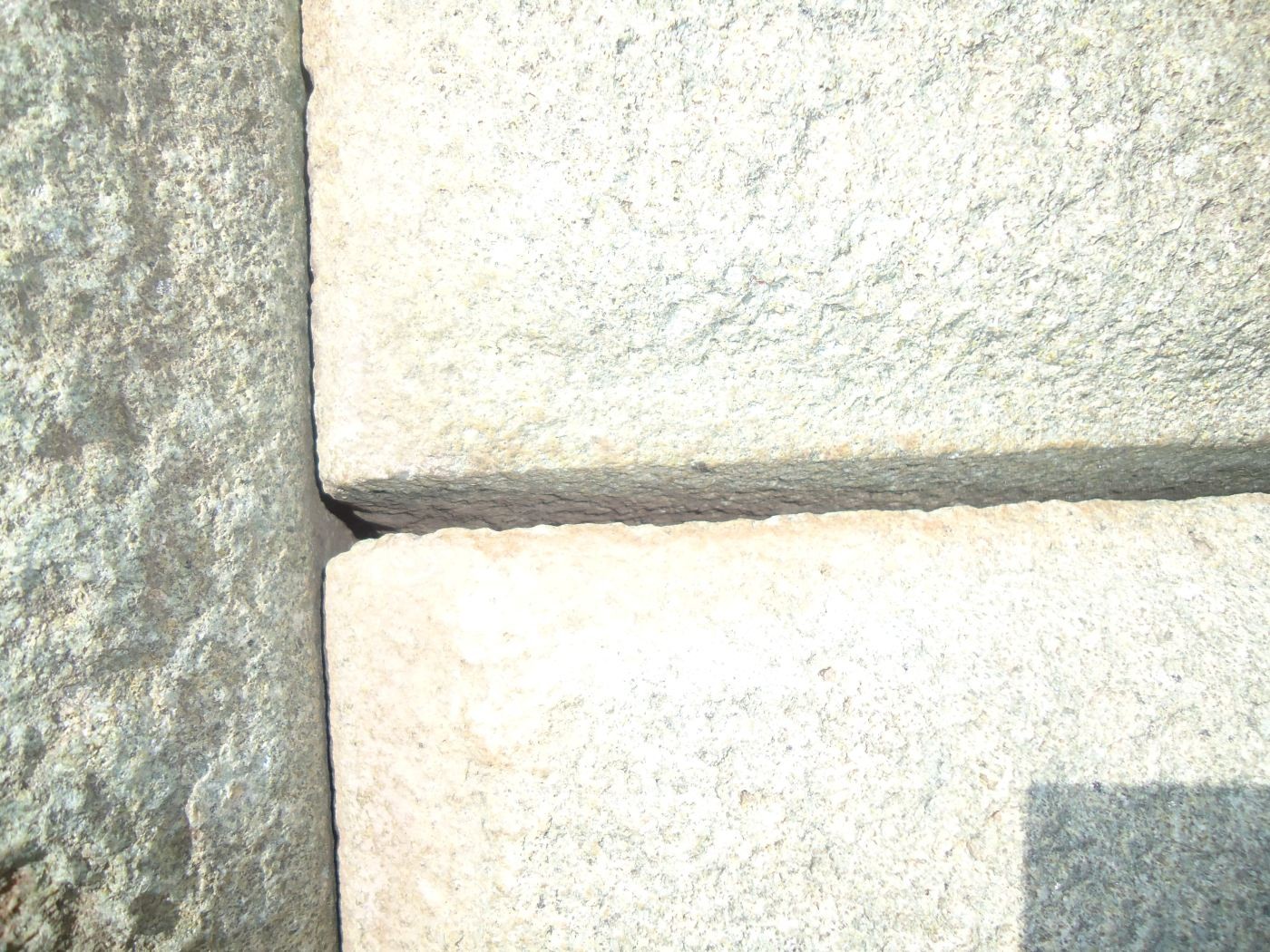
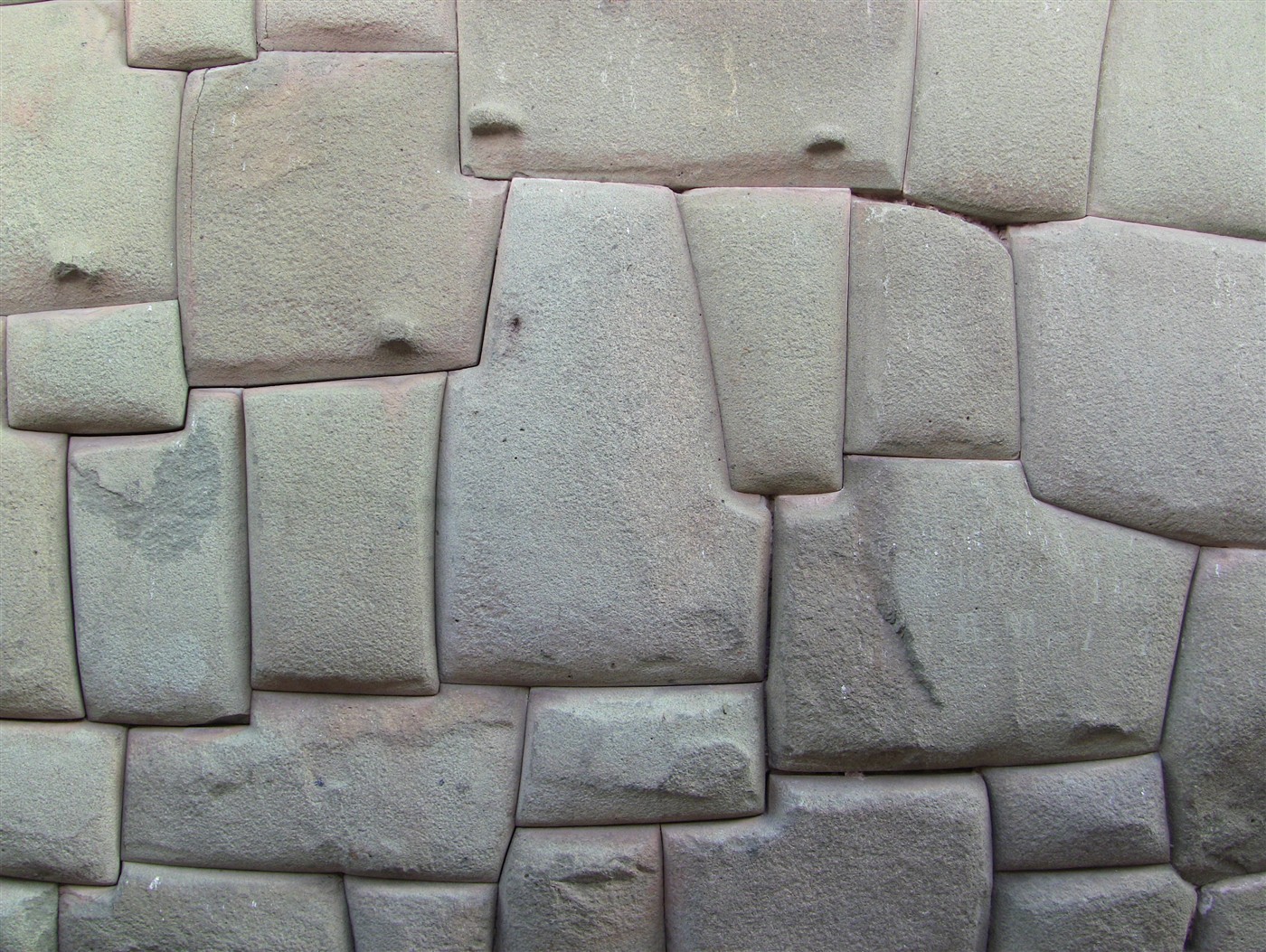
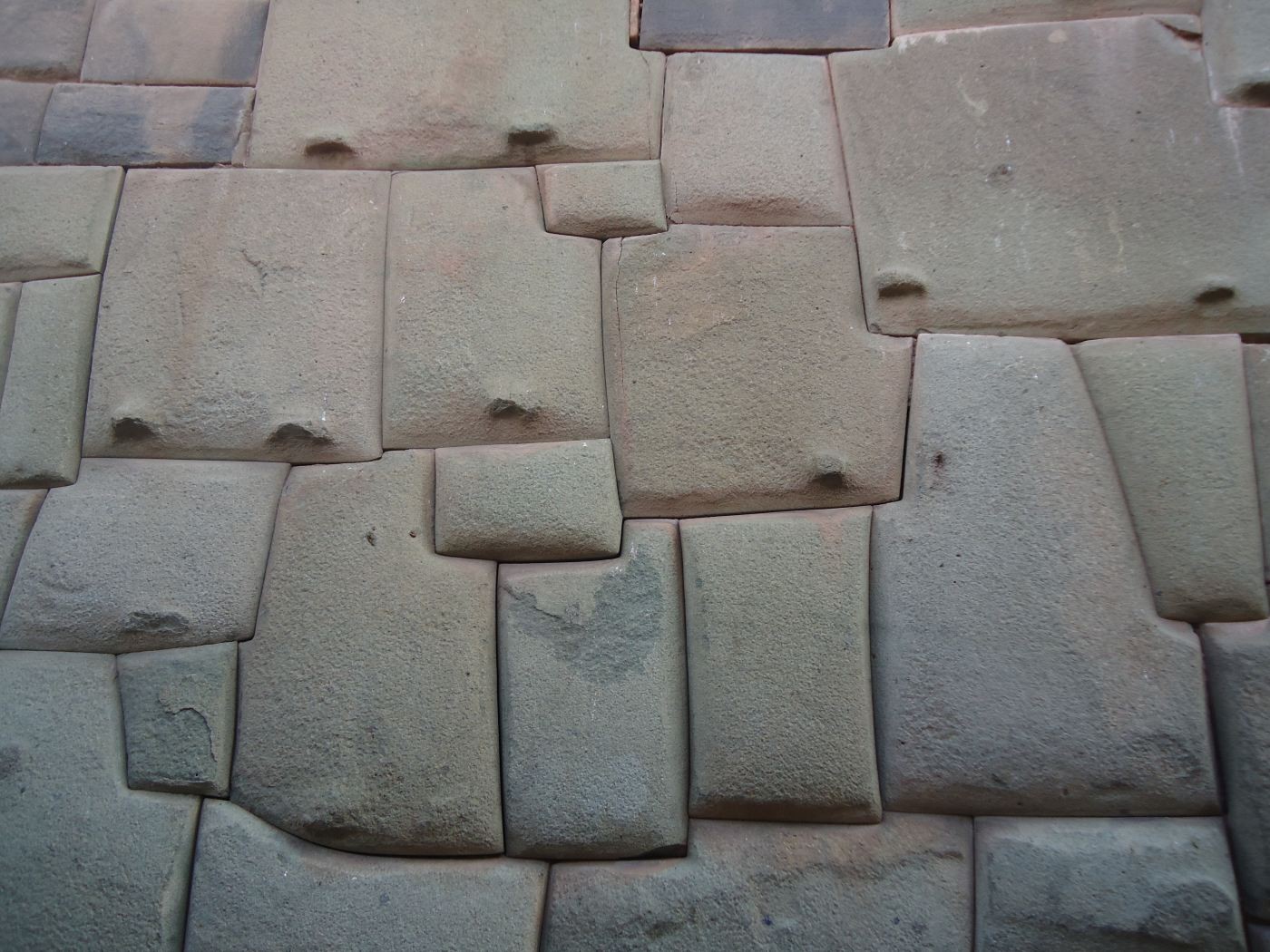
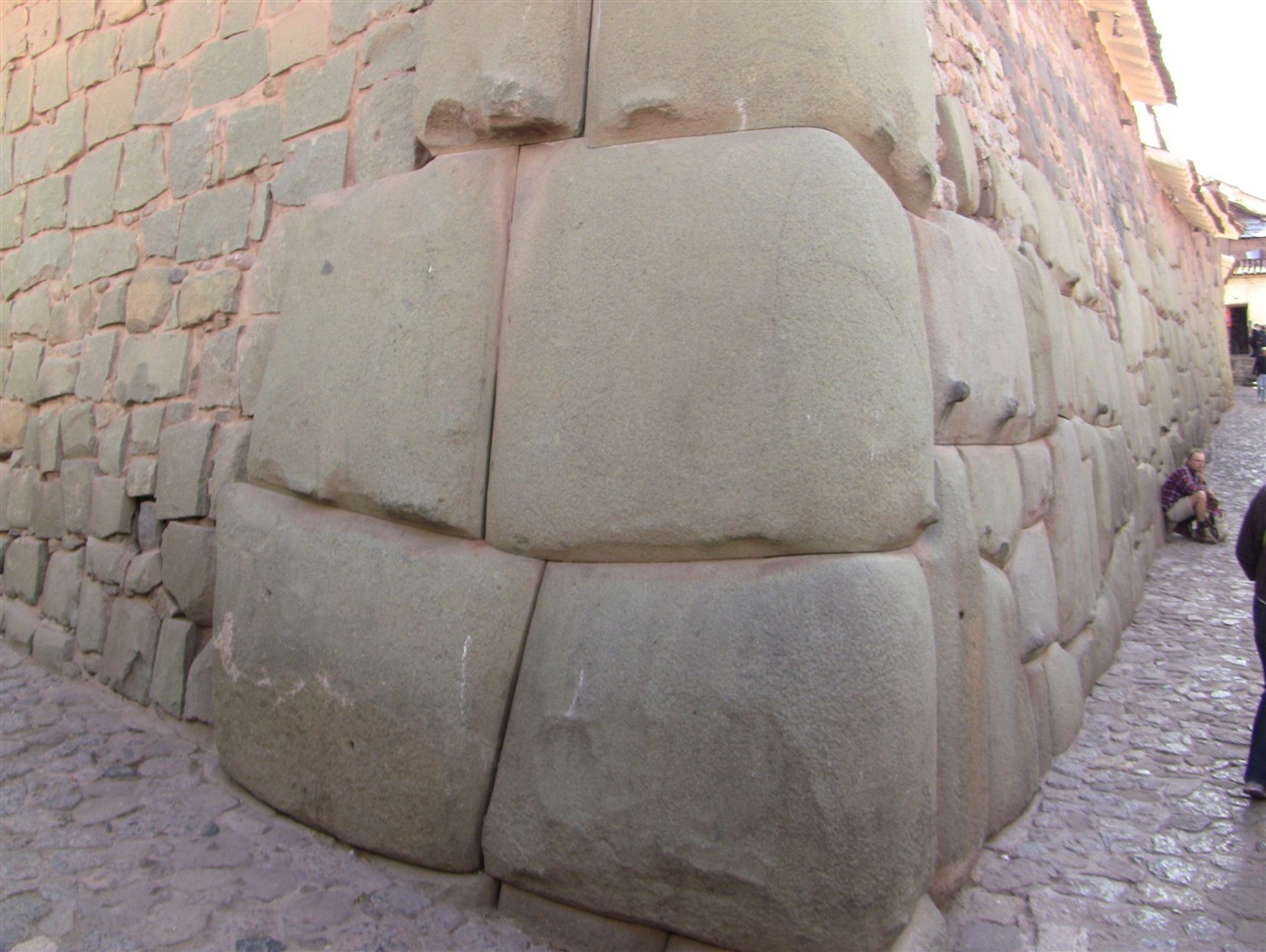
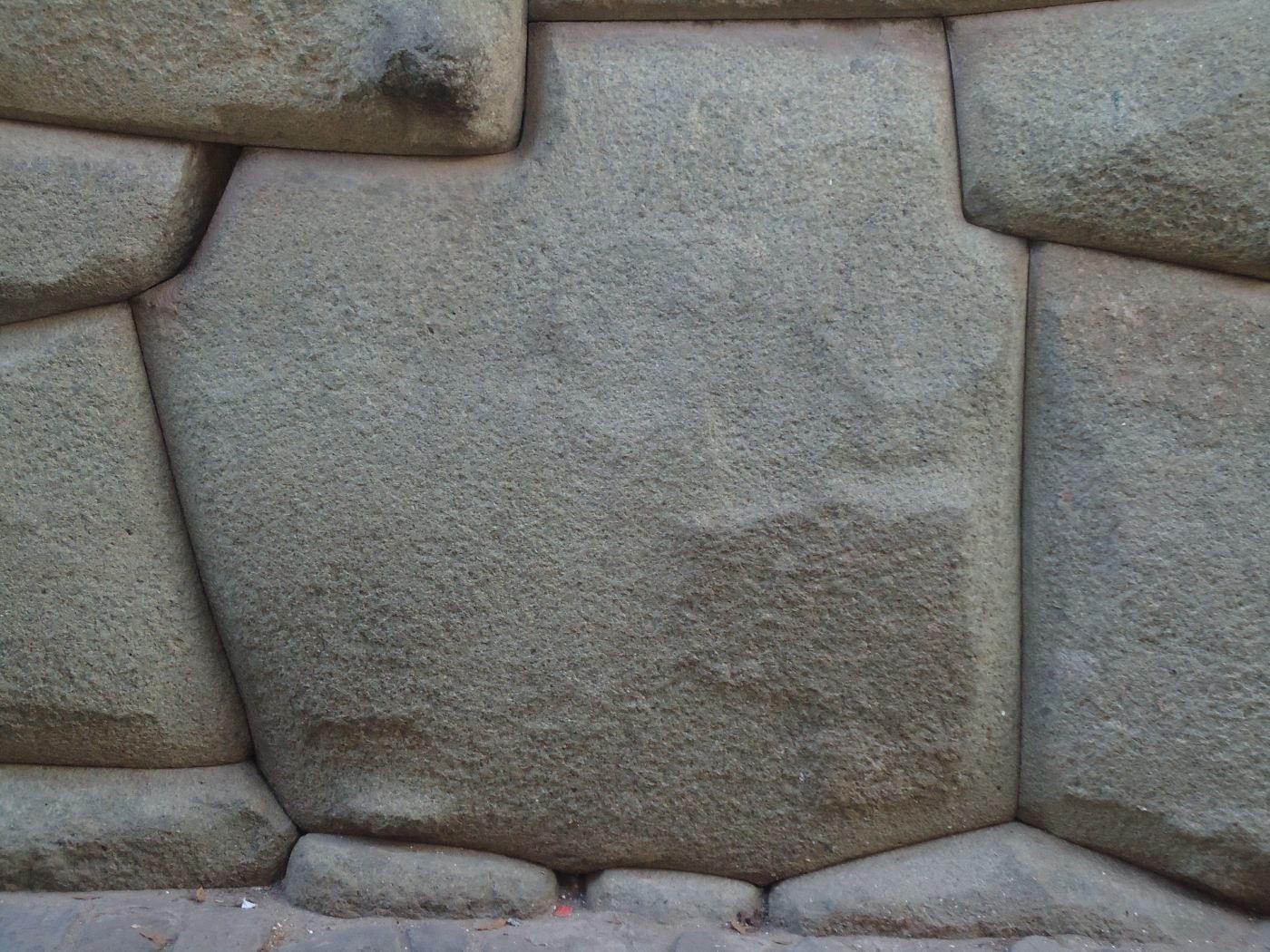
Qorikancha, Cusco, 18 August 2011, about 14:55 Peru time. T Qorikancha was the Incas' most important temple, the sanctuary of the sun god Inti. In 1533 the Spaniards stripped the gold plates from its walls and later built the Santo Domingo monastery on the Inca walls (Pedro Sancho 1534; Wikipedia: Coricancha). A displayed stone block with stepped, sharp inner corners along its edges. Photo: Jani Korpi. The photo has only been resized.Qorikancha, Cusco, 18 August 2011, about 14:55 Peru time. T Qorikancha was the Incas' most important temple, the sanctuary of the sun god Inti. In 1533 the Spaniards stripped the gold plates from its walls and later built the Santo Domingo monastery on the Inca walls (Pedro Sancho 1534; Wikipedia: Coricancha). Displayed stone blocks: rectangular recesses, sharp inner corners and round holes. Photo: Jani Korpi. The photo has only been resized.Qorikancha, Cusco, 18 August 2011, about 14:58 Peru time. T Qorikancha was the Incas' most important temple, the sanctuary of the sun god Inti. In 1533 the Spaniards stripped the gold plates from its walls and later built the Santo Domingo monastery on the Inca walls (Pedro Sancho 1534; Wikipedia: Coricancha). A double-jambed trapezoidal doorway of closely fitted blocks. Photo: Jani Korpi. The photo has only been resized.Qorikancha, Cusco, 18 August 2011, about 15:09 Peru time. T Qorikancha was the Incas' most important temple, the sanctuary of the sun god Inti. In 1533 the Spaniards stripped the gold plates from its walls and later built the Santo Domingo monastery on the Inca walls (Pedro Sancho 1534; Wikipedia: Coricancha). A stepped stone block. Photo: Jani Korpi. The photo has only been resized.Qorikancha, Cusco, 18 August 2011, about 15:10 Peru time. T Qorikancha was the Incas' most important temple, the sanctuary of the sun god Inti. In 1533 the Spaniards stripped the gold plates from its walls and later built the Santo Domingo monastery on the Inca walls (Pedro Sancho 1534; Wikipedia: Coricancha). A stone carved in steps. Photo: Jani Korpi. The photo has only been resized.Qorikancha, Cusco, 18 August 2011, about 15:16 Peru time. T Qorikancha was the Incas' most important temple, the sanctuary of the sun god Inti. In 1533 the Spaniards stripped the gold plates from its walls and later built the Santo Domingo monastery on the Inca walls (Pedro Sancho 1534; Wikipedia: Coricancha). Even walls and niches. Photo: Jani Korpi. The photo has only been resized.Hatun Rumiyoc, Cusco, 19 August 2011, about 14:20 Peru time. T Hatun Rumiyoc (“the place of the great stone”) is an Inca street whose wall tradition links to the palace of the ruler Inca Roca; the famous twelve-angled stone is in the same wall (Wikipedia: Twelve-angled stone). A local guide touches the polygonal wall. Photo: Jani Korpi. The photo has only been resized.Hatun Rumiyoc, Cusco, 19 August 2011, about 14:23 Peru time. T Hatun Rumiyoc (“the place of the great stone”) is an Inca street whose wall tradition links to the palace of the ruler Inca Roca; the famous twelve-angled stone is in the same wall (Wikipedia: Twelve-angled stone). Close-up of the joint between two blocks; the block faces are rounded towards the joint. Photo: Jani Korpi. The photo has only been resized.Hatun Rumiyoc, Cusco, 19 August 2011, about 14:25 Peru time. T Hatun Rumiyoc (“the place of the great stone”) is an Inca street whose wall tradition links to the palace of the ruler Inca Roca; the famous twelve-angled stone is in the same wall (Wikipedia: Twelve-angled stone). A guide in a white jacket stands in front of the polygonal wall. Photo: Jani Korpi. The photo has only been resized.Hatun Rumiyoc, Cusco, 19 August 2011, about 14:34 Peru time. T Hatun Rumiyoc (“the place of the great stone”) is an Inca street whose wall tradition links to the palace of the ruler Inca Roca; the famous twelve-angled stone is in the same wall (Wikipedia: Twelve-angled stone). A tight joint in close-up. Photo: Jani Korpi. The photo has only been resized.Hatun Rumiyoc, Cusco, 19 August 2011, about 14:36 Peru time. T Hatun Rumiyoc (“the place of the great stone”) is an Inca street whose wall tradition links to the palace of the ruler Inca Roca; the famous twelve-angled stone is in the same wall (Wikipedia: Twelve-angled stone). A wall built of polygonal blocks. Photo: Jani Korpi. The photo has only been resized.Hatun Rumiyoc, Cusco, 19 August 2011, about 14:37 Peru time. T Hatun Rumiyoc (“the place of the great stone”) is an Inca street whose wall tradition links to the palace of the ruler Inca Roca; the famous twelve-angled stone is in the same wall (Wikipedia: Twelve-angled stone). A polygonal wall; small blocks fill the angles between the large ones. Photo: Jani Korpi. The photo has only been resized.Hatun Rumiyoc, Cusco, 19 August 2011, about 14:39 Peru time. L Guides point out a puma and a serpent formed by the stones of this street's wall; there is no evidence that the builders intended them (The Only Peru Guide). T Hatun Rumiyoc (“the place of the great stone”) is an Inca street whose wall tradition links to the palace of the ruler Inca Roca; the famous twelve-angled stone is in the same wall (Wikipedia: Twelve-angled stone). A wall of polygonal blocks along the street. Photo: Jani Korpi. The photo has only been resized.Hatun Rumiyoc, Cusco, 19 August 2011, about 14:47 Peru time. T Hatun Rumiyoc (“the place of the great stone”) is an Inca street whose wall tradition links to the palace of the ruler Inca Roca; the famous twelve-angled stone is in the same wall (Wikipedia: Twelve-angled stone). A street corner: large, cushion-like rounded blocks. Photo: Jani Korpi. The photo has only been resized.Hatun Rumiyoc, Cusco, 19 August 2011, about 14:58 Peru time. T Hatun Rumiyoc (“the place of the great stone”) is an Inca street whose wall tradition links to the palace of the ruler Inca Roca; the famous twelve-angled stone is in the same wall (Wikipedia: Twelve-angled stone). A polygonal block. Photo: Jani Korpi. The photo has only been resized.Plaza de Armas, Cusco, 19 August 2011, about 15:28 Peru time. T The Plaza de Armas was the Incas' main square. The Compañía de Jesús church was built on the site of the Inca palace Amarucancha, over Inca foundations (Wikipedia: Iglesia de la Compañía de Jesús, Cusco). The Compañía de Jesús church on the edge of the square. Photo: Jani Korpi. The photo has only been resized.
T The historic centre of Cusco has been a UNESCO World Heritage Site since 1983. The Spanish built Baroque churches and palaces on the remains of the Inca city (UNESCO 273).